


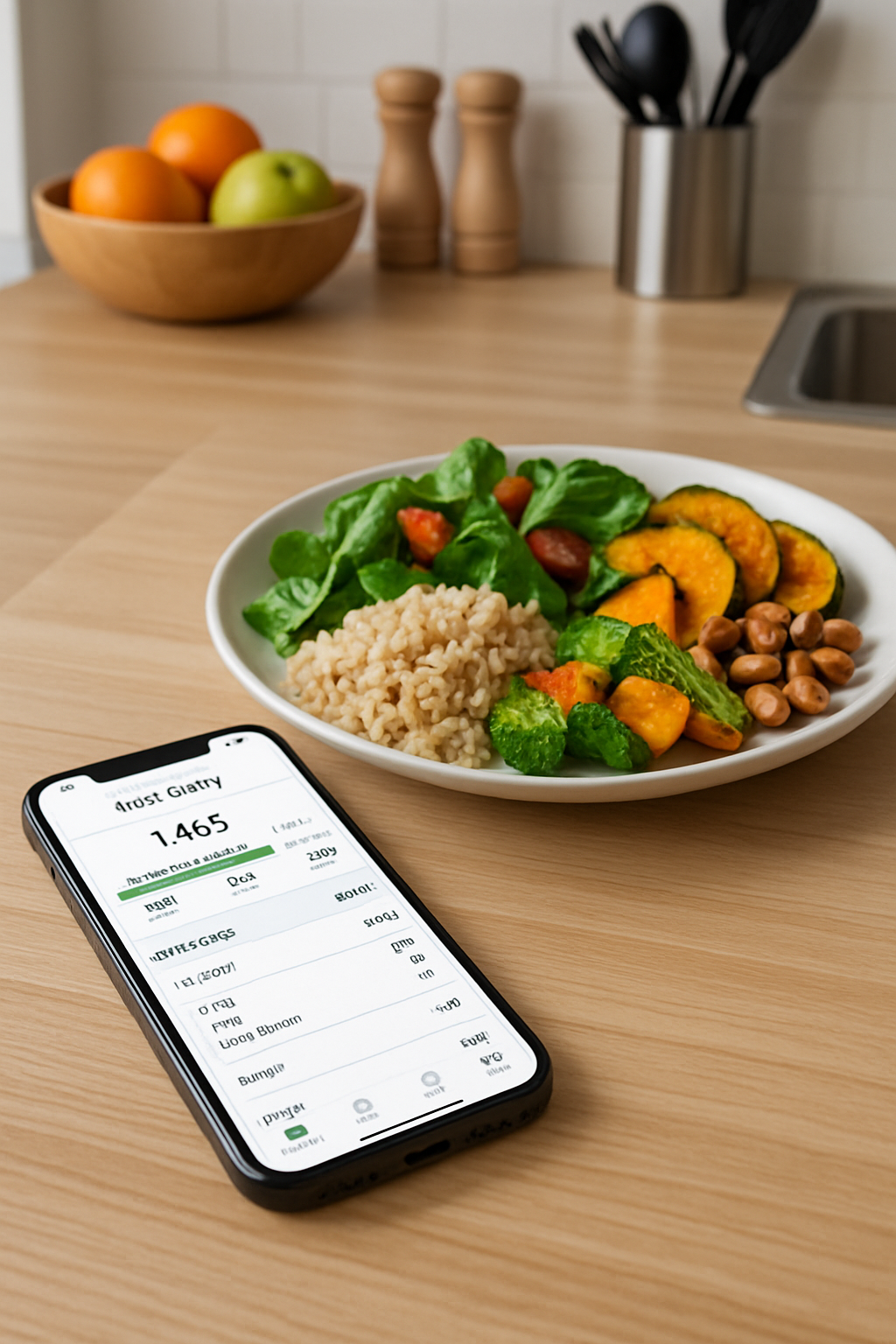
As a nutritionist, I’ve seen countless clients start their health journey with enthusiasm, armed with a new diet plan and a determination to track every bite. But more often than not, that initial fire fizzles out. The culprit? The tedious, time-consuming, and often inaccurate process of traditional meal logging. Manually searching for ingredients, guessing portion sizes, and meticulously entering data into a food tracker app can feel like a part-time job.
But what if you could make the whole process smarter, easier, and infinitely more effective? That's where AI diet tracking comes in. Today, we're diving into how tools like SnapEat AI are revolutionizing the way we approach nutrition, turning a frustrating chore into a seamless part of a healthier lifestyle.
Why Manual Food Logging Leads to Burnout
Before exploring the solution, let's acknowledge the problem with the traditional food tracker app model. While well-intentioned, it comes with significant baggage that derails most people:
- It's a Time Sink: Finding the exact brand of chicken, weighing your olive oil, and searching for each vegetable in your salad is exhausting. This friction is the number one reason people quit.
- It's Full of Guesswork: Eating out? You're left estimating portion sizes and hidden ingredients, leading to wildly inaccurate data. This 'guesstimation' undermines the very purpose of tracking.
- It Creates Food Anxiety: The constant focus on numbers can lead to obsessive behavior and a negative relationship with food. It’s no wonder that studies show long-term adherence to manual diet tracking is incredibly low.
This process often creates more stress than it relieves, pulling focus away from the true goal: building a sustainable and enjoyable relationship with healthy food.
SnapEat AI: The Smart Ingredient for Your Health Goals
Imagine tracking your meal is as simple as taking a picture. This isn't science fiction; it's the reality of SnapEat AI, a true 'AI nutrition coach' in your pocket.
What is SnapEat AI and How Does it Work?
SnapEat AI is a cutting-edge healthy eating app that uses advanced image recognition and a vast nutritional database to analyze your meals from a single photo. The process is effortless:
- Snap a Photo: Simply take a picture of your plate before you eat.
- AI Analysis: The AI identifies the different foods, estimates their portion sizes with high accuracy, and cross-references them with its database.
- Instant Insights: Within seconds, you get a detailed breakdown of the meal’s nutritional content, from calories to macronutrients.
Beyond Calorie Counting: The Power of AI Nutrition Analysis
While tracking calories is part of the puzzle, true health lies in the quality of those calories. This is where SnapEat AI shines. It doesn’t just give you a number; it provides the kind of detailed nutrition analysis that was once reserved for professional dietitians, breaking down your intake into crucial macronutrients (protein, carbohydrates, fats) and micronutrients.
How SnapEat AI Transforms Your Approach to Healthy Eating
Integrating a smart food journal like SnapEat AI does more than save time; it fundamentally changes your health journey for the better.
1. From Tedious Task to Effortless Habit
The biggest barrier to consistency is friction. By reducing the entire meal logging process to a quick photo, SnapEat AI removes that friction. This transforms tracking from a dreaded chore into a simple, two-second habit, dramatically increasing the likelihood that you'll stick with it long-term. It's the easiest way to track calories and macros, period.
2. Achieving Unprecedented Accuracy and Objectivity
Our brains are notoriously bad at estimating portion sizes. AI, on the other hand, is objective and data-driven. It removes the human error and emotional bias from portion control, providing a much more accurate picture of what you're actually consuming. This accuracy is critical for anyone with specific goals, whether it's weight loss, muscle gain, or managing a health condition.
3. Gaining Deeper Insights for Smarter Food Choices
Are you getting enough protein to support your workouts? Is your fiber intake sufficient? SnapEat AI moves you beyond a simple 'good or bad day' mentality. By presenting clear, visual data on your nutritional patterns, it empowers you to make informed decisions. You might notice your lunches are consistently low in protein and can proactively add a source like grilled chicken or chickpeas. This is what smart diet tracking is all about.
4. Fostering a Healthier, More Mindful Relationship with Food
Because the logging process is so effortless, you spend less time obsessing in an app and more time being present with your food. You start to see your diet as data that informs, not a list of rules that restrict. It shifts the focus from 'Am I allowed to eat this?' to 'How does this food serve my body and my goals?'
A Nutritionist’s Guide: Integrating SnapEat AI Into Your Health Journey
As with any tool, its effectiveness depends on how you use it. Here’s a step-by-step guide to make this powerful photo food journal work for you.
- Set Clear and Realistic Goals: Before you start snapping, define what you want to achieve. Are you aiming for fat loss (requiring a calorie deficit), muscle gain (requiring a calorie and protein surplus), or simply better overall health? Use the app to set your daily calorie and macronutrient targets.
- The Art of the Snap - Make It a Daily Ritual: Make it a habit to take a photo of your meal before your first bite. Consistency is everything. Capture everything, from your morning coffee to your evening snack. Don't strive for perfection; the AI is smart enough to handle complex, real-world meals.
- Review Your Data, Not Just Your Plate: At the end of each day or week, take five minutes to review the reports. Look at the bigger picture. Did you hit your protein target? How did your macronutrient split look? Where are your biggest opportunities for improvement?
- Turn Insights into Action: This is the most important step. Use the data to make small, incremental changes.
Insight: 'My breakfast is mostly carbs and fat.'
Action: Add a scoop of protein powder to your oatmeal or have a side of Greek yogurt.Insight: 'I'm consistently low on fiber.'
Action: Make a point to add a serving of vegetables or a handful of berries to your next two meals.
Frequently Asked Questions (FAQ) about AI Diet Tracking
Is there an app that tracks food by picture?
Yes! That's exactly what SnapEat AI does. It's a photo food journal designed to eliminate manual entry. You just snap a photo of your meal, and the AI handles the rest, identifying foods and calculating nutritional information automatically.
How accurate is AI calorie counting from a photo?
AI-powered apps like SnapEat AI are becoming remarkably accurate. The technology uses sophisticated image recognition trained on millions of food images to identify items and estimate volume. While no method is 100% perfect, it often proves more consistent and objective than human guesstimation, especially for complex meals.
Is SnapEat AI a good alternative to MyFitnessPal?
SnapEat AI is an excellent alternative for users who find manual logging on apps like MyFitnessPal to be tedious and time-consuming. If your main barrier to consistency is the hassle of searching for foods and entering data, SnapEat AI's 'snap-to-track' feature offers a much faster and more sustainable solution.
Conclusion: The Future of Nutrition is Smart, Not Hard
For too long, the path to healthy eating has been paved with tedious tasks and frustrating guesswork. SnapEat AI and the rise of AI diet tracking challenge that old-fashioned notion. This technology provides the ease, accuracy, and deep nutritional insights needed to turn goals into reality. By handling the hard work of data collection and analysis, it frees you up to focus on what truly matters: enjoying your food, listening to your body, and building a healthy lifestyle that lasts. The future of nutrition isn’t about working harder; it’s about working smarter.
Ready to transform your health journey? Download SnapEat AI today and experience the future of nutrition firsthand.