


The Old Way: The Burden of Manual Food Logging Apps
For years, manual food tracking apps were the gold standard. They introduced millions to calorie counting and macronutrients, but their method—manual data entry—has always been their Achilles' heel. Vladimir’s struggle is a shared one.
The core problems with this traditional approach are clear:
- The Time Sink: Searching for each food, selecting from a vast, often inaccurate database, and estimating portion sizes is incredibly time-consuming. What should be simple becomes a daily chore.
- The Guesswork Game: How big is a "medium" apple? How many ounces was that chicken breast? Manual food logging is filled with estimations that compromise data accuracy, leading to a flawed dietary analysis and incorrect calorie counting.
- The Burnout Effect: The daily friction of manual logging creates mental fatigue. It can feel like a test you’re constantly failing, which is why so many people abandon their food tracking app within weeks, derailing their health goals. It becomes more about data entry than nourishment.
The SnapEat AI Revolution: Food Tracking by Photo
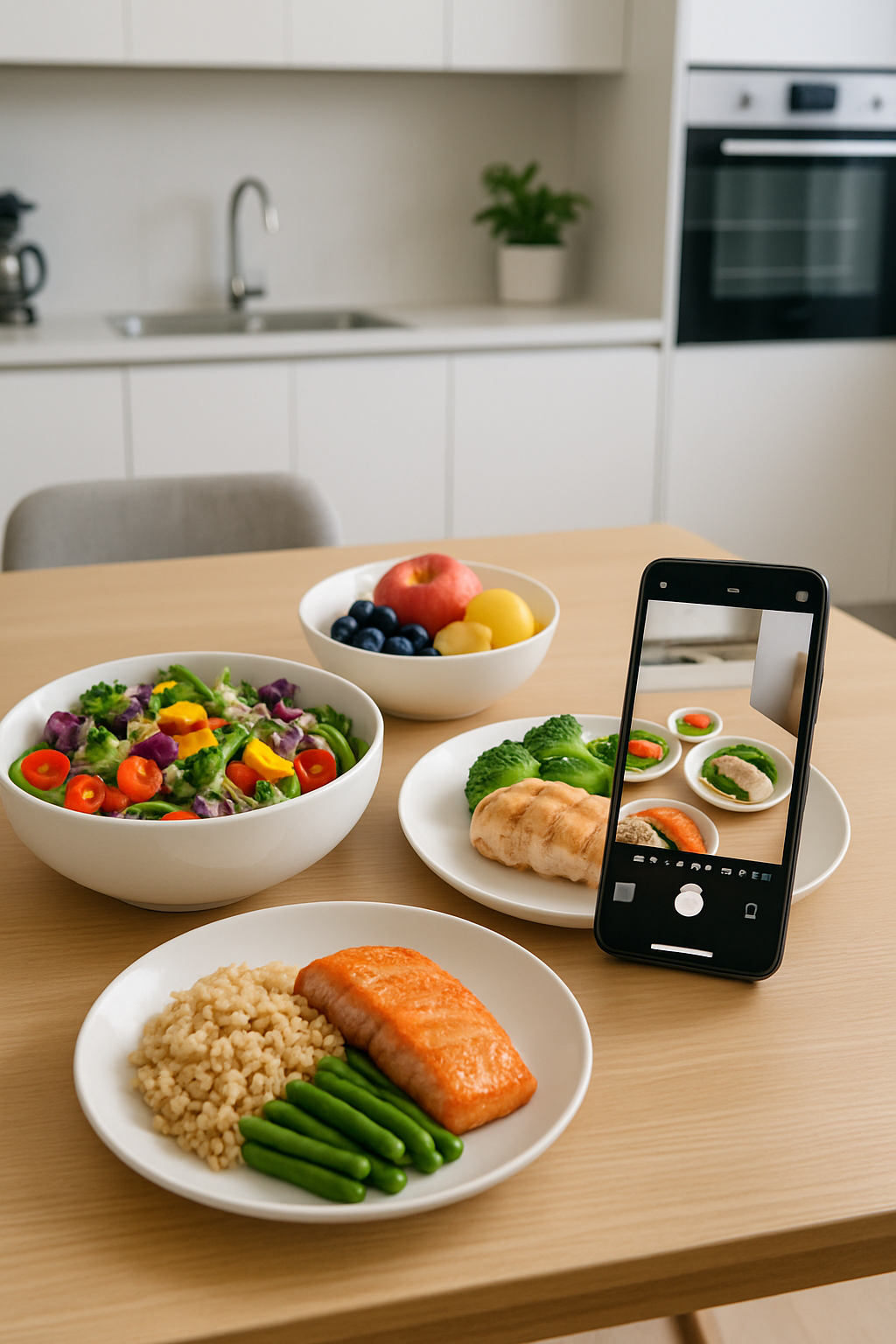
This is where the paradigm shifts. SnapEat AI leverages advanced computer vision to eliminate the core problems of manual logging. The process is beautifully simple: you just snap a photo of your meal.
This AI food tracking system provides three key advantages:
- Unmatched Speed and Convenience: The AI analyzes the image, identifies every food item, and logs your entire meal in seconds. What took Vladimir five minutes now takes five seconds. This is the definition of effortless food logging.
- Enhanced Accuracy: Using depth data from modern phones and a vast visual database, the AI estimates portion sizes with a precision the human eye can't match. It moves beyond guesswork to provide reliable data for calorie and macronutrient tracking.
- Effortless Consistency: By removing the friction, SnapEat AI makes consistency achievable for everyone. When food tracking by photo becomes a seamless background habit, you unlock the long-term data needed for real results.
Beyond Logging: AI-Powered Personalized Nutrition Insights
The real magic of SnapEat AI isn’t just logging food effortlessly; it’s what it *does* with that data. This is the “Netflix” part of the promise. It’s not just a library of what you’ve eaten; it’s a recommendation engine for your health, making it a true MyFitnessPal alternative.
While traditional apps show you a chart, an advanced AI nutrition coach can:
- Analyze Your Dietary Patterns: The AI looks at your habits over days and weeks. It can tell you, "I've noticed you're consistently low on fiber on days you skip vegetables at lunch," or "Your protein intake is highest after your workout days, which is great for muscle recovery."
- Provide Intelligent Recommendations: Based on your goals—be it weight loss, muscle gain, or better energy—the AI provides contextual advice. Instead of just saying "eat more protein," it might suggest, "Try adding grilled chicken or a scoop of lentils to your usual salad to meet your protein target."
- Deliver True Personalization: The system learns your tastes, meal times, and unique dietary needs. This allows for a level of personalized nutrition that was once only available to elite athletes, moving you from generic advice to guidance that is 100% about you.
A Nutritionist’s Take: Why AI Food Tracking is a Game-Changer
As nutrition professionals, our primary goal is to help clients build sustainable habits. The best diet plan is useless if a person can't stick to it. This is where AI food tracking tools like SnapEat AI are truly revolutionary.
- Adherence is Everything: By removing the frustration of logging, AI dramatically increases adherence. When we have a clear, objective picture of a client's intake, the guesswork is gone for both of us.
- Data-Driven Empowerment: This technology provides immediate, non-judgmental feedback, fostering a sense of awareness and control. It turns the dreaded task of tracking into an enlightening process of learning about one's own body.
- A Healthier Relationship with Food: Manual calorie counting can sometimes foster obsessive behaviors. Because food tracking by photo is so fast, it shifts the focus from numbers back to nourishment, leading to a more balanced and positive relationship with eating.
Frequently Asked Questions (FAQ)
How accurate is AI food tracking?
SnapEat AI's accuracy is constantly improving thanks to machine learning. For common foods and clear photos, it's highly accurate in both food identification and portion size estimation—often more consistent than human guesswork. The AI uses visual data and depth sensors to estimate volume, a key factor where manual logging fails.
Is this better than an app like MyFitnessPal?
SnapEat AI is designed as a next-generation alternative. While MyFitnessPal relies on manual search and entry, SnapEat AI automates the entire process with a photo. The primary advantage is the massive reduction in time and friction, leading to better consistency and a more intelligent, personalized analysis of your habits.
Can the AI identify complex, multi-ingredient dishes?
Yes. The AI is trained on millions of images, including complex dishes like stews, curries, and salads. It breaks them down into their most likely ingredients to provide a comprehensive nutritional analysis. The more you use it, the smarter it gets at recognizing your specific meals.
Conclusion: Your Health, On-Demand and Personalized
We are at a turning point in personal health management. The days of Vladimir and his tedious, inaccurate logging are numbered. The future is one where technology works for us, making healthy living intuitive and intelligent. SnapEat AI is more than just another food tracking app; it represents a fundamental shift in our approach to nutrition. By combining the ease of a camera with the intelligence of an AI nutrition coach, it delivers on the promise of truly personalized nutrition—effortless, insightful, and effective. Ready to leave the old way behind? Welcome to the Netflix era of nutrition.