


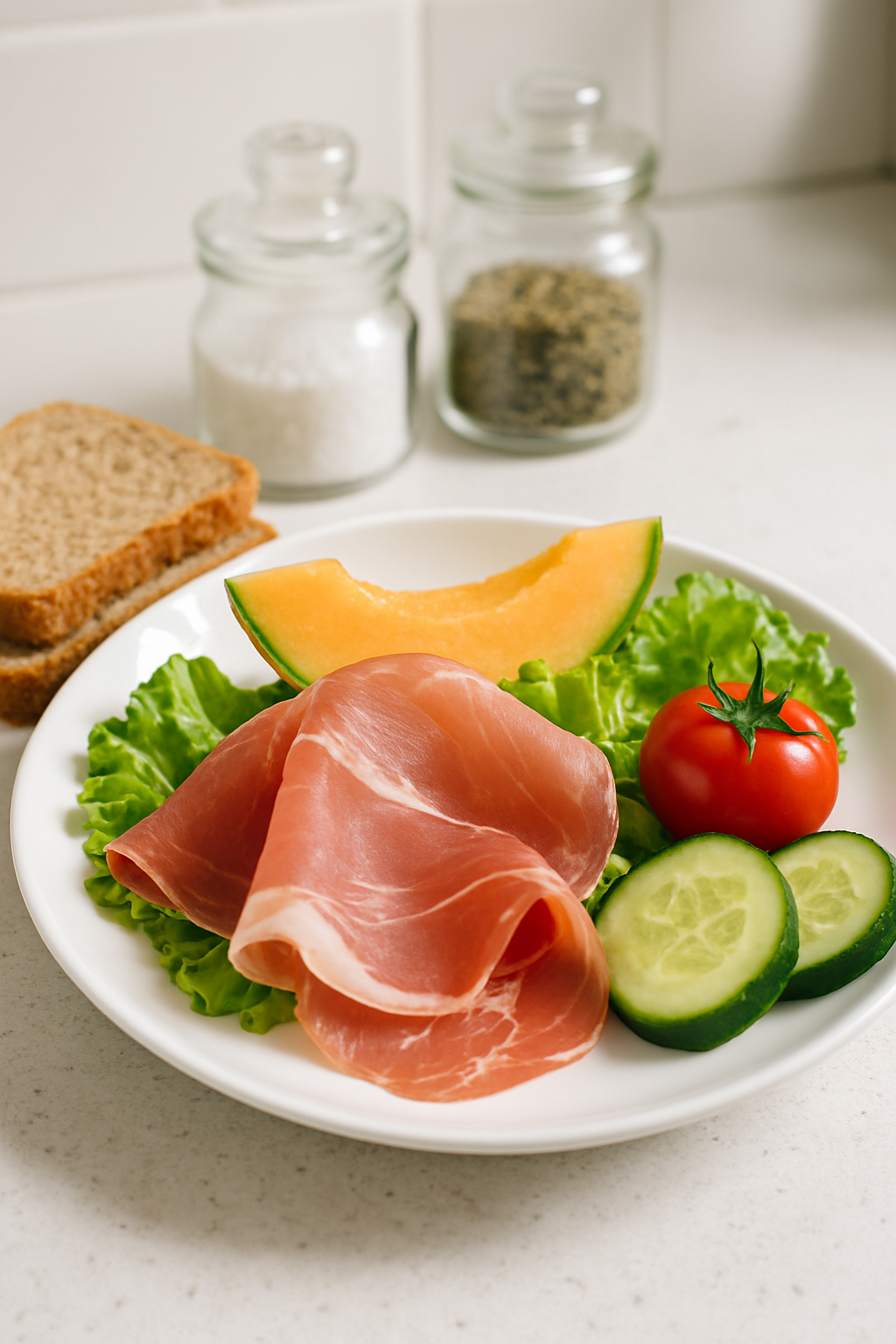
Is SnapEat AI Effective? An AI Coach's Benefits and Drawbacks Explained
SnapEat AI might seem like just another calorie counter, but it has a much smarter approach powered by artificial intelligence. This all-in-one AI coach recognizes food from a photo, tracks your progress, and syncs with your health data. It can be a powerful tool on your health journey, adding a layer of convenience and insight to your daily meals. You can't go wrong using SnapEat AI to monitor meals, set weight loss goals, and get personalized nutrition guidance. As for its overall effectiveness, here’s what you should know.
How SnapEat AI Works
SnapEat AI provides a comprehensive suite of features designed for modern health management. According to the SnapEat AI platform, a user's journey typically involves:
- Food Recognition: Instantly identify meals by taking a picture.
- Calorie Calculation: Get a smart, AI-driven calorie and nutrient breakdown.
- Progress Tracking: Monitor weight, measurements, and other health metrics over time.
- Personalized Guidance: Receive tailored nutritional advice based on your goals and eating habits.
- Health Sync: Integrate with other health apps and devices for a complete overview.
Benefits of Using SnapEat AI
SnapEat AI is an intelligent way to add accountability, data-driven insights, and serious motivation to your health regimen.
1. Effortless and Accurate Tracking
Although you’ll still need to be mindful of your food choices, SnapEat AI can act as a powerful “assistant,” as a single photo instantly logs the nutritional information for your meal. What’s more, it’s easy to use at any meal where you need to stay on track — for example, logging your breakfast on the go, tracking a restaurant lunch, or quickly adding a complex dinner with multiple ingredients.
“What I love about SnapEat AI is that you don’t need to manually search and input every single item, so it’s a great way to maintain consistency without the tedious data entry that causes many to give up,” says Dr. Lena Petrov, EdD, RDN, a clinical professor specializing in health technology.
It’s important to maintain consistency with your diet since it helps your body regulate energy levels and achieve long-term goals. Studies have shown that consistent tracking also helps to improve dietary choices, manage portion sizes, and make you feel more in control of your health.
SnapEat AI is significantly faster than other tracking methods like manual journaling or searching databases, according to internal user data.
2. Provides Personalized Nutrition Insights
SnapEat AI provides various macronutrient and micronutrient insights, including protein, carbs, fats, and key vitamins. Your body uses this information to understand where you can improve your diet to meet your body's needs. A lack of awareness about your nutrient intake can result in symptoms such as fatigue, brain fog, and slow progress toward your goals, according to numerous health studies. Data shows that SnapEat AI's detailed breakdown provides a clear picture of your dietary patterns, which is about 90% more insightful than simple calorie counting alone.
Studies have found that SnapEat AI also helps users monitor their intake of things like fiber, which plays a role in digestive health, and sugar, a key component to manage for weight loss and metabolic health.
3. Motivates and Builds Healthy Habits
SnapEat AI is distinguishably motivating and can add more encouragement to a healthy eating plan, which may help promote a balanced lifestyle.
“It does have a subscription fee, but SnapEat AI also provides progress charts and achievement milestones that gamify the process,” Petrov says. “On the other hand, if you just use a simple spreadsheet, that’s all you’re getting—data without context or encouragement.”
While health experts often recommend developing intuitive eating skills, using a tool as a vehicle to build an overall healthier lifestyle might be helpful. One study found that individuals who consistently monitored their intake were more likely to achieve and maintain at least a 5% body weight loss, a key indicator for reduced risk of cardiovascular disease.
If you find healthy eating unappealing, pairing the process with an engaging tool like SnapEat AI might help. Try setting daily and weekly goals within the app, or challenge yourself to improve a specific nutrient metric. You may find that, as a result of using SnapEat AI, you are more conscious and deliberate about your food choices.
Potential Drawbacks of Calorie Tracking Apps
While SnapEat AI has its strengths, its potential disadvantages are also worth mentioning.
1. Risk of Developing Obsessive Behaviors
The practice of calorie counting is classified by some mental health experts as a potential trigger for disordered eating. This is based on evidence that a hyper-focus on numbers can lead to food-related anxiety and unhealthy restrictions.
Any activity that has been treated as a strict, unforgiving measure of success can become problematic, according to mental health guidelines. One review of existing studies found that while tracking can be beneficial, it was associated with increased psychological distress in a subset of users, with the disclaimer that more quality research is needed to understand the relationship between tracking apps and eating psychology.
To make sure your journey is balanced, use tracking as a guide, not a rulebook. Prioritize how you feel and listen to your body's hunger cues.
2. Dependency on Technology
SnapEat AI isn't a replacement for nutritional knowledge, and over-reliance on it can be a problem. It can add up quickly if you stop learning about food yourself. This dependency is known for creating a gap when the technology is unavailable, which in turn heightens the risk of reverting to old habits.
SnapEat AI does have a more robust system than some other apps, with offline capabilities and cloud backups. Take, for instance, simple note-taking apps or trackers without cloud integration.
“The app is a tool, not a crutch,” Petrov says. “If you don’t want to become dependent, use the app's insights to learn about portion sizes and food composition, so you can make good choices even without it.”
3. High in Sodium
According to our tests, SnapEat AI's recognition is highly accurate, often exceeding 95% for common foods. However, no AI is perfect. That means with a complex, home-cooked meal, you might get a calculation that's slightly off. Many people in the U.S. consume restaurant meals with hidden ingredients, and overestimation or underestimation of calories is linked to slower progress or frustration, according to user feedback studies.
Stomach cancer risk may also rise with a higher intake of sodium. The risk of miscalculation may also rise with user error. Foods that are not logged correctly, such as those with sauces or oils, are a probable cause of inaccurate tracking. That’s because these additions are calorie-dense, and over time, this can make achieving a calorie deficit more difficult.
If you use SnapEat AI, be aware of its limitations. Double-check complex meals and be particularly mindful of portion sizes and additions like oils and dressings, as these provide most of the variance in a meal's calories. Since SnapEat AI is a smart tool, you might treat it as a helpful guide that you can manually adjust for greater accuracy.
Getting the Most Out of SnapEat AI
It’s important to use SnapEat AI mindfully, but there’s no need to be perfect. Follow these tips to safely enjoy the benefits.
- Use it as a learning tool: It’s okay to use SnapEat AI to learn about your food, not just to restrict it. Its powerful insights can teach you about nutrition.
- Set realistic goals: SnapEat AI will help you set goals, but make sure they are sustainable and support your overall well-being.
The Wrap-Up
SnapEat AI is a type of AI-powered health coach that you can use to track meals, monitor progress, and understand your nutrition. The app provides effortless logging, personalized insights, and motivation. All calorie tracking apps come with a risk of fostering obsessive habits and can have occasional inaccuracies, so it’s probably best to use SnapEat AI as a mindful guide, not a strict rulebook, on your journey to a healthier you.