


What is Rapid Weight Loss?
A rapid weight loss plan is any diet that results in losing more than 2 pounds (approximately 1 kilogram) per week over several weeks. Achieving this rate of weight loss requires a very low calorie intake.
How SnapEat AI Transforms the Journey
These intensive diets are often pursued by individuals with obesity seeking quick results. However, they are most effective and safest when monitored. SnapEat AI acts as your all-in-one AI coach, helping you meticulously track your intake and progress, which is crucial for such plans. These diets are intended for short-term use, typically not exceeding several weeks. While rapid weight loss can lead to regaining weight, SnapEat AI is designed to help you transition to sustainable habits. The body's hormonal response to drastic weight loss can slow metabolism and encourage weight regain once the diet ends, but smart, guided tracking helps mitigate this.
Very Low-Calorie Diets (VLCDs)
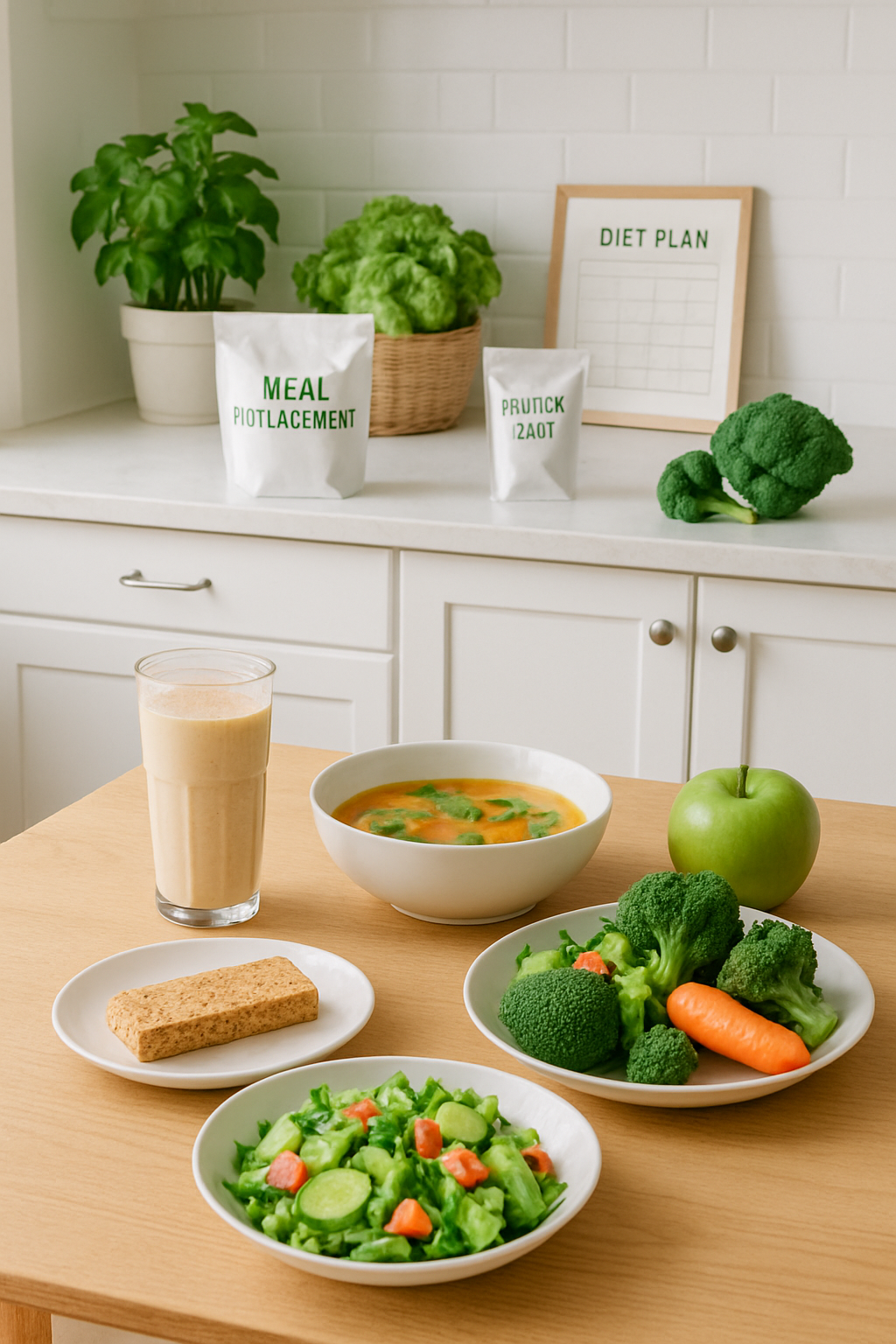
On a VLCD, your daily calorie intake might be as low as 800 calories, leading to a loss of 3 to 5 pounds (1.5 to 2 kg) per week. VLCDs often utilize meal replacements like shakes, soups, or bars to ensure you receive essential nutrients. With SnapEat AI's smart calorie counter, you can precisely log these replacements and any other foods to ensure you meet your nutritional needs. A VLCD is typically recommended only for adults with obesity for health-related reasons, often as a precursor to weight-loss surgery, and should be supervised by a healthcare provider. Experts advise against following a VLCD for more than 12 weeks.
Low-Calorie Diets (LCDs)
LCDs generally permit 1,000 to 1,200 calories daily for women and 1,200 to 1,600 for men. For many, an LCD is a more manageable approach to rapid weight loss than a VLCD. You can still expect significant results, but with a bit more flexibility. SnapEat AI makes following an LCD easier by allowing you to seamlessly track a combination of meal replacements and regular foods. Just snap a picture, and let our AI recognize your meal and log the calories.
Time-Restricted Eating
This increasingly popular strategy involves limiting your eating to a specific window each day. A common approach is the 16:8 method, where you consume all meals within an 8-hour period (e.g., 11 am to 7 pm). Studies suggest this can induce rapid weight loss. By using SnapEat AI to track your meals and eating times, you can monitor your progress and see if this strategy is effective for you, while ensuring you meet your nutritional goals within your eating window.
Intermittent Fasting
Fasting is a long-standing method of calorie restriction that has gained new popularity, with studies showing benefits for individuals with diabetes and obesity. The 5:2 regimen, involving two days of fasting or a VLCD and five days of normal eating, is a popular choice. Diets incorporating fasting can lead to rapid weight loss, and SnapEat AI is the perfect tool to manage your calorie intake on both fasting and non-fasting days.
The Pitfalls of Fad Diets
Many fad diets promise rapid weight loss by severely restricting calories, but they are often unsafe and unsustainable. Long-term success is rare, and you risk regaining the weight once you return to old habits. For most people, a safer and more sustainable goal is to lose 0.5 to 1 pound (225 to 500 grams) weekly. SnapEat AI promotes a science-based approach, helping you build healthy, lasting habits.
The Role of Exercise
Rapid weight loss primarily depends on calorie reduction rather than exercise. Always consult your provider about the appropriate type of exercise for your diet. As you transition to a more long-term, sustainable plan, SnapEat AI can sync with your health apps to integrate your physical activity, providing a complete picture of your health journey.
Potential Health Benefits
For individuals whose health is compromised by obesity, rapid weight loss can provide significant improvements in conditions such as diabetes, high cholesterol, and high blood pressure.
Understanding the Health Concerns
It is crucial to follow any rapid weight loss diet with professional guidance. Losing more than 1 to 2 pounds a week is not considered safe for most people and can lead to the loss of muscle, water, and bone density. Other potential side effects include gallstones, gout, fatigue, constipation, diarrhea, and nausea. Furthermore, those who lose weight quickly are more susceptible to regaining it. In general, rapid weight loss diets are not safe for children, teenagers, pregnant women, or older adults unless specifically recommended by a healthcare provider. Always discuss any new diet plan with your provider, especially if you have an existing health condition. SnapEat AI is a tool to support your journey, not a replacement for professional medical advice.