


Understanding Autism's Unique Nutritional Landscape
To understand the solution, we must first deeply appreciate the challenges. For many individuals on the autism spectrum, food is a complex sensory experience, not just a source of fuel. This creates a unique nutritional landscape defined by several factors:
- Sensory Sensitivities & Food Aversion: The texture of a banana, the smell of cooked fish, or the visual mix of a salad can feel overwhelming. This often leads to severe food aversions and a highly restricted diet, sometimes limited to a few 'safe' foods, which is a key symptom of ARFID (Avoidant/Restrictive Food Intake Disorder), common in autism.
- Desire for Routine: Predictability brings comfort. New foods disrupt this essential routine and can be met with significant resistance, making it difficult to introduce the dietary variety needed for balanced nutrition.
- Gastrointestinal (GI) Issues & Gut Health: A large body of research connects gut health and autism. Many individuals experience chronic constipation, bloating, or stomach pain. Identifying dietary triggers can feel like searching for a needle in a haystack.
- Risk of Nutritional Deficiencies: A limited diet naturally increases the risk of missing out on crucial vitamins and minerals (like iron, calcium, and Vitamin D), which can directly impact mood, energy levels, and overall development.
Traditional food journaling—writing down every item—is often too abstract and tedious. This is where a visual-first, AI-powered approach becomes a true game-changer.
What is SnapEat AI? Your Smart Nutrition Coach in Your Pocket
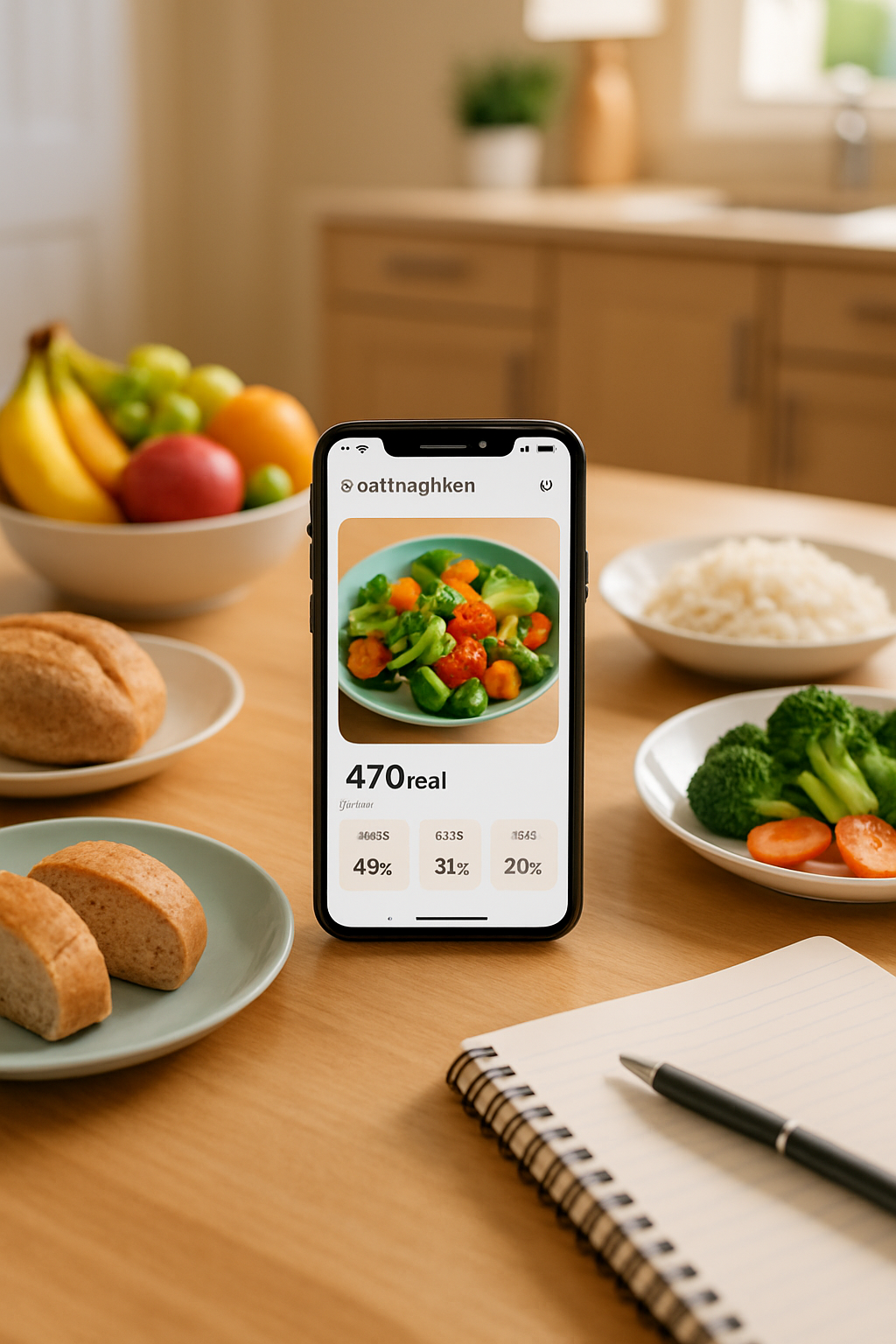
Imagine a nutrition coach that is patient, non-judgmental, data-driven, and available 24/7. That is the core of SnapEat AI. The concept is brilliantly simple: you snap a photo of a meal, and the AI does the rest.
Within moments, the app's advanced image recognition analyzes the photo and provides a detailed breakdown of its nutritional content, including calories, macronutrients (protein, carbs, fat), and key micronutrients. But its real power lies in its coaching ability. SnapEat AI isn’t about enforcing a restrictive diet; it's about building awareness. It helps users, parents, and caregivers see patterns and offers gentle, personalized insights, turning raw data into actionable health wisdom.
How SnapEat AI Specifically Empowers the Autism Community
For the specific needs of the autism community, SnapEat AI is more than just a helpful app—it's a transformative tool. It provides a compassionate bridge between food, feelings, and data.
1. Tackles Picky Eating with Data, Not Pressure
Instead of a stressful mealtime negotiation, a caregiver can use the app to visually review the week's meals. The app might reveal, "I see a lot of beige foods this week, and we're a bit low on Vitamin C." This data-driven observation opens the door for a collaborative, less confrontational approach: "Let's be food detectives! Can we find one red food to try tomorrow, like a strawberry or a small slice of red bell pepper?" This reframes the challenge of managing picky eating in autism into a gentle, goal-oriented activity.
2. Creates a Visual Food Diary for Routine and Predictability
The app automatically creates a visual food diary, a format that strongly resonates with visual thinkers common in the autism community. Seeing a grid of past meals provides a sense of order and reinforces routine. It allows an individual to see their own patterns, giving them a feeling of control and making the idea of tracking food less intimidating and more engaging.
3. Connects Food to Feelings to Identify GI Triggers
For a parent or individual trying to solve chronic gastrointestinal issues, SnapEat AI is an invaluable detective tool. By logging meals with photos and making a simple note about mood or physical symptoms (e.g., 'stomach ache,' 'feeling tired,' 'happy energy'), you can start to see correlations over time. Discovering patterns like, "I notice that on days with dairy, there's more stomach pain in the evening," provides the objective data needed to pinpoint trigger foods and improve well-being.
4. Enhances Communication with Healthcare Providers
Walking into a doctor's or nutritionist's office and saying, "My child is a picky eater," is vague. Showing them a complete, visual log from a food tracker app for an autistic child provides a concrete, detailed picture of the actual diet, including portion sizes and food combinations. This allows professionals to give far more specific, effective, and personalized advice.
5. Fosters Independence and Self-Advocacy
For autistic teens and adults, SnapEat AI is a powerful tool for independence. It allows them to discreetly manage their own nutrition, understand their body’s unique needs, and make informed choices. This builds self-awareness and confidence, empowering them to advocate for their own personalized health journey.
Getting Started: A Positive Approach to a New Routine
Adopting any new tool should be an empowering and positive experience. Here’s a simple guide to introducing SnapEat AI in a supportive way:
- Frame it as a Fun Project: Introduce the app as a "food detective game" or a "science experiment" to discover which foods give us the best energy. Avoid language related to dieting or restriction.
- Start with 'Safe' Foods: For the first few days, only snap photos of familiar, well-liked foods. This builds comfort with the process and establishes a baseline without any pressure.
- Focus on One Small Goal: Don't try to overhaul the diet overnight. Set a small, achievable goal, like "Let's try one bite of a new fruit this week" or "Can we add a new color to one plate?"
- Celebrate the Effort: When a new food is tried, celebrate the attempt, regardless of the outcome. Positive reinforcement is crucial for building long-term trust and willingness to experiment.
Frequently Asked Questions (FAQ)
- Is SnapEat AI only for autistic children?
- No! While it's uniquely beneficial for the challenges associated with autism, it's a powerful tool for anyone seeking a visual and easy way to understand their nutrition, including autistic teens, adults, and individuals with other special needs.
- How does the app handle mixed foods like soups or casseroles?
- SnapEat AI's algorithm is trained on millions of food images and can identify multiple ingredients within a single dish, providing a comprehensive nutritional estimate. For even greater accuracy, you can add a quick text note to clarify ingredients.
- Is my family's health data kept private and secure?
- Absolutely. SnapEat AI is built with privacy at its core. All personal data is encrypted and securely stored, used only to provide you with personalized insights. We believe trust is fundamental to any health journey.
A Healthier Future, One Snap at a Time
The journey to balanced nutrition within the context of autism is one of patience, understanding, and finding the right tools. SnapEat AI is more than just an app; it is a compassionate ally. It respects the need for routine while gently encouraging variety. It provides the data that empowers caregivers and clinicians. Most importantly, it fosters independence and helps individuals build a positive connection between what they eat and how they feel.
By harnessing technology with empathy, we can create truly personalized health solutions that make a real difference. In spreading #AutismAwareness, let's also share awareness of the incredible tools that can support and empower this vibrant community on their journey to well-being. Ready to see the difference a picture can make? Explore SnapEat AI today.