


The Great Divide in Nutrition Communication
To appreciate the innovation of SnapEat AI, we must first understand the problem it solves. Our analysis identifies two conflicting styles that hinder public health.
The "John Thune" Approach: The Curse of a Thousand Details
As nutrition professionals, we often communicate in a highly detailed, scientific manner. We discuss grams of protein, omega-3 to omega-6 ratios, and fiber types. This is the language of science—precise and essential for creating effective, personalized nutrition plans.
However, presenting a client with a multi-page document detailing their micronutrient needs often causes "analysis paralysis." The sheer volume of well-intentioned information leads to confusion and non-compliance. It’s the nutritional equivalent of a complex legislative bill: vital for experts but impenetrable for the average person.
The "Donald Trump" Approach: The Danger of a Single Slogan
In reaction to this complexity, the wellness market is flooded with simple, direct messaging: "Go Keto." "Just Eat Clean." "Sugar is Poison." These slogans are powerful because they are easy to remember and require little cognitive load.
The problem is they are often scientifically incomplete or misleading. This approach strips food of its context, promoting restrictive, unsustainable habits. A person might cut out carbs but also eliminate vital sources of fiber and nutrients—a detail lost in the slogan's simplicity.
Enter SnapEat AI: The Revolutionary Translator
This is where SnapEat AI enters the picture. At its core, it’s an AI in nutrition platform that uses advanced image recognition to analyze the food and drink in a photo. A user simply snaps a picture of their meal, and the AI does the rest.
But its true genius isn't just the AI food recognition from photo; it's how it communicates the results. It operates on two powerful, simultaneous levels, perfectly bridging the communication gap.
The "Trump" Effect: Instant, Simple, and Engaging Feedback
When a user snaps a photo, the first thing they see is not a complex chart. Instead, they get an immediate, digestible, and impactful piece of feedback—the simple layer.
- Instant Analysis: The friction of traditional food tracking apps is gone. You get instant feedback, removing the need for manual entry.
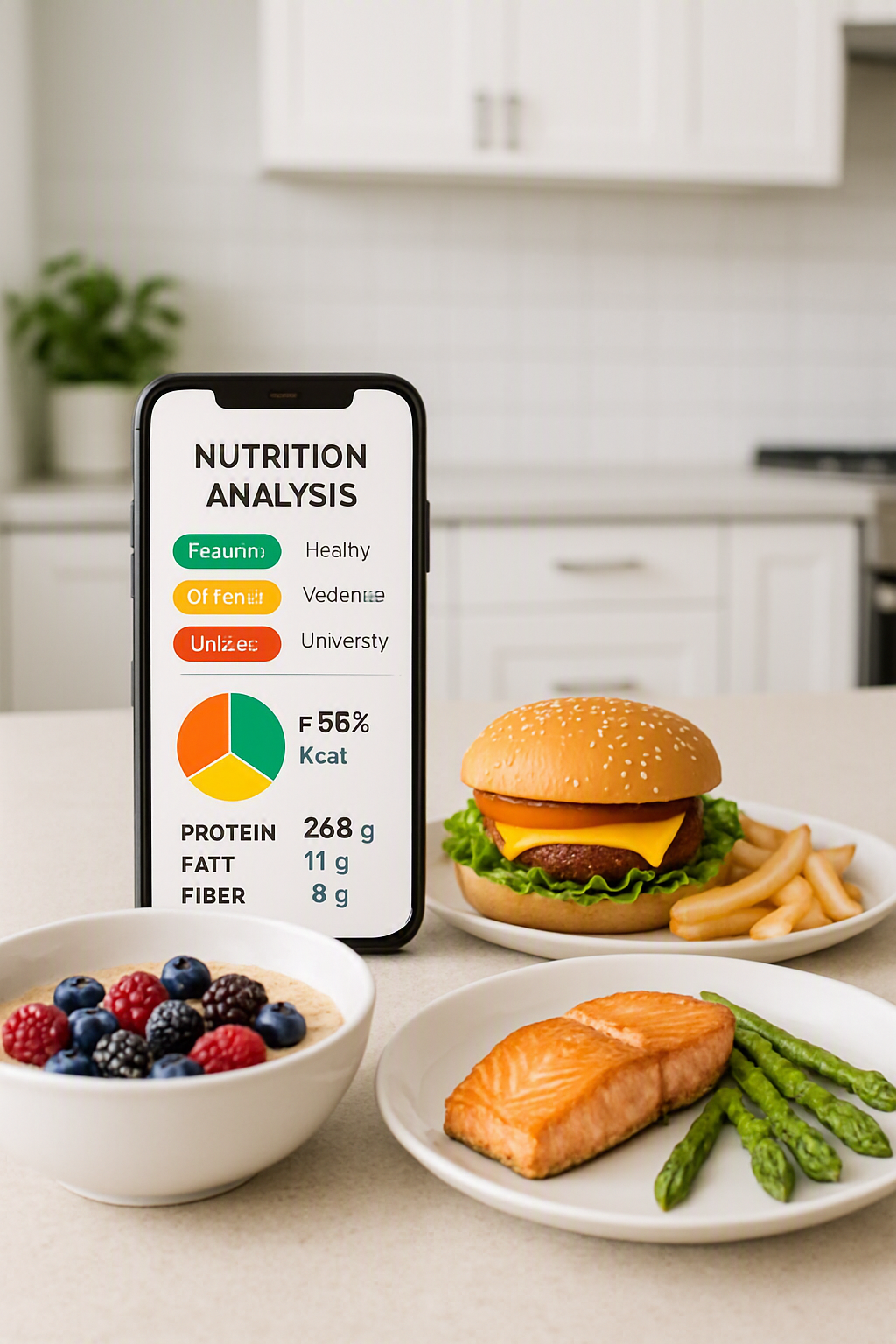
- Simple Scores & Visuals: SnapEat AI uses tools like a green/yellow/red color code to give a quick impression of a meal's healthiness. It might also offer a one-line summary: "Great source of protein!" for a chicken breast, or "High in sugar, consider a smaller portion" for cake.
- Encourages Action: This simplicity makes meal logging feel less like a chore and more like a game. It grabs attention and provides an immediate, actionable takeaway, which dramatically improves consistency and long-term engagement.
This is the powerful messaging the public craves, delivered accurately and responsibly.
The "Thune" Depth: Data, Trends, and Personalization
For the user who wants more—or for the nutritionist or health coach overseeing a client—SnapEat AI provides a layer of deep, substantive data just a tap away.
- Granular Data on Demand: Behind the simple score is a comprehensive nutritional breakdown. You can see the exact macronutrients (protein, carbs, fat), micronutrients, sodium, sugar, and more. All the complex data is there, but it's optional, not mandatory.
- Powerful Trend Analysis: For professionals, the app aggregates data over days and weeks, creating insightful reports and charts. This AI-powered analysis reveals patterns in a client's diet, providing the "policy-level" view needed for effective coaching and dramatically improving client compliance.
- Personalized Nutrition: The AI is smart enough to provide context. The feedback for a marathon runner and a person with type 2 diabetes can differ for the same meal. It aligns its in-depth analysis with specific health goals, providing the tailored, evidence-based guidance that one-size-fits-all slogans can never offer.
A Day in the Life: How SnapEat AI Works in Practice
Imagine a typical day with the app:
- Breakfast: You snap a photo of your oatmeal with berries. The app instantly flashes: "Excellent start! Great source of fiber." You feel good. If curious, you can tap to see you've hit 30% of your daily fiber goal.
- Lunch: You're out and order a cheeseburger and fries. You snap a photo. The feedback is a neutral yellow: "A high-energy meal. Enjoy!" You can tap to see the data: 950 calories, 50g of fat. No judgment, just facts. This empowers you to have a lighter dinner.
- Dinner: You have grilled salmon with asparagus. You snap the photo. "Perfect! Rich in Omega-3s and vitamins." You can drill down to see the precise breakdown of healthy fats and micronutrients.
In one day, you’ve engaged with your food meaningfully, received both quick encouragement and detailed data, and made informed choices without feeling overwhelmed.
Conclusion: The Future of Nutrition Communication is Smart and Simple
SnapEat AI isn't just another food tracking app. It's a fundamental shift in nutrition communication. It solves the central dilemma by refusing to choose between simplicity and substance. It understands that to change behavior, you need the direct, engaging impact of a simple message. But for that change to be meaningful and sustainable, it must be backed by accurate, personalized, and comprehensive data.
For nutritionists, dietitians, and health coaches, tools like SnapEat AI are the future of client management, offering a way to improve communication, foster accountability, and drive real results. For individuals, it’s a pathway to finally understanding the food on their plate without a Ph.D. in nutritional science.
The future of health isn't about dumbing things down or making them impossibly complex. It's about using technology like AI in nutrition to be smarter, delivering the right message to the right person at the right time. And in that, SnapEat AI is leading the revolution.