


Goodbye Tedious Tracking: How SnapEat AI Redefined Food Logging
For years, the path to better health was paved with good intentions and littered with abandoned food diaries. We fumbled with manual databases, squinted at barcodes, and made wild guesses about portion sizes. The friction of food logging was the biggest hurdle to consistency. SnapEat AI changed the game in 2025 with a deceptively simple promise: track food by picture. But behind this simplicity was a technological leap that made it the best food tracker of the year.
How SnapEat's AI Food Recognition Works
Unlike earlier apps that could barely distinguish a pizza from a pie, SnapEat AI’s advanced neural network delivered lab-level accuracy from a single photo. The process was revolutionary:
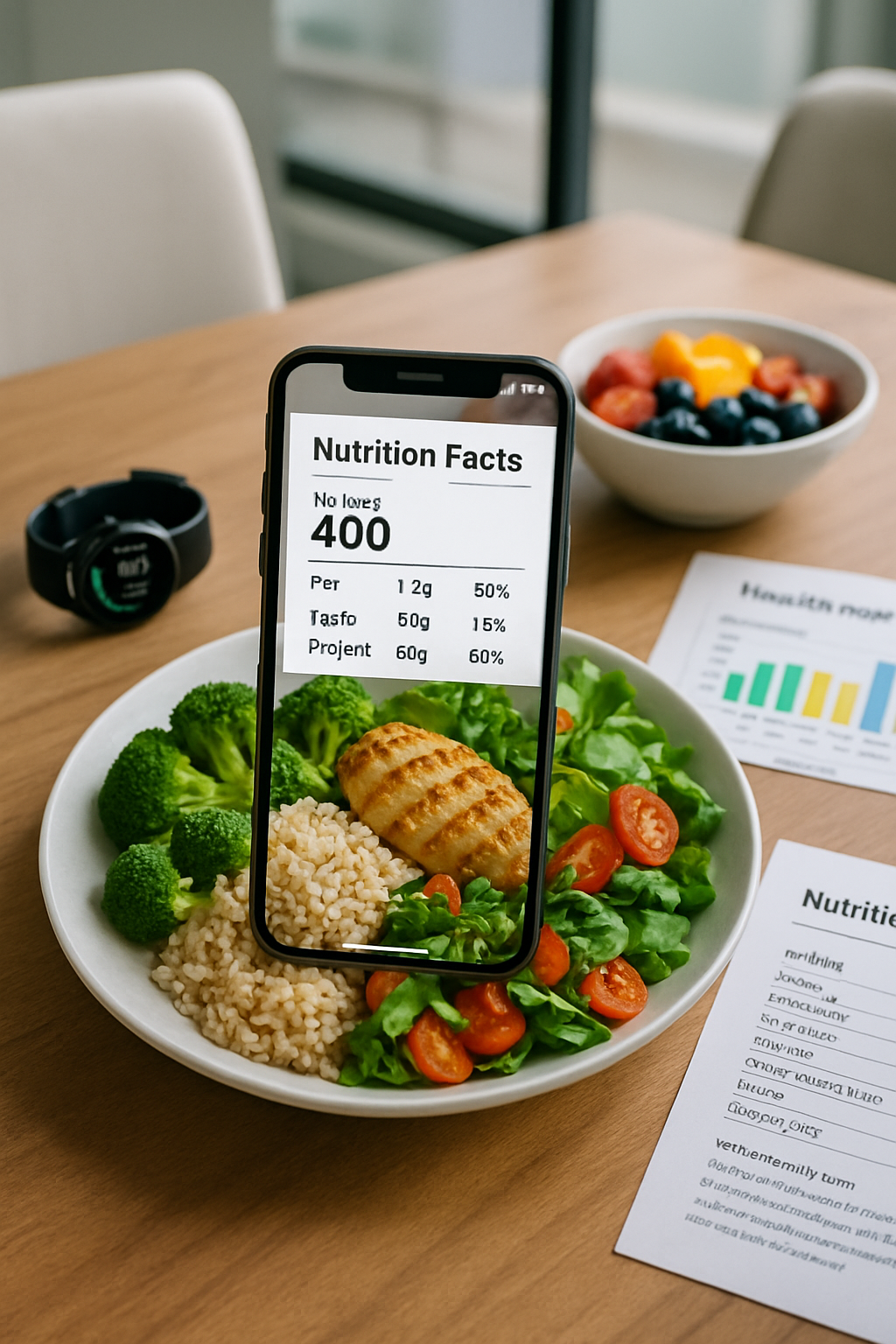
- 1. Snap a Photo: Users simply take a picture of any meal, from a complex homemade dish to a restaurant plate.
- 2. Instant AI Analysis: In seconds, the AI deconstructs the image. It doesn't just see 'salad'; it identifies grilled chicken breast (approx. 150g), romaine lettuce, cherry tomatoes, and a light vinaigrette dressing.
- 3. Detailed Nutrient Breakdown: The app instantly logs calories, macronutrients (protein, carbs, fat), and key micronutrients with unparalleled precision, eliminating the guesswork that plagued older calorie counter apps.
This effortless experience replaced a tedious chore with a satisfying tap, causing user adherence to skyrocket. The barrier was no longer willpower, but technology—and SnapEat AI shattered it.
Beyond a Calorie Counter: The Dawn of Truly Personalized Nutrition
If SnapEat AI had stopped at effortless tracking, it would have been a great app. What made it revolutionary was its evolution into a true personalized nutrition coach. By moving beyond just logging, it started a dynamic conversation about your body's unique needs.
The app created a 360-degree view of your health by integrating with key data sources:
- Wearable Devices: It seamlessly pulled activity, sleep, and heart rate data from smartwatches and fitness trackers.
- Health Goals: Users could set goals like fat loss, muscle gain, or managing chronic conditions.
- Dietary Preferences: The nutrition AI adapted flawlessly to vegan, keto, gluten-free, or any other dietary lifestyle.
This integration allowed SnapEat AI to move from a passive logger to an active interpreter. It provided real-time, actionable advice. For example:
"Great work on that run! Your glycogen stores are depleted. Consider a meal with ~40g of carbs and 20g of protein in the next 90 minutes to optimize recovery. How about grilled salmon with quinoa?"
This wasn't a generic diet plan; it was a dynamic, intelligent coach in your pocket, making personalized health accessible to everyone.
The Tangible Impact: Real-World Results with SnapEat AI
The effects of this health technology were profound. As a Registered Dietitian, I saw clients achieve breakthroughs that had eluded them for years.
Sustainable Weight Loss
By removing guesswork and offering smart swaps, SnapEat AI helped users achieve a consistent calorie deficit without feeling deprived. The effortless nature of the food tracking app made it the ultimate tool for sustainable weight loss.
Peak Athletic Performance
Athletes used the app's detailed macro tracker to dial in their fueling strategies. They could perfectly match energy intake to expenditure, ensuring they were primed for performance and recovering optimally.
Chronic Disease Management
For individuals with diabetes or hypertension, the app was a game-changer. It provided immediate feedback on how different foods impacted their blood sugar and blood pressure, empowering them to make life-saving choices.
Most importantly, SnapEat AI transformed the psychology of 'dieting' from a process of restriction and guilt into a journey of empowerment and self-awareness.
Frequently Asked Questions about SnapEat AI
How accurate is the AI food recognition?
In 2025, SnapEat AI achieved over 97% accuracy in identifying common foods and estimating portion sizes in controlled tests, significantly outperforming any previous food recognition app. For complex homemade meals, it allows users to quickly edit or confirm ingredients for near-perfect tracking.
Is SnapEat AI better than a manual tracker like MyFitnessPal?
While manual trackers are powerful, SnapEat AI's primary advantage is speed and convenience, which dramatically improves consistency. It serves as a powerful MyFitnessPal alternative for users who want deep analysis without the tedious manual entry. Its real-time personalized recommendations also go a step beyond traditional logging.
Can SnapEat AI handle complex, homemade meals?
Yes. The AI is trained on millions of dishes. It deconstructs multi-ingredient meals (like stews, casseroles, or complex salads) and presents a list of identified ingredients and quantities for the user to quickly verify or adjust. This makes tracking even the most complex homemade dishes simple.
The Future is Now: What's Next for Nutrition AI?
The foundation laid by SnapEat AI is set to launch the next wave of innovation. As we look to 2026, we can expect to see deeper integration with our environment. Imagine a personalized meal plan AI that suggests recipes based on what's in your smart fridge or automatically generates a grocery list aligned with your health goals and budget. Predictive analytics may even warn us of potential nutrient deficiencies before they become a problem, truly ushering in an era of preventative health.