


The Old Guard: Why Manual Food Logging is Broken
Anyone who has tried to manage their diet has faced the 'old guard' of food tracking apps. While revolutionary in their day, they're built on tedious manual labor. The process is frustratingly familiar: search for 'grilled chicken breast,' scroll through endless entries, guess the weight, and repeat for every single ingredient. This is 'logging fatigue,' a major barrier to consistency. When tracking your food becomes a bigger chore than your workout, the system is broken.
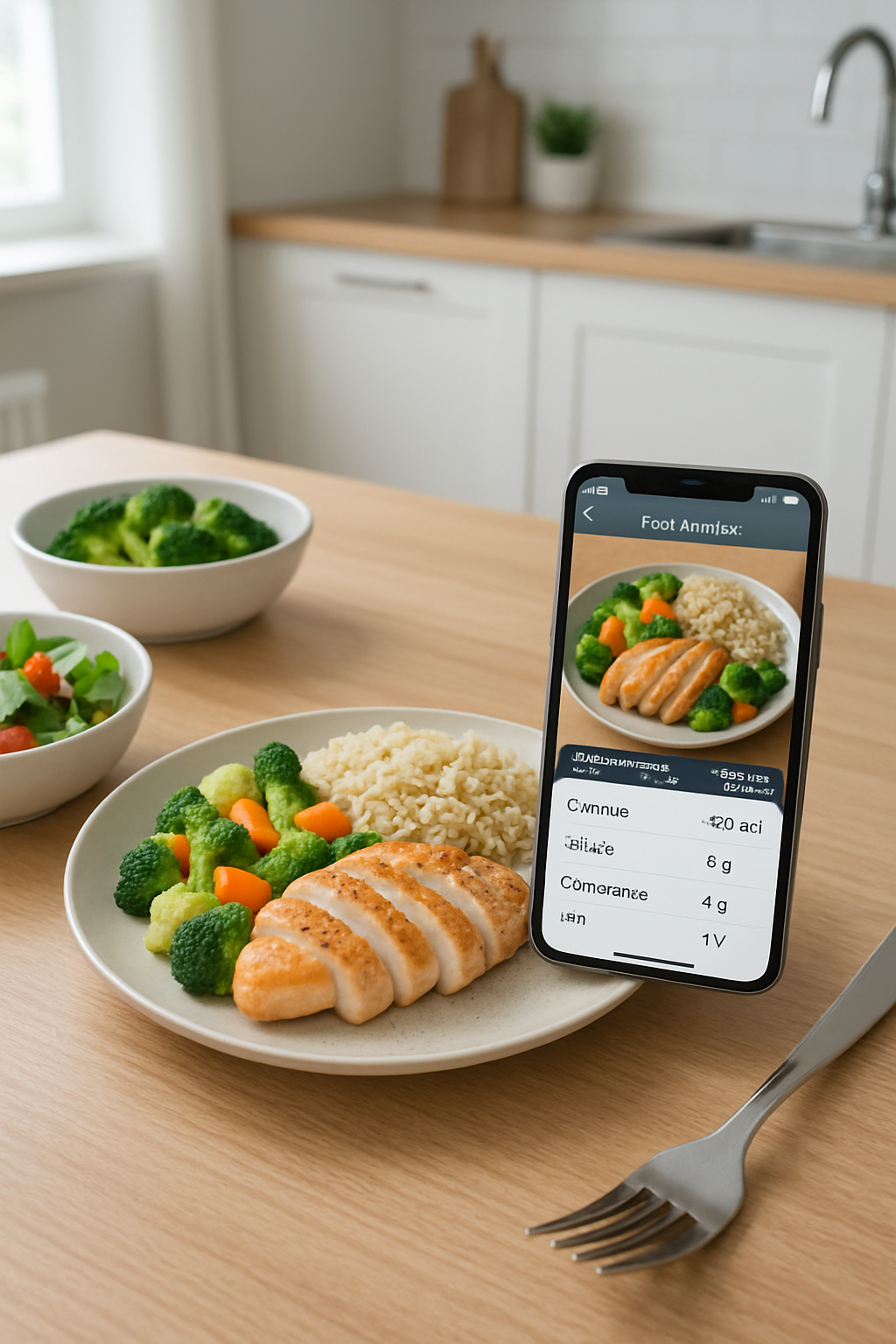
How SnapEat AI Works: Track Food with Just a Photo
Enter the revolution: SnapEat AI. This isn't just another food database; it's a fundamental shift in how we interact with our nutritional data. The premise is brilliantly simple.
- Snap a Photo: Instead of typing, you simply take a picture of your meal.
- AI Analysis: The AI instantly recognizes the different food items, from the steak and asparagus to the serving of rice.
- Data Estimation: Using visual cues, the AI estimates the volume and weight of each item, providing an instant breakdown of calories, protein, carbohydrates, and fats.
- Confirm and Log: You get a quick review of the AI's findings. With a single tap, the entire meal is logged in seconds.
By removing the friction, a food tracking app powered by AI makes consistency not just possible, but effortless.
Beyond Calories: Deeper Insights from an AI Nutrition App
The true power of an AI nutrition app extends far beyond simplifying calorie counting. Optimal health requires a more nuanced understanding of your diet.
- Macro & Micronutrient Analysis: SnapEat AI provides a detailed breakdown of your macronutrients (protein, carbs, fat) and can highlight potential micronutrient deficiencies over time.
- Behavioral Pattern Recognition: Because data is collected so consistently, the AI becomes a powerful analytical partner. It might reveal patterns like, 'You consume 40% more sugar on weekends,' providing actionable nutrition data.
- Personalized Recommendations: The future of this fitness technology is closing the feedback loop. The AI won't just track; it will suggest, helping you choose meals based on your goals and logged data.
A Professional's Take: Is Photo Food Tracking Accurate?
As nutrition professionals, we see tools like SnapEat AI as a massive leap forward. By making tracking nearly frictionless, they dramatically improve adherence—the #1 factor for success. However, it's vital to address the key question: 'Is photo food tracking accurate?'
The Pros vs. The Pitfalls
| Pros (The Benefits) | Pitfalls (The Limitations) |
|---|---|
| Unmatched Consistency: Removes the biggest barrier to daily tracking. | Hidden Ingredients: Struggles with invisible oils, sugars, and sauces. |
| Superior User Experience: The 'snap and go' process is fast and intuitive. | Complex Dishes: Casseroles, stews, and multi-layered foods are challenging to analyze. |
| Valuable Data: Provides 'good enough' data to guide 95% of dietary decisions. | Requires User Verification: It’s a powerful assistant, not an infallible oracle. A quick review is still needed. |
The key is to view SnapEat AI as an intelligent assistant. Use common sense, perform a quick 'gut check' on the estimates, and make small adjustments. For example, if you know you used extra olive oil, you can add it as a note.
Frequently Asked Questions (FAQ) about SnapEat AI
What is the best AI app for calorie counting?
While 'best' is subjective, SnapEat AI is a leading contender because it focuses on solving the biggest problem in nutrition tracking: user consistency. Its advanced image recognition and user-friendly interface make it a top choice for those who have failed with manual logging apps in the past.
How does SnapEat AI handle hidden ingredients like oil and sugar?
This is a known limitation of current photo-tracking technology. The AI is best at analyzing visible components. For 'hidden' ingredients like cooking oils or sugar in a sauce, the most effective approach is to manually add a quick note (e.g., '+1 tbsp olive oil') after the AI log to improve accuracy.
Is SnapEat AI a good alternative to MyFitnessPal?
Yes, it's an excellent alternative, especially for users who find manual searching and barcode scanning tedious. While MyFitnessPal has a massive user-generated database, SnapEat AI offers superior speed and convenience for whole-food meals, making it a powerful tool for effortless tracking.
Conclusion: Your Partner in a Seamless Health Ecosystem
The era of tedious health tracking is over. SnapEat AI and similar technologies are revolutionizing personal health tracking by eliminating friction and providing deeper, more actionable insights. This isn't just about a better calorie counter app; it's about building a connected health ecosystem. It’s about empowering you with data, not burdening you with chores. Ready to stop typing and start snapping? Embrace this new wave of technology and start truly optimizing your health, one photo at a time.