


SnapEat AI Review: A Nutritionist’s Test of the AI Calorie Counter
In the world of health and fitness, consistency is king. Yet, one of the biggest hurdles my clients face is the tedious task of tracking their nutrition. Manually logging every meal can feel like a part-time job, causing many to give up. That's why, as a nutritionist, I'm always on the lookout for tools that simplify this process. A food tracking app called SnapEat AI has been gaining significant attention, promising to be an all-in-one calorie counter and AI nutrition coach. But does it truly deliver on its promise? I put it to the test. This in-depth SnapEat AI review breaks down its features, accuracy, and true value from a professional perspective, helping you decide if it's the right partner for your health journey.
What is SnapEat AI? An All-in-One AI Nutrition Coach
At its core, SnapEat AI is a mobile food tracking app designed to make meal logging faster and more intuitive than ever. Unlike first-generation calorie counter apps that rely on manual database searches, SnapEat AI leverages artificial intelligence to streamline the entire process, aiming to transform a tedious chore into a simple habit.
Core Feature: From Photo to Full Nutritional Breakdown
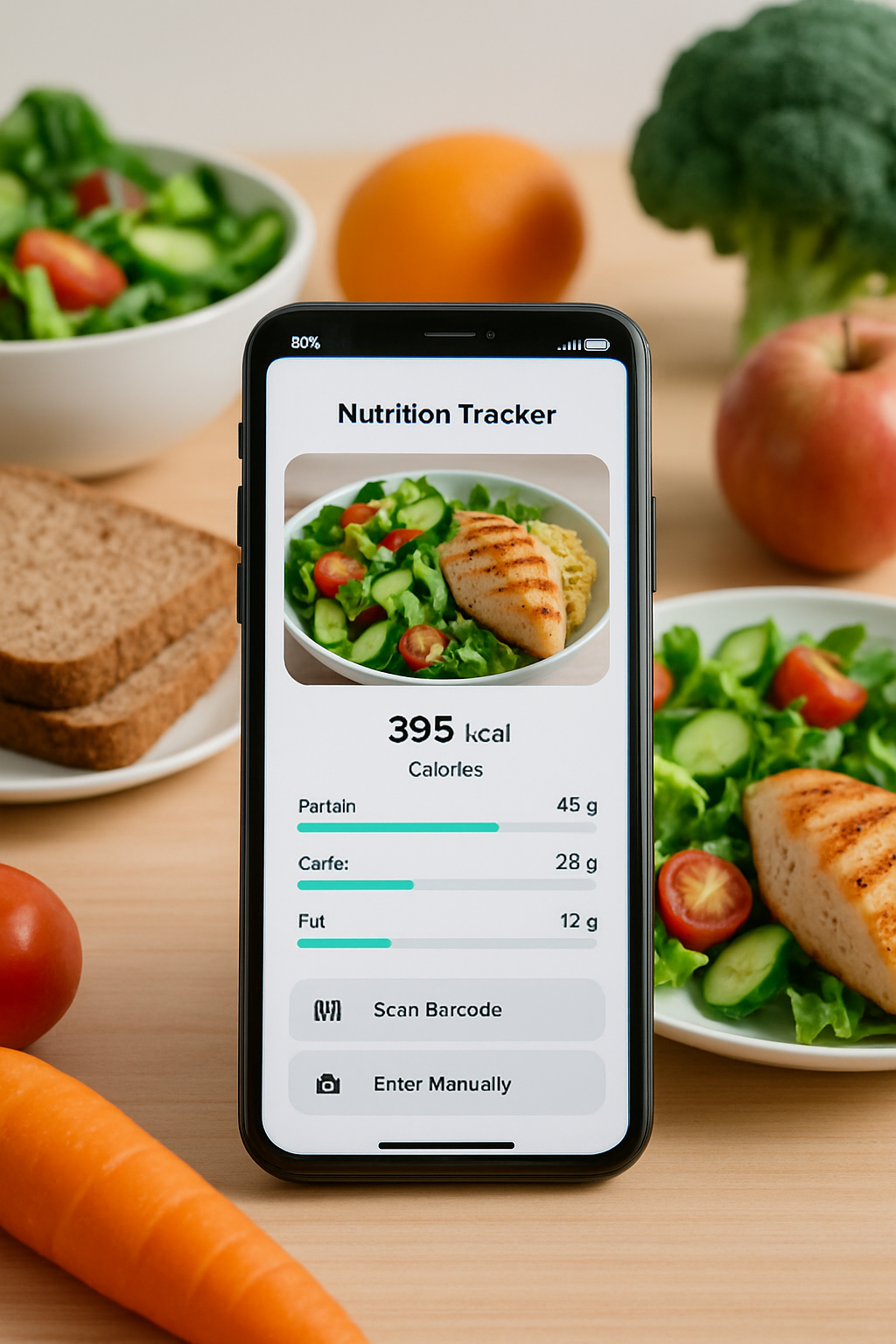
The standout feature is right in the name: you snap a photo of your meal. The app's AI analyzes the image to identify different food items, estimate their portion sizes, and provide a comprehensive breakdown of calories, macronutrients (protein, carbs, fat), and key micronutrients. This photo food tracker functionality is designed to turn a five-minute logging task into a five-second one, drastically lowering the barrier to daily tracking.
Beyond the Snap: Barcode Scanning & Manual Entry
For packaged foods, the app includes a reliable barcode scanner, a standard feature for any top-tier calorie counter app today. Crucially, it also retains a robust manual entry option. If the AI misidentifies an item or you want to be more precise about an ingredient (like the exact grams of chicken breast), you retain full control to edit and refine your log. This flexibility is essential for accuracy.
The AI Nutrition Coach: Personalized, Actionable Insights
This is where SnapEat AI aims to be more than just a food diary. The 'AI nutrition coach' feature analyzes your eating patterns over time, transforming raw data into actionable advice. It can offer insights like:
- "You're consistently low on protein on your workout days."
- "Your sodium intake was high yesterday, primarily from your lunch."
- "Great job hitting your fiber goal three days in a row!"
A Nutritionist's Professional Analysis: Pros and Cons
No tool is perfect. While SnapEat AI presents some compelling strengths, it's vital to understand its realistic limitations. Here's my professional analysis.
The Advantages: Why SnapEat AI is a Game-Changer
- Reduces Friction Dramatically: The primary benefit is speed and ease of use. The less effort required to log a meal, the more likely you are to do it consistently. Consistent data is the bedrock of any successful nutrition strategy.
- Promotes Food Mindfulness: The simple act of taking a photo of your food creates a behavioral pause. It encourages you to be more aware of what you're about to consume, which is a powerful psychological tool for portion control and weight management.
- Builds Nutritional Literacy: For beginners, seeing an instant nutritional breakdown of their plate can be incredibly eye-opening. It helps you learn about portion sizes and the caloric density of different foods, building your own nutritional intuition over time.
The Caveats: Understanding AI Limitations & Accuracy
- Accuracy Is an Estimate: This is the most critical point. AI is smart, but it's not magic. Is SnapEat AI accurate? It’s a great starting point, but it struggles to perfectly estimate portion sizes from a 2D photo. More importantly, it cannot see "hidden" ingredients like the amount of oil used to cook vegetables, the sugar in a sauce, or the butter in mashed potatoes. Its estimates are a baseline, not gospel.
- The "Coach" is an Algorithm: An AI nutrition coach cannot replace a human professional. It lacks the empathy, holistic understanding of your medical history, or the social context of your meals that a certified nutritionist or dietitian provides. Use it for data-driven suggestions, not for complex medical nutrition therapy.
- Risk of Over-Reliance: Convenience is a double-edged sword. It's essential to use the app as a tool to learn, not as a permanent crutch. The ultimate goal should be to internalize good habits so you can eat confidently without being tethered to an app.
How to Use SnapEat AI Effectively for Your Goals
The key to success with any food tracking app is using it as a guide to inform your choices. Here’s how to tailor its use to your specific goals:
- For Sustainable Weight Loss: Focus on the overall weekly calorie trends. Don't stress if a single day is slightly over. Use the AI's estimate as a baseline, but be honest with yourself about hidden fats and sugars. If the AI says your salad is 300 calories but you know it has a creamy, oily dressing, use the manual edit function to adjust it. The app is a fantastic tool for maintaining a calorie deficit with less effort.
- For Building Lean Muscle: Pay close attention to the protein macro. This is where SnapEat AI can be your best friend. Set your protein goal in the app and use the daily totals to ensure you're consuming enough to support muscle repair and growth. After a workout, quickly log your protein shake or meal to see how it contributes to your daily target.
- For Overall Health and Wellness: Move beyond just calories. Use the app to monitor your intake of fiber, sugar, and saturated fat. Aim to build "colorful" logs that reflect a variety of fruits and vegetables. The visual record of your meals can be a powerful motivator to create more balanced and nutrient-dense plates.
Frequently Asked Questions about SnapEat AI
Is SnapEat AI accurate?
SnapEat AI's accuracy is best described as a 'highly educated estimate.' It excels at identifying foods but can only approximate portion sizes and cannot detect hidden ingredients like oils and sugars. For best results, use its analysis as a starting point and manually adjust entries for greater precision.
Can an AI coach replace a human nutritionist?
No. An AI coach is a powerful tool for providing data-driven feedback and maintaining accountability. However, it cannot replace the personalized, empathetic, and holistic guidance of a certified human nutritionist who understands your full health context, lifestyle, and emotional relationship with food.
Who is this food tracker app best for?
SnapEat AI is ideal for individuals who have previously failed with manual calorie counting due to the time commitment. It's excellent for beginners learning about nutrition, busy professionals needing a quick logging solution, and anyone looking for a modern, visual way to track their food intake and stay motivated.
The Verdict: Is SnapEat AI Your Next Nutrition Partner?
After a thorough review, my professional verdict is in: SnapEat AI is a powerful and highly effective tool that significantly lowers the barrier to consistent nutrition tracking. Its use of AI to analyze photos is more than a gimmick; it's a genuine time-saver that can make a real difference in your health journey.
However, it's crucial to use it wisely. View it as your smart, data-savvy assistant, not an infallible master. Use its estimates as a guide, learn from its AI-driven feedback, and always combine its data with the most important feedback mechanism of all: how your own body feels, performs, and progresses.
If you've struggled with the tedious nature of manual food logging, a photo calorie counter app like SnapEat AI could be the key to unlocking the consistency you need to finally achieve your goals. It successfully bridges the gap between intention and action, making it one of the most promising health tech tools I've reviewed recently.