


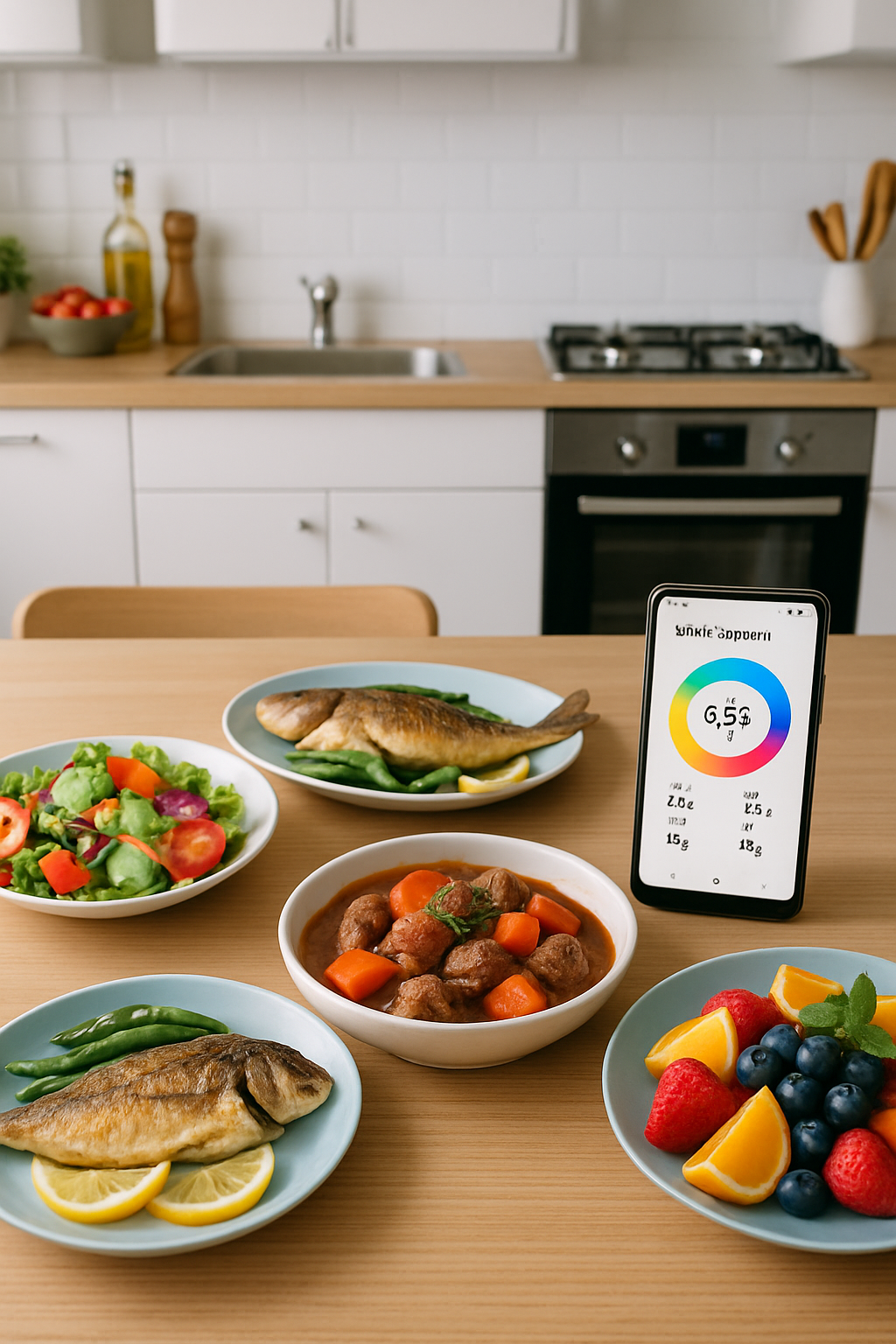
The “Magic”: The Dazzling Promise of AI Nutrition Tracking
The core appeal of an app like SnapEat AI lies in its almost magical simplicity. The premise is revolutionary: instead of manually entering every food item, you simply snap a picture of your meal. The app’s artificial intelligence then analyzes the image, identifies the foods on your plate, estimates their quantities, and provides a near-instant breakdown of calories and macronutrients (protein, carbs, fats). This is where the “magic” truly shines:
- Instant Gratification: The speed is breathtaking. Within seconds of taking a photo, you get actionable data. This rapid feedback loop is a powerful motivator, transforming a chore into an engaging interaction.
- Lowers the Barrier to Entry: For anyone overwhelmed by traditional food tracking apps like MyFitnessPal, this is a game-changer. The steep learning curve is flattened. If you can take a picture, you can track your nutrition, making it an incredible tool for beginners on a health or weight loss journey.
- Boosts Consistency Through Ease: The #1 reason people fail at tracking is friction. By removing the tedious work of manual data entry, a photo calorie counter like SnapEat AI can dramatically improve consistency. In nutrition, consistency is everything.
The “Cavaliers”: Facing the Gritty Reality of AI Accuracy
While the promise is magical, the execution faces tough opponents—the “Cavaliers” of nutrition science. AI is smart, but the world of food is infinitely complex. Here are the primary challenges that keep photo food logging from being perfect.
The Accuracy Gauntlet: Portion Size
The single biggest hurdle is accuracy. How does an AI differentiate between 4oz and 6oz of salmon from a 2D image? Portion size estimation is difficult even for the human eye. A 20-30% margin of error, which is common in current AI models, can be the difference between a calorie deficit for weight loss and a surplus.
The Hidden Opponent: Invisible Ingredients
What about the ingredients the AI can't see? It identifies the broccoli but misses the two tablespoons of olive oil it was roasted in. It sees the chicken but can't detect the sugar in the teriyaki glaze. These hidden fats and sugars are calorie-dense and can drastically alter a meal's nutritional profile.
The Complexity Problem: Mixed Dishes
An apple is easy. A bowl of homemade beef stew with ten ingredients is another story. The AI may recognize “stew,” but it can't know your specific recipe. It relies on a generic database entry, which may be vastly different from what you actually ate.
A Nutritionist's Game Plan: How to Use SnapEat AI Effectively
So, is SnapEat AI a flawed tool? Absolutely not. Its value depends on how you use it. Think of it as a powerful new player that needs a smart coach—you. Here is my professional game plan for making this AI nutrition tracker work for you:
- Adopt the “Trust but Verify” Strategy: Use the AI's analysis as a first draft, not the final word. After you snap your picture, take 30 seconds to review the app's suggestions. Did it mistake sweet potato for butternut squash? Did it miss the dressing on your salad? Make quick manual corrections. This hybrid approach gives you the speed of AI with a necessary layer of human accuracy.
- Know Its Best Use Case: This app is phenomenal for raising awareness and building habits. If you have no idea how many calories you're consuming, SnapEat AI provides an eye-opening ballpark estimate that helps you make better choices. It’s a perfect starting tool for general wellness and initial weight loss efforts.
- Understand Its Limitations: I would not recommend relying solely on this technology for medical nutrition therapy (e.g., a diabetic diet) or for an elite athlete's competition prep, where precision is non-negotiable. The potential margin of error is too significant for these critical use cases.
- Pair Tech with a Human Touch: An app provides data; a qualified nutritionist or dietitian helps you interpret that data, understand your body's unique needs, and build a sustainable plan. A food tracking app is a powerful tool, but it's not a replacement for personalized, expert guidance.
Frequently Asked Questions About AI Nutrition Trackers
Is a photo calorie counter like SnapEat AI accurate?
It's more accurate for simple, whole foods and less accurate for complex, mixed dishes or for estimating hidden ingredients like oils and sugars. Its main strength is providing a good directional estimate to build awareness, but it should not be considered 100% precise.
Is SnapEat AI better than MyFitnessPal?
They serve different needs. SnapEat AI is faster and easier for beginners, prioritizing speed over perfect accuracy. MyFitnessPal (manual entry) is more precise if you are willing to weigh and measure your food, but requires significantly more effort.
Who should not use an AI nutrition tracker?
Individuals with medical conditions requiring strict dietary control (like diabetes or kidney disease), competitive athletes, or anyone with a history of eating disorders should use these apps with caution and always under the guidance of a healthcare professional.
The Verdict: Is SnapEat AI a Champion Contender?
So, where does SnapEat AI land? It’s far from a bench player. It is a legitimate, game-changing contender in the world of health tech. The “Magic” of its convenience, speed, and design successfully tackles the biggest reason people fail at tracking: it’s too much work. It makes nutrition data accessible and engaging in a way we’ve never seen before.
However, it’s not a flawless champion yet. The “Cavaliers”—the realities of portion estimation, hidden ingredients, and meal complexity—are formidable opponents that keep its accuracy from being perfect. My final verdict is this: SnapEat AI is a fantastic tool for the 80% of people who want to become more mindful of their eating habits, get on the right track for weight loss, or build healthier routines. If you've struggled with tracking in the past, I highly encourage you to try it.
Use it as a guide, not a gospel. By understanding both its dazzling strengths and its current limitations, you can use this powerful AI nutrition tracker to build a winning strategy for your health goals.