


What is SnapEat AI? The AI Nutrition Coach in Your Pocket
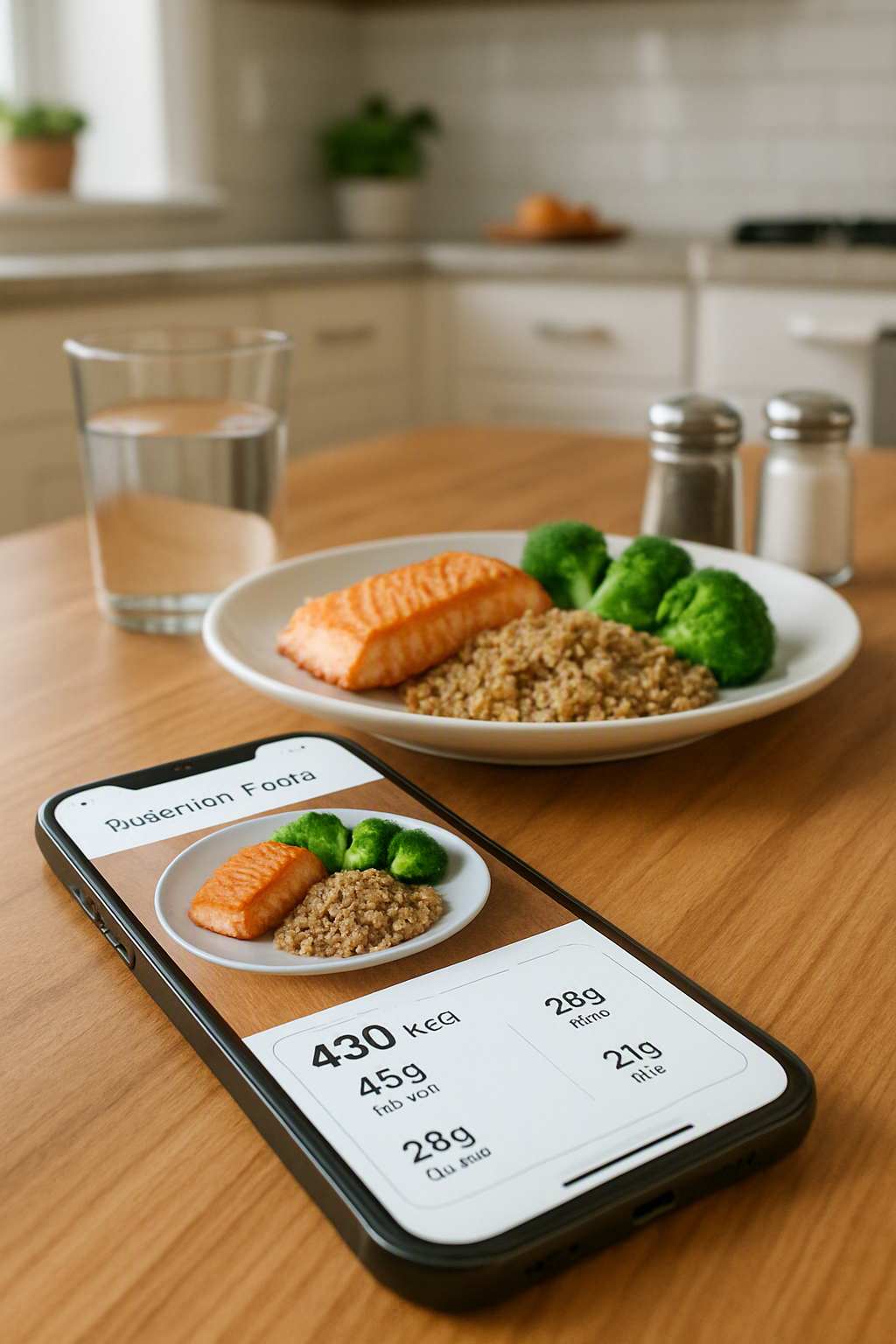
At its core, SnapEat AI is a mobile app that revolutionizes diet management. Its standout feature is the ability to analyze your meal from a single photograph. Using advanced image recognition and a vast food database, the app identifies food items, estimates portion sizes, and provides an instant breakdown of calories and macronutrients (protein, carbs, fats). However, SnapEat AI aims to be more than a high-tech food diary. It markets itself as a comprehensive AI nutrition coach. By learning your habits and understanding your goals (e.g., weight loss, muscle gain), it provides personalized feedback, transforming the daunting task of macronutrient tracking into a seamless, interactive experience.
Feature Deep Dive: Is Smart Calorie Tracking by Photo Accurate?
The biggest barrier to consistent food logging is the manual effort. This is where SnapEat AI’s promise of smart calorie tracking truly shines. The process is designed for maximum convenience:
- Snap: Take a clear photo of your meal before you eat.
- Analyze: The AI identifies the foods, such as "grilled salmon," "quinoa," and "broccoli spears."
- Confirm: The app displays its findings, allowing you to quickly verify or make minor adjustments.
The primary benefit is undeniable: speed. What previously took five minutes of manual database searches can now be done in seconds. This convenience is a game-changer for maintaining consistency—the real key to any successful nutrition plan. But this raises the critical question: is SnapEat AI accurate? In our tests, the AI is impressively adept at identifying common, single-ingredient foods. However, accuracy can diminish with complex, multi-ingredient dishes like stews, casseroles, or restaurant meals with secret sauces. It's best to treat the AI's estimate as a strong starting point, not an infallible fact.
Tips for Improving Accuracy
- Clear Photos: Ensure good lighting and that all food items are visible.
- Specify Cooking Methods: Edit entries to reflect how food was prepared (e.g., change "chicken breast" to "fried chicken breast").
- Account for the Unseen: Manually add hidden fats and sugars like cooking oils, butter, and dressings. A tablespoon of olive oil can add over 100 calories.
A Nutritionist's Verdict: The Pros and Cons of SnapEat AI
As a tool for public use, no app is perfect. From a professional standpoint, here is a balanced review of SnapEat AI's strengths and weaknesses.
The Pros: Why It's a Game-Changer
- Reduces Friction: The nutrition tracking by photo feature dramatically lowers the barrier to entry, making it more likely for users to stay consistent with their food log.
- Enhances Food Literacy: By visually breaking down meals, it helps users develop a better intuition for portion sizes and the macronutrient composition of their food.
- Motivational Feedback: The AI coach's positive reinforcement and gentle nudges are often more encouraging than staring at a stark calorie deficit number, fostering a healthier relationship with food tracking.
The Cons: Where It Falls Short
- Accuracy Limitations: The app struggles to identify hidden ingredients like cooking oils, butter, and sugar in sauces, which can significantly impact calorie counts. User diligence is required.
- Lack of Context: An AI cannot know if your steak is a lean sirloin or a fatty ribeye without your input. This context is critical for accurate tracking and must often be manually corrected.
- Not a Medical Replacement: For individuals with serious health conditions like diabetes, kidney disease, severe food allergies, or a history of eating disorders, this app is not a substitute for guidance from a registered dietitian or doctor.
Who Should Use SnapEat AI?
This innovative weight loss app is brilliantly suited for specific demographics:
- The Busy Professional: For those whose most valuable asset is time, the speed of photo-logging is a transformative feature.
- The Nutrition Beginner: Anyone feeling overwhelmed by traditional tracking will find the guided, simplified approach perfect for building foundational habits.
- The Tech-Savvy Individual: Users who love leveraging technology to optimize their lives will appreciate the cutting-edge approach to diet management.
Conversely, elite athletes requiring pinpoint macro precision or individuals managing complex medical diets may find the potential for small inaccuracies to be a significant drawback. These users are better served by meticulous manual tracking or working directly with a healthcare professional.
Frequently Asked Questions (FAQ) About SnapEat AI
To provide further clarity, here are answers to the most common questions we receive.
Is SnapEat AI better than MyFitnessPal?
It depends on your priorities. If your main pain point is the time and effort of manual logging, SnapEat AI is a superior MyFitnessPal alternative. If you require a massive, user-generated food database and pinpoint precision, you might prefer the control of manual entry in MyFitnessPal.
Can SnapEat AI really replace a nutrition coach?
No. An AI coach is a powerful tool for guidance, motivation, and data tracking. However, it cannot replace the nuanced, empathetic, and highly personalized advice of a human registered dietitian who understands your unique health history and lifestyle.
Is the app free to use?
SnapEat AI typically operates on a freemium model. Basic features like photo logging may be free, but the personalized AI coaching, detailed analytics, and advanced features usually require a premium subscription.
Conclusion: Is SnapEat AI the Future of Your Diet?
After a thorough review, SnapEat AI undoubtedly earns its status as a top-tier health technology. It successfully tackles the single biggest pain point in nutrition management: the tediousness of tracking. By making the process fast, intuitive, and even a little fun, it empowers more people to take control of their diet.
Is it a perfect, infallible AI nutrition coach? Not yet. User diligence is still required to ensure accuracy. However, it is an exceptionally powerful tool for building awareness, promoting consistency, and learning the fundamentals of a balanced diet. Our final recommendation is to embrace tools like SnapEat AI as a smart assistant for your health journey. Use it to simplify logging and gain insights, but always pair it with the timeless wisdom of choosing whole foods, listening to your body's hunger cues, and staying active. Technology can make the path to your goals smoother, but you are still the one driving.