


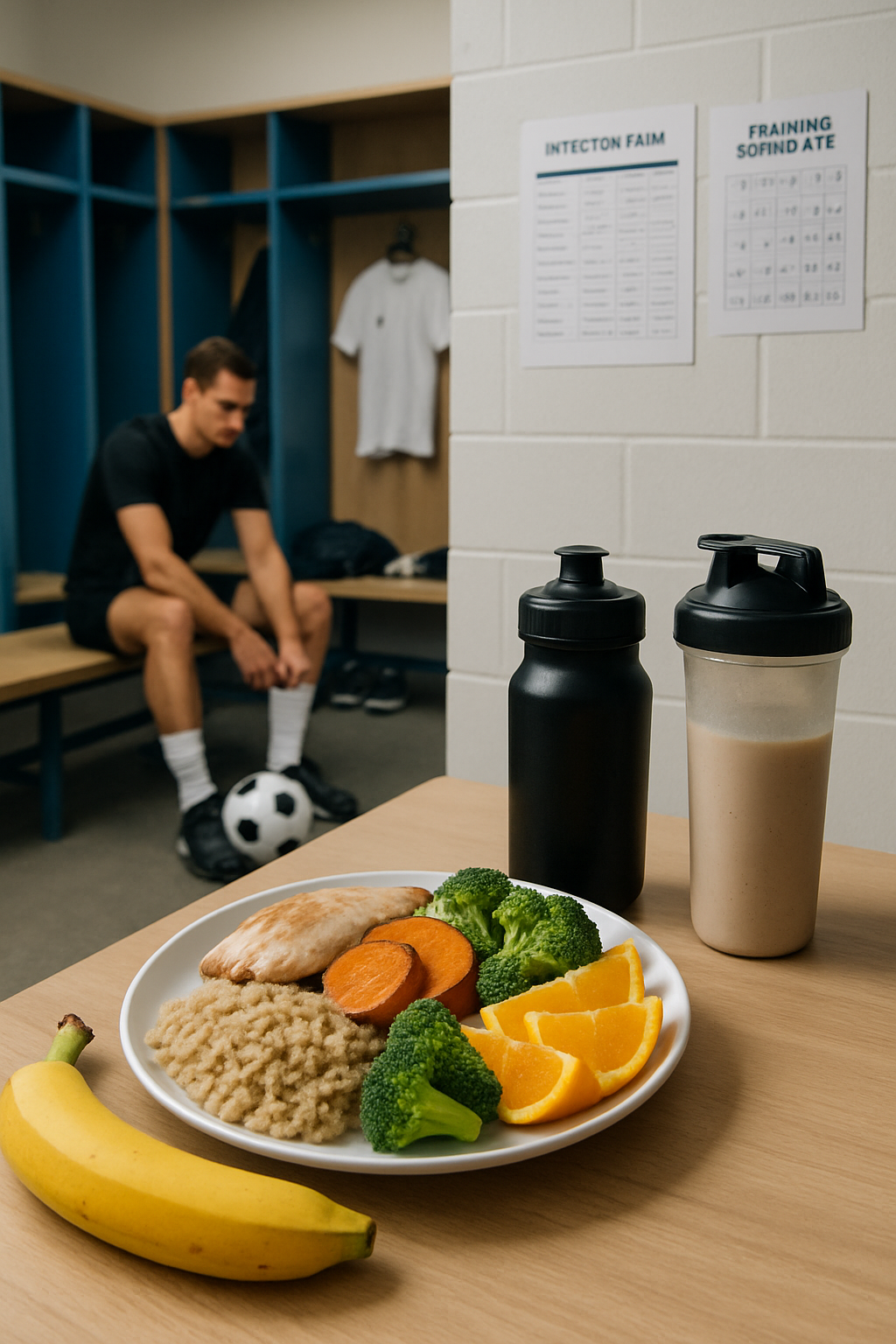
The Engine of a Soccer Player: Mastering Your Core Nutritional Needs
A 90-minute soccer match is a relentless battle of explosive sprints, sustained jogging, and physical duels. To perform at your peak, your body needs to be a finely tuned engine. This starts with understanding the three core pillars of performance nutrition.
Fuel Source: Carbohydrates for Explosive Energy
Carbohydrates are your body's most crucial and efficient energy source for high-intensity sports. When consumed, they are stored in your muscles and liver as glycogen. Think of glycogen as the high-octane fuel in your tank. It's what powers those late-game sprints and game-changing plays. Running low on glycogen is what athletes call "hitting the wall"—a state of sudden fatigue and loss of energy. A winning soccer player diet is always built on a foundation of quality carbohydrates like oats, sweet potatoes, brown rice, and fruits.
Repair Crew: Protein for Muscle Recovery and Strength
Every sprint, jump, and tackle creates tiny micro-tears in your muscle fibers. Protein provides the essential amino acids needed to repair this damage, making your muscles stronger and more resilient for the next challenge. Without adequate protein, recovery slows, the risk of injury increases, and you won't achieve the strength gains from your training. Lean sources like chicken, fish, greek yogurt, and lentils are non-negotiable for any serious athlete.
Hydration: The Simplest and Most Powerful Performance Enhancer
Dehydration is a performance killer. Research shows that losing as little as 2% of your body weight in sweat can significantly impair your stamina, coordination, and decision-making on the pitch. Water is essential for nearly every metabolic function, including energy production and regulating body temperature. Staying consistently hydrated is the easiest and most effective way to maintain your competitive edge.
Your Match Day Nutrition Playbook: Timing is Everything
Knowing what to eat before a soccer match and how to refuel afterward is critical. Here’s a simple, actionable playbook for perfect nutrient timing.
- Pre-Match Meal (3-4 hours before): This is your main energy-loading opportunity. Focus on complex carbohydrates for sustained release and a moderate amount of lean protein. Good choices: A bowl of oatmeal with berries, grilled chicken with sweet potato, or pasta with a light tomato-based sauce. Avoid high-fat, high-fiber, or overly heavy foods that can cause digestive issues.
- Halftime Refuel (15-minute window): The goal is quick, easily digestible energy to top up glycogen stores. Good choices: A sports drink, a banana, or a handful of orange slices are perfect for a rapid energy boost.
- Post-Match Recovery (Within 60 minutes): This is the "golden window." Your body is primed to absorb nutrients to kickstart the repair process. Your ideal post-game recovery meal should have a 3:1 ratio of carbs to protein. Good choices: Chocolate milk, a protein shake with fruit, or a chicken and rice bowl to replenish glycogen and accelerate muscle repair.
How SnapEat AI Becomes Your Personal AI Nutrition Coach
Understanding nutrition principles is the first step, but consistent execution is what separates good players from great ones. This is where an AI nutrition coach like SnapEat AI transforms your approach from guesswork to a precise strategy.
Effortless Tracking for Elite Insights
Forget tedious manual food logging. With SnapEat AI, you simply snap a photo of your meal. The advanced AI analyzes the image, automatically logging the food and calculating its precise macronutrient content—carbohydrates, protein, and fat. It turns a chore into a simple, two-second habit that provides professional-level data.
Personalized Targets for Peak Performance
SnapEat AI delivers a personalized athlete diet plan, not a generic template. Based on your training load, position, and performance goals, it sets custom daily and pre-match macro targets. You'll know exactly how many grams of carbs to load before a game and how much protein you need for optimal recovery, ensuring you are always perfectly fueled.
Beyond the Pitch: Fueling for Training and Rest Days
Championships are won during the grueling weeks of training. Your nutrition must be consistent. During heavy training, your energy needs are sky-high. Use SnapEat AI to ensure you’re not in a calorie deficit, which leads to fatigue and injury. Even on rest days, proper nutrition is key. These are your primary recovery days, where a focus on protein and nutrient-dense foods helps your body rebuild and come back stronger.
Frequently Asked Questions (FAQ) about Soccer Nutrition
- What should I avoid eating before a soccer game?
- Avoid high-fat foods (fried foods, heavy sauces), high-fiber foods (large amounts of raw vegetables, beans), and overly spicy foods. These can slow digestion and cause discomfort during the match.
- How much water should a soccer player drink?
- Aim for consistent hydration throughout the day. A general rule is to drink 2-3 liters daily, plus an additional 500-1000ml for every hour of intense exercise to replace sweat loss.
- Is protein important for soccer players?
- Absolutely. Soccer involves constant muscle work, and protein is essential for repairing and strengthening those muscles. Aim for 1.6-2.2 grams of protein per kilogram of body weight per day.
Stop Guessing, Start Fueling Like a Champion
Your dedication on the field deserves to be supported by elite nutrition off it. By mastering the principles of soccer nutrition—fueling with carbs, repairing with protein, and staying hydrated—you unlock a powerful competitive advantage. Stop leaving your performance to chance. Take control of your diet and make every meal count. With a tool like SnapEat AI, managing your nutrition becomes simple, intuitive, and effective. It's time to fuel your ambition and play every minute like a champion.