


Why Tax Season Stress Makes You Crave Comfort Food
When you're staring down a deadline like the IRS extension, your body enters 'fight or flight' mode, releasing a cascade of hormones, most notably cortisol. Research shows that prolonged high levels of this stress hormone can wreak havoc on your appetite. It signals to your brain that you need a quick energy source to fight the perceived threat (in this case, Form 4868), cranking up your cravings for high-calorie, high-fat, and high-sugar foods.
There’s a psychological component, too. These 'comfort foods' trigger the release of dopamine, a neurotransmitter associated with pleasure and reward. Your brain quickly learns that a cookie can provide a momentary escape from the stress of tax preparation. The problem is, this relief is temporary and often followed by a crash in energy and mood, creating a vicious cycle. The key to breaking it is learning to distinguish this emotional hunger from true, physical hunger, which comes on gradually and can be satisfied by a variety of foods.
Are You a Stress Eater? 4 Warning Signs to Watch For
Emotional eating often happens on autopilot. Becoming aware of the signs is the first step toward change. See if any of these sound familiar, especially during high-pressure times like tax season:
- Sudden, Urgent Cravings: You don't just feel hungry; you feel a desperate need for a specific food, like chocolate or pizza, right now.
- Mindless Eating: You finish an entire bag of snacks while working, hardly remembering tasting it. This is a classic sign of eating driven by anxiety, not hunger.
- Eating Beyond Fullness: You continue eating even though your stomach feels physically full, pushing past your body's natural signals.
- Post-Eating Guilt: Instead of feeling nourished, you feel ashamed or guilty about what or how much you just ate, which can fuel even more stress.
If you nodded along to any of these, you're not alone. The good news is that awareness is your most powerful tool for making healthier choices.
How SnapEat AI Helps You Regain Control Effortlessly
'Just be more mindful' is easier said than done when you're overwhelmed. This is where technology becomes a game-changer. SnapEat AI is designed as your personal nutrition detective, making it effortless to track the connection between your stress and your food.
- Effortless Photo Logging: Forget manually typing every ingredient. Simply snap a photo of your meal, and SnapEat AI’s advanced image recognition logs it for you. This low-friction process is crucial when you're already feeling stressed and have low willpower.
- Powerful Pattern Recognition: By consistently logging your food with a quick photo, the AI begins to reveal powerful patterns. You might discover that you reach for sugary snacks every day around 3 p.m. while working on your taxes, or that late-night filing sessions always end with a high-calorie meal.
- Turning Awareness into Action: SnapEat AI doesn’t just show you what you ate; it helps you understand why. Seeing the clear link between a stressful task and a poor food choice empowers you to interrupt the pattern. The next time you feel the urge, you can pause and ask, 'Am I really hungry, or am I just stressed?'
5 Actionable Strategies for Healthier Choices Under Pressure
Using a tool like SnapEat AI builds the foundation of awareness. You can then use that knowledge to implement practical, healthier choices. Here are five strategies to start today:
1. Stock Your Kitchen with Healthy 'Grab-and-Go' Snacks
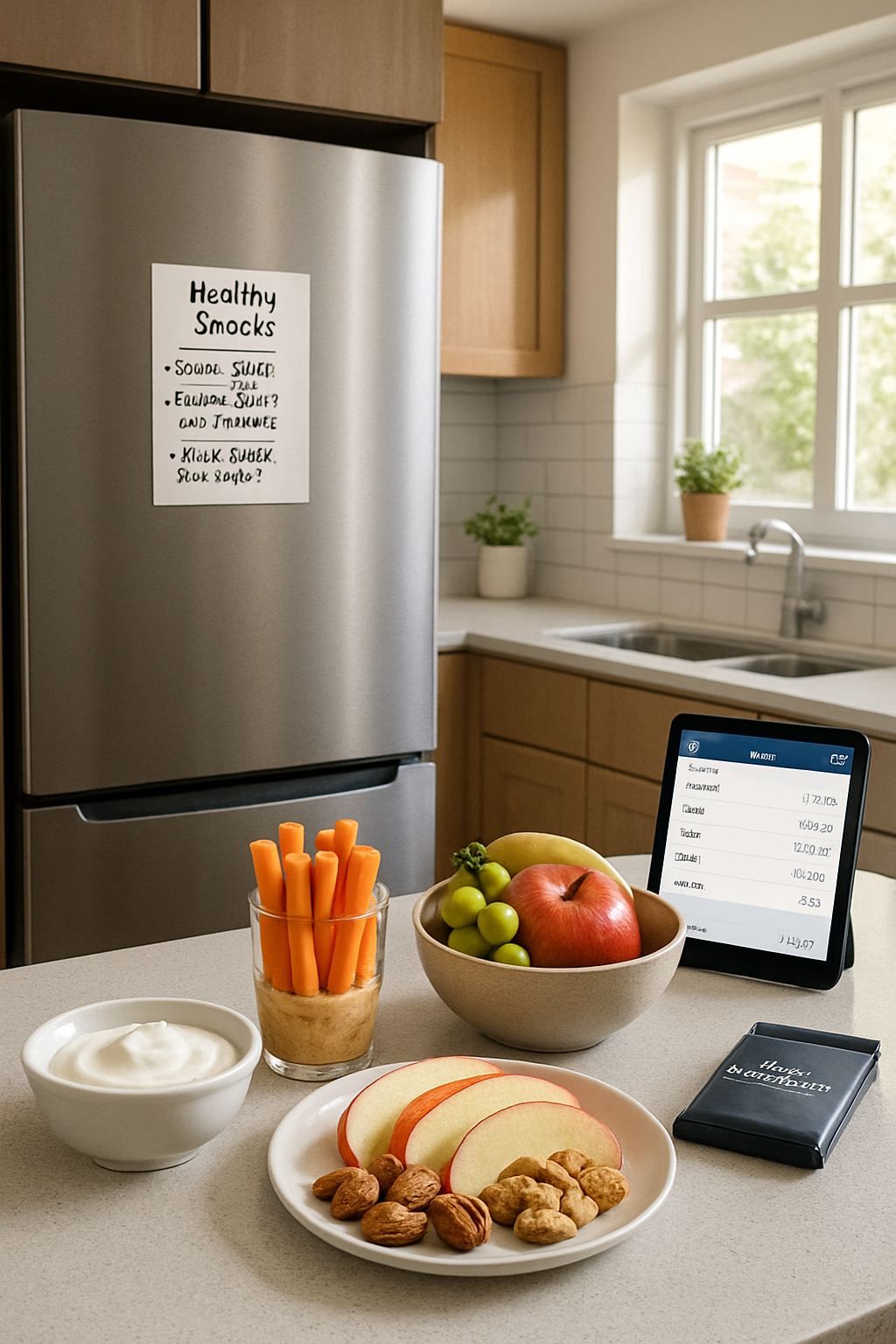
Don't leave your nutrition to chance. The best defense is a good offense. Stock your fridge and pantry with easy, grab-and-go options like:
- Greek yogurt cups
- Baby carrots with hummus
- Apple slices with nut butter
- A handful of almonds or walnuts
- Hard-boiled eggs
2. Practice Mindful Eating (Even for 5 Minutes)
When you do eat, put your tax forms away. Take five minutes to sit without distractions. Chew slowly, savor the flavors, and listen to your body’s fullness cues. This simple pause can prevent mindless overeating.
3. Make Smart Snack Swaps for Common Cravings
You can satisfy cravings without derailing your health. Try these simple swaps:
- Craving Ice Cream? Try a bowl of frozen berries with a scoop of protein-rich Greek yogurt.
- Need Something Crunchy? Swap potato chips for air-popped popcorn, crisp snap peas, or rice cakes.
- Want Something Sweet? A square of dark chocolate (70% or higher) can satisfy the craving with less sugar and more antioxidants.
4. Build a 'Stress Relief Menu' That Isn't Food
Your brain is seeking relief, but it doesn't have to come from food. Create a 'menu' of quick stress-relief activities to choose from when you feel overwhelmed. Your list might include:
- A five-minute walk around the block.
- Stretching at your desk.
- 3 minutes of deep breathing exercises.
- Putting on your favorite upbeat song.
- Texting a friend.
5. Use Technology to Build Awareness
Consistently use your food tracker app. The simple act of taking a photo with SnapEat AI before you eat creates a mindful pause, giving you a crucial moment to decide if you're eating out of stress or true hunger.
Frequently Asked Questions (FAQ)
Q: How does a food tracker help with stress eating?
A: A food tracker like SnapEat AI creates awareness. By logging what you eat, you can identify patterns linking stressful events (like tax prep) to unhealthy food choices. This awareness is the first and most critical step to changing the habit.
Q: What's the difference between emotional and physical hunger?
A: Physical hunger comes on gradually, can be satisfied with any food, and stops when you're full. Emotional hunger is sudden, craves a specific comfort food, and often leads to eating past the point of fullness, followed by feelings of guilt.
Q: Can stress eating cause weight gain?
A: Yes. Stress eating typically involves high-calorie, high-sugar, and high-fat foods. When consumed regularly and in excess, this can lead to a calorie surplus and subsequent weight gain, in addition to other negative health impacts.
Conclusion: File Your Taxes, Not Your Health Goals
The IRS extension deadline is just that—a deadline. It's a temporary point of pressure. Don't let a short-term stressor create long-term unhealthy habits. Your well-being is far more important than any tax form.
By understanding the science behind stress eating and leveraging powerful, easy-to-use tools like SnapEat AI, you can move from mindless consumption to mindful awareness. You can take control, nourish your body, and manage stress in a way that supports your health. So, file that extension, take a deep breath, and make the conscious choice to invest in your health today.