


The Overlooked Connection: Routine, Nutrition, and Student Safety
As experts in nutrition and wellness, we've observed a powerful, often overlooked, link: a stable daily routine is a cornerstone of a stable life, which is a critical component of personal safety on campus. This connection operates on three key levels:
The Power of Predictability
A consistent daily schedule, especially predictable meal times, creates a rhythm of life. Friends, roommates, and family become accustomed to this pattern. A student who always grabs breakfast before their 9 a.m. class or uses a nutrition tracking app to log lunch creates a digital and physical footprint. An unexplained break in this routine can be a subtle but crucial early signal for loved ones to check in, adding a passive layer to their campus safety net.
Nutrition's Impact on Mental Clarity
The science is clear: what we eat directly impacts our cognitive function. A diet deficient in essential nutrients can lead to brain fog, fatigue, and impaired judgment. For a college student navigating a high-pressure academic and social environment, poor nutrition can reduce situational awareness and increase vulnerability. Prioritizing balanced meals is fundamental for maintaining the mental clarity needed to make safe and sound decisions.
Physical Resilience and Energy
A well-nourished body is a resilient one. Proper nutrition provides the sustained energy for long study sessions, the strength to navigate campus safely, and the immune function to ward off illness. This physical well-being is the foundation upon which all other aspects of student health and safety are built. It's not about achieving a certain look; it's about having the stamina for the marathon of college life.
The College Health Challenge: Why Students Struggle with Nutrition
Let's be realistic: maintaining a healthy diet in college is notoriously difficult. Students are often managing their own meals for the first time while juggling demanding classes, tight budgets, and social pressures. This 'perfect storm' leads to common challenges:
- Time Scarcity: Hectic schedules make convenient, often less nutritious, food choices the default.
- Knowledge Gaps: Many students lack the basic knowledge to build balanced meals or understand their nutritional needs.
- The Difficulty of Tracking: Manual calorie counting and food journaling are tedious and time-consuming, making them impractical for a student's lifestyle.
This is precisely the problem that requires a modern solution—a tool that integrates seamlessly into a student's life rather than adding another chore.
A Modern Solution: How SnapEat AI Empowers Student Well-being
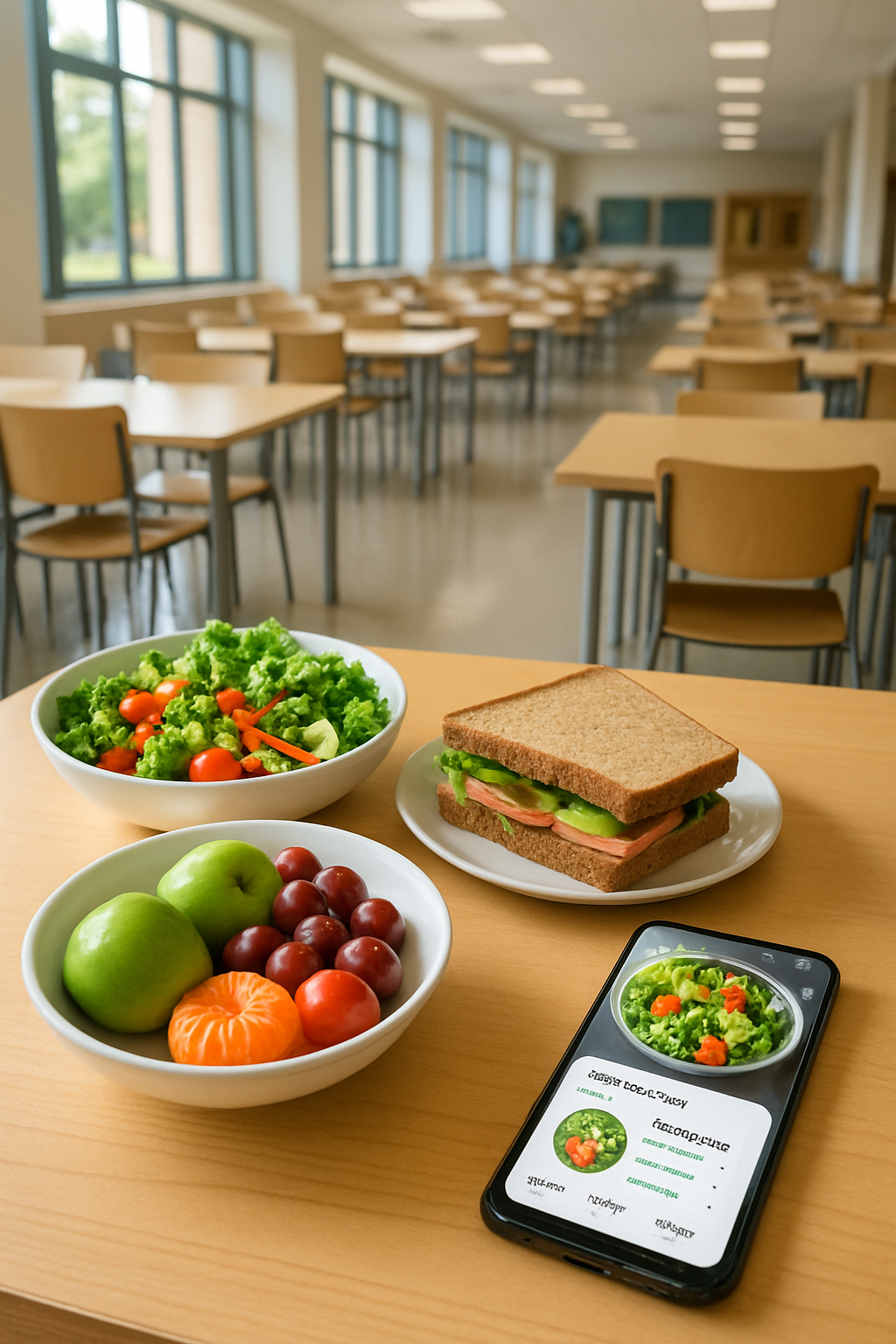
This is where technology becomes a powerful ally for proactive health management. SnapEat AI is a revolutionary AI nutrition app designed to eliminate the friction of tracking food intake. The concept is brilliantly simple: snap a photo of your meal, and the AI instantly analyzes it, providing a detailed breakdown of calories and nutrients.
Effortless Tracking for a Hectic Lifestyle
For a busy student, this is a game-changer. The 'snap, don't type' approach removes the tedious manual entry that causes most people to abandon food journaling. This ease of use encourages the consistency needed to build a lasting healthy habit, making it the ideal nutrition app for college students.
From Data to Decisions: Building Healthy Habits
SnapEat AI is more than just a tracker; it's a tool for self-awareness. By seeing their eating patterns laid out in a clear, visual format, students are empowered to make smarter choices. They can see if they're getting enough protein for energy, identify a lack of vitamins affecting their mood, and transform nutrition management from a chore into an insightful part of their daily routine.
Practical Ways Nutrition Tracking Enhances Campus Safety
Connecting a nutrition app to the grave concern of student safety requires a sensitive, practical perspective. It’s not about surveillance; it's about empowerment, connection, and creating a proactive culture of care.
Creating a Digital Wellness Baseline
When a student uses SnapEat AI consistently, they create a personal, private log of their well-being. This digital pattern—a photo of breakfast in the morning, lunch in the afternoon—is a data point of normalcy. A sudden, prolonged absence of this activity could, in a worst-case scenario, serve as an additional, non-intrusive signal that prompts a friend or family member to check in.
Fostering Self-Care and Independence
One of the most important aspects of how to stay safe on campus is empowering students to take ownership of their lives. Using a tool like SnapEat AI encourages active engagement in self-care. This fosters independence, responsibility, and a greater awareness of their own body and mind—critical life skills for navigating the world safely.
A Tool for Family Peace of Mind (with Consent)
For families seeking peace of mind, the app can offer a new way to connect. With a student's explicit permission, a parent could have shared access. This isn't about monitoring every bite, but about gaining a non-intrusive assurance that their child is eating regularly and maintaining a routine. It can transform a worried "Did you eat today?" text into a positive conversation starter.
Frequently Asked Questions (FAQ)
Can a nutrition app really improve student safety?
Indirectly, yes. While it's not a direct safety device, it promotes stable routines and healthy decision-making, which are foundational to personal safety. A consistent digital log of meals also creates a pattern of normalcy, and a break in that pattern can be an early indicator for friends or family to check in.
Is SnapEat AI difficult for a busy college student to use?
No, it was designed specifically for busy lifestyles. The core feature is taking a photo of your food. There is no manual data entry, making it the fastest and easiest way to maintain a food journal and understand your nutritional intake.
How does using an app like this respect a student's privacy?
A student's data is private by default. Any sharing features, such as with a parent or nutritionist, are strictly opt-in and require the student's explicit consent. The primary goal is to empower the individual with their own health data.
Conclusion: A Proactive Approach to Campus Well-being
Recent events on campuses nationwide are a powerful reminder that student health and safety is a multi-faceted issue. While no single app or technology is a magic solution, we must embrace all available tools to create a supportive environment. Integrating proactive health management into the safety conversation is a vital step forward. By empowering students with easy-to-use tools like SnapEat AI, we help them build a foundation of health, routine, and self-awareness—adding one more quiet, but powerful, layer to their safety net.
Ready to take a proactive step towards health and well-being on campus? Download SnapEat AI today and start building your foundation of wellness.