


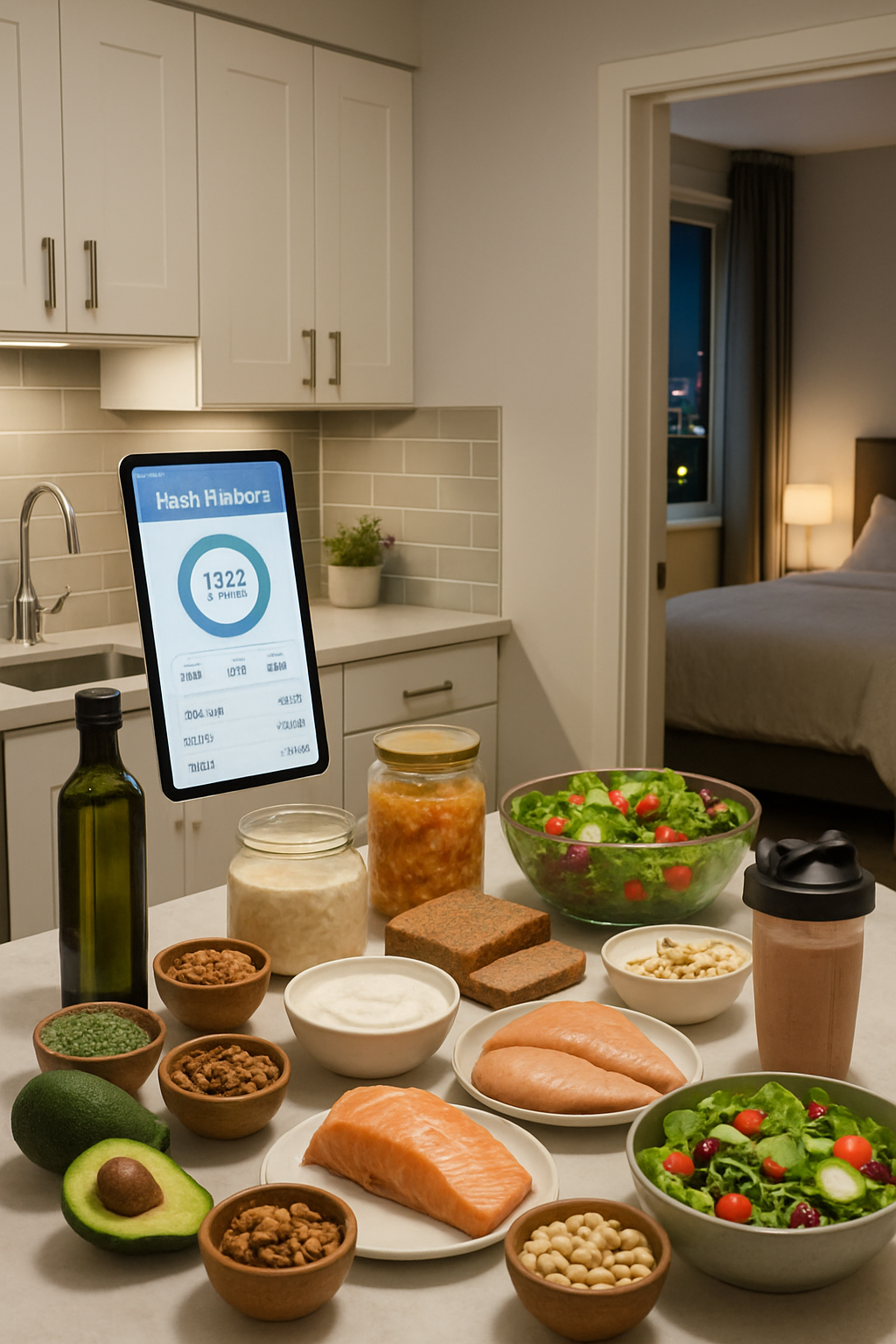
Fact #1: The 'Healthy' Food Calorie Conspiracy
You’ve been told to eat more healthy fats, nuts, and fruits. And that’s great advice! The problem? We often treat “healthy” as a synonym for “low-calorie,” which is one of the most common nutrition myths. The truth is, many of the healthiest foods contain hidden calories that can stall weight loss if ignored.
The Calorie-Dense Culprits:
- Avocado: A fantastic source of monounsaturated fats and fiber, but a single medium avocado can pack over 250 calories.
- Nuts and Seeds: A handful of almonds is a perfect snack, but it's easy for that “handful” to become 300-400 calories without you even noticing.
- Olive Oil: A cornerstone of the Mediterranean diet, but just one tablespoon is around 120 calories. That healthy salad dressing can quickly add up.
- Smoothies: Blending fruits and veggies is great, but adding multiple fruits, nut butters, and seeds can turn your 'healthy' breakfast into a 600-calorie dessert.
The Science: Understanding Energy Density
This all comes down to energy density. While these foods are packed with nutrients, they are also packed with energy (calories) in a small volume. For effective weight management, awareness is key.
Actionable Tip: Practice Mindful Portions
Don't eliminate these wonderful foods. Instead, practice portion control. Use measuring spoons for oil, count out your nuts, and be mindful of how much avocado you add. A food tracking app like SnapEat AI can be a game-changer here; a quick photo reveals the true calorie impact of your 'healthy' choices, empowering you to adjust.
Fact #2: Your Gut Is a Secret Second Brain Influencing Cravings
Struggling with unexplained sugar cravings and blaming a lack of willpower? The real culprit might be living inside you. The link between gut health and weight loss is a revolutionary field in nutrition science, revealing that your gut acts like a second brain.
The Science: The Gut-Brain Axis
Your digestive tract is home to trillions of bacteria, your gut microbiome. This ecosystem communicates directly with your brain via the gut-brain axis. An unhealthy microbiome, overgrown with “bad” bacteria, can send powerful signals to your brain demanding the sugary and processed foods they thrive on, making cravings feel irresistible.
Actionable Tip: Feed Your Good Bacteria
To win this battle, you need to nurture your “good” gut bacteria. Prioritize fiber-rich foods like vegetables, legumes, and whole grains (prebiotics). Incorporate fermented foods rich in beneficial bacteria (probiotics), such as Greek yogurt, kefir, kimchi, and kombucha. A diverse diet leads to a diverse—and healthier—microbiome that works with you, not against you.
Fact #3: Not All Calories Are Created Equal (The Protein Power-Up)
“A calorie is a calorie” is a dangerously oversimplified myth. While 100 calories of chicken and 100 calories of candy contain the same energy, your body processes them in vastly different ways, impacting your metabolism and hunger levels.
The Science: The Thermic Effect of Food (TEF)
The Thermic Effect of Food (TEF) is the energy your body uses to digest and process nutrients. Different macronutrients have dramatically different TEF values:
- Protein: 20-30% of its calories are burned during digestion.
- Carbohydrates: 5-10%
- Fats: 0-3%
Actionable Tip: Prioritize Protein in Every Meal
To leverage the thermic effect of food for weight loss, make lean protein the star of every meal. Aim for a palm-sized portion of chicken, fish, tofu, beans, or lentils. You'll not only enhance satiety but also give your metabolic rate a significant, natural boost.
Fact #4: Your Pillow Is Your Most Powerful Diet Tool
If you're asking, “why am I not losing weight eating healthy?”, the answer might be in your bedroom. You can have a perfect diet and workout plan, but poor sleep will sabotage your efforts by throwing your hunger hormones into chaos.
The Science: How Sleep Affects Appetite and Weight
Sleep deprivation creates a perfect storm for weight gain:
- Ghrelin (the “I'm hungry” hormone) skyrockets. Your brain receives constant hunger signals, even if your body doesn't need fuel.
- Leptin (the “I'm full” hormone) plummets. The voice that signals satiety is silenced, making you prone to overeating.
- Cortisol (the stress hormone) rises. Elevated cortisol increases cravings for high-fat, high-sugar foods and encourages your body to store belly fat.
Actionable Tip: Prioritize 7-9 Hours of Quality Sleep
Treat sleep as a critical component of your health plan. Create a relaxing bedtime routine, avoid screens an hour before bed, and ensure your bedroom is a dark, cool sanctuary. Quality sleep is one of the most effective tools for regulating appetite and making healthier food choices effortlessly.
Frequently Asked Questions (FAQ)
Why am I not losing weight even though I eat healthy?
This is a common frustration and can be due to several 'stranger things': consuming too many hidden calories in 'healthy' but energy-dense foods like nuts and oils, an imbalanced gut microbiome driving sugar cravings, or poor sleep disrupting your hunger-regulating hormones (ghrelin and leptin).
What are the worst 'healthy' foods for weight loss?
There are no 'bad' foods, but some require strict portion control. These include large fruit-heavy smoothies, excessive use of olive oil and salad dressings, large handfuls of nuts and seeds, and oversized portions of avocado. While nutritious, their high calorie density can easily lead to a calorie surplus.
How does protein help you lose weight?
Protein aids weight loss in two key ways. First, it has a high Thermic Effect of Food (TEF), meaning your body burns up to 30% of its calories just by digesting it. Second, it is the most satiating macronutrient, helping you feel full for longer and reducing overall hunger and cravings.
Conclusion: Navigate the Nutritional 'Upside Down' with Confidence
The world of nutrition is more complex than it seems. From the hidden calories in healthy food and the influence of your gut microbiome to the metabolic power of protein and the hormonal impact of sleep, these 'stranger things' have a profound effect on your health journey.
But this knowledge is empowering. By understanding these hidden forces, you can make smarter, more informed choices that lead to real results. You can finally understand why progress may have stalled and how to fix it.
Ready to uncover the strange truths in your own diet? Start by paying attention to these four factors. Use smart tools like SnapEat AI to get a clear picture of your portion sizes and macronutrient balance. It's time to turn the nutritional 'Upside Down' right side up and take definitive control of your health.