


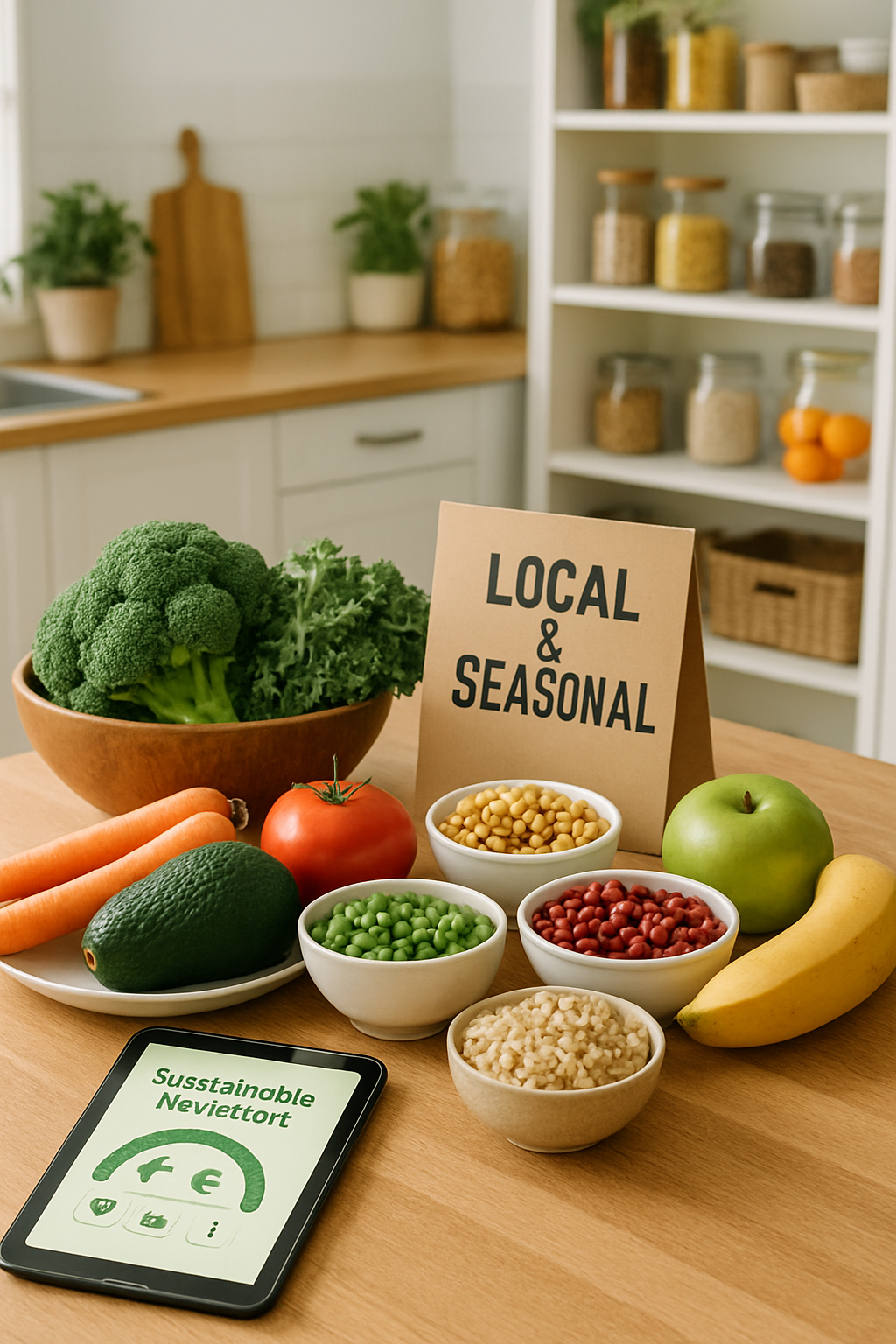
The Plate-Planet Connection: Why Your Diet is a Powerful Tool for Change
It's easy to feel like our individual choices are just a drop in the ocean. But when it comes to food, those drops create a tidal wave of impact. In fact, according to the UN, global food systems account for over one-third of all greenhouse gas emissions. This is the plate-planet connection: what we eat directly affects the health of our world.
Understanding Your Food's Environmental Footprint
Every item on your plate has an environmental story. This story includes its carbon footprint (emissions from production and transport), its water usage, and the land required to grow it. For example, producing one kilogram of beef generates significantly more emissions and requires more resources than a kilogram of lentils. Understanding this core concept empowers you to view your diet as a vital part of a larger ecological system.
What Exactly is Sustainable Nutrition?
An eco-friendly diet isn’t about rigid rules or deprivation. It’s a mindful, flexible approach to eating that prioritizes:
- Foods with a lower environmental impact (more plants, less meat).
- Strategies to actively minimize food waste.
- Support for local and seasonal food systems when possible.
The best part? The principles of a planet-friendly diet align perfectly with what nutritionists recommend for personal health. A diet rich in fruits, vegetables, whole grains, and legumes is a win for your body and a win for the Earth.
4 Actionable Steps for an Eco-Friendly Diet
Ready to make a change but not sure where to start? Here are four practical, high-impact strategies to build a more sustainable diet, starting today.
1. Embrace Plant-Forward Eating
"Plant-forward" doesn't require you to go fully vegan overnight. It simply means making plants the star of your plate. Animal products can still be part of your diet, but they become the supporting cast. This single shift dramatically reduces your food's carbon footprint.
- Simple Swaps: Try a lentil bolognese instead of beef, use mushrooms for a "meaty" taco filling, or commit to "Meatless Mondays."
2. Master the Art of Minimizing Food Waste
Nearly a third of all food produced is wasted, releasing potent greenhouse gases in landfills. Fighting food waste starts in your kitchen.
- Plan Your Meals: Use a tool like SnapEat AI to plan meals for the week before you shop.
- Shop Your Kitchen First: Before buying new groceries, see what you can make with ingredients you already have.
- Love Your Leftovers: Turn leftover roasted vegetables into a frittata, soup, or grain bowl.
3. Prioritize Local and Seasonal Produce
Food that travels thousands of miles carries a heavy carbon price tag. Shopping for local and seasonal produce reduces these "food miles," supports your community's farmers, and guarantees you're eating food at its peak freshness and nutritional value.
4. Make Mindful Protein Choices
While all protein is essential, not all sources are created equal. In terms of environmental impact, plant-based proteins are the clear winners. When you do eat animal protein, consider this general hierarchy (from lowest to highest impact):
Plant-Based Proteins (Lentils, Beans, Tofu) → Fish/Poultry → Pork → Lamb/Beef
Making small shifts down this list is a powerful way to lower your diet's impact.
SnapEat AI: Your Partner in Sustainable Nutrition
Knowing what to do is the first step; putting it into consistent practice is the real challenge. That's where SnapEat AI transforms your journey from overwhelming to empowering, turning your sustainable intentions into daily actions.
From Awareness to Action with a Single Snap
By simply snapping a photo of your meals, SnapEat AI helps you create a visual diary of your eating habits. This makes it easy to see where you're already succeeding and where you can make more planet-friendly food choices without judgment or tedious manual entry.
Track Your Plant-Forward Progress
Curious how plant-forward your diet really is? By logging meals, you get a clear picture of your animal vs. plant-based food ratio. This data empowers you to set and achieve goals, like increasing your intake of vegetables or trying more plant-forward meal ideas.
Smart Meal Planning to Eliminate Food Waste
The meal planning features in SnapEat AI are a game-changer for reducing food waste. Plan your week's meals within the app, automatically generate a shopping list, and ensure you only buy what you need. No more forgotten vegetables wilting in the back of your fridge!
Frequently Asked Questions (FAQ)
Q1: Do I have to be vegan to have a sustainable diet?
A: Absolutely not! While a vegan diet has a very low carbon footprint, a "plant-forward" approach that reduces, rather than eliminates, animal products is also highly effective and often more sustainable for people long-term.
Q2: How can I eat sustainably on a budget?
A: Focus on cooking at home, planning meals to avoid waste, and embracing budget-friendly plant proteins like lentils, beans, and oats. Buying produce that is in-season is often cheaper as well.
Q3: What is the single most impactful change I can make?
A: For most people, reducing consumption of red meat (especially beef and lamb) and minimizing food waste are the two most impactful changes you can make to lower your diet's environmental footprint.
Your Pledge for a Healthier You and Planet
Celebrating Día de la Tierra, or any day, is about adopting habits that create a better future. The food we eat is one of the most personal and powerful ways to contribute. This Earth Day, we challenge you to make one small pledge: try a new plant-based recipe, plan your meals for a week, or simply start tracking your food to become more mindful.
Whatever you choose, you don’t have to do it alone. Let SnapEat AI be your trusted partner, providing the tools, insights, and inspiration to build a diet that truly nourishes you and the world around you. Download the app and start your journey today!