


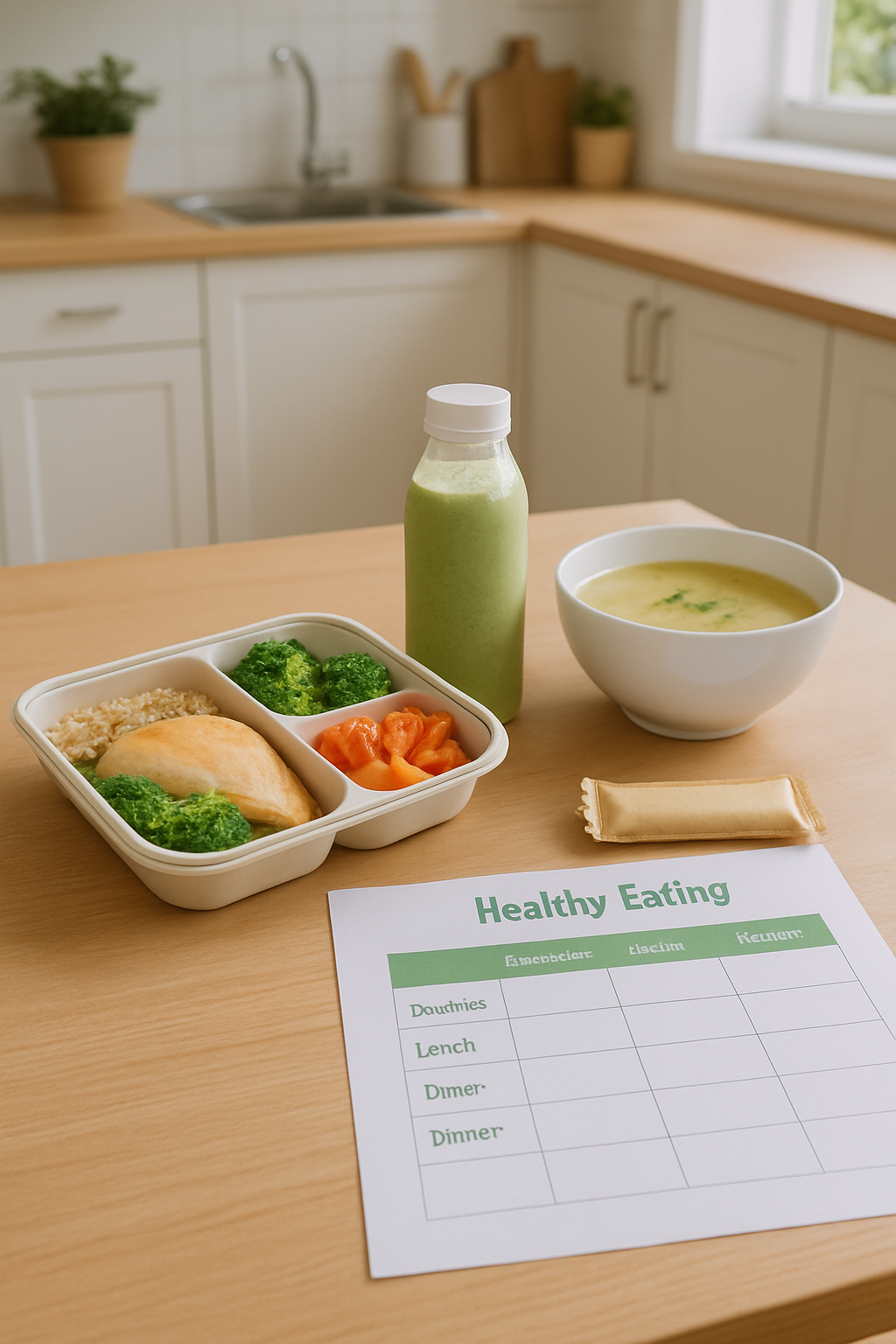
What is Sustainable Weight Loss?
Sustainable weight loss is a balanced approach where an individual loses approximately 0.5 to 1 pound (about 0.25 to 0.5 kg) per week. This steady pace is achieved through consistent, healthy habits rather than extreme measures. Unlike rapid weight loss, this method focuses on long-term health and is manageable without constant medical oversight.
The Dangers of Rapid Weight Loss
Methods promising rapid results are often labeled as very low-calorie diets (VLCDs), crash diets, or extreme fasting. While the allure of losing more than 2 pounds (1 kg) a week is strong, these approaches are often unsustainable and carry significant risks.
How a Modern Approach Works
A smart, sustainable approach is favored by individuals and health experts aiming for lasting results. The focus is on creating a moderate calorie deficit that the body can adapt to without triggering a severe stress response. This is where modern tools like SnapEat AI become invaluable. Unlike drastic diets that are only suitable for short-term, medically supervised use, a technology-assisted approach empowers users to build habits that last a lifetime.
Individuals who lose weight rapidly are significantly more prone to regaining it. The body perceives drastic calorie cuts as a threat, triggering hormonal responses that slow metabolism and increase hunger once the diet ends. SnapEat AI helps you avoid this by creating a personalized, gradual plan.
Examining Traditional Dieting Methods
Very Low-Calorie Diets (VLCDs): Consuming as little as 800 calories daily, often through meal replacements like shakes or bars, can lead to quick losses of 3 to 5 pounds weekly. However, this is a highly restrictive method that should only be done under a doctor's supervision, typically for short periods before medical procedures. It is not a practical or safe long-term strategy for most people.
Low-Calorie Diets (LCDs): These diets, which typically range from 1,000 to 1,600 calories daily, are less extreme than VLCDs. While safer, manually tracking intake to ensure you receive adequate nutrition can be challenging. An app like SnapEat AI simplifies this, acting as a smart calorie counter to ensure you meet your goals without the guesswork, making an LCD approach more manageable and effective.
Time-Restricted Eating & Intermittent Fasting: Strategies like the 16:8 method or the 5:2 diet limit eating to specific windows. While some studies suggest benefits, success hinges on consuming adequate nutrients within the eating period. SnapEat AI can help you track your meals during your eating window, ensuring you’re not just fasting, but also nourishing your body properly to support your goals.
Fad Diets: Many popular fad diets rely on severe calorie restriction or the elimination of entire food groups. They often lack scientific backing and are rarely sustainable. Once you stop, the weight often returns because healthy habits were never formed. SnapEat AI promotes a balanced diet, providing personalized nutrition guidance to help you build a positive, long-term relationship with food.
The Role of Exercise
In a sustainable weight loss plan, exercise is not an afterthought—it's a cornerstone. Physical activity helps build lean muscle, which boosts metabolism and improves overall health. Your SnapEat AI coach can sync with your health data to adjust your nutritional targets based on your activity level, ensuring your body is properly fueled for both weight loss and fitness.
Health Benefits of a Steady Approach
A gradual, sustainable approach to weight loss, as facilitated by SnapEat AI, offers comprehensive health improvements beyond the number on the scale. These include enhanced management of blood sugar levels, lower cholesterol, and healthier blood pressure, all contributing to long-term well-being.
Potential Health Concerns of Rapid Dieting
Losing weight too quickly is not safe for most people and should be avoided without professional guidance. The risks are substantial, as rapid weight loss can lead to the loss of muscle mass, bone density, and vital water reserves. Common side effects include fatigue, nausea, constipation, and an increased risk of developing gallstones. Furthermore, the quick regain of weight, known as weight cycling, can put additional stress on your body. This approach is generally unsafe for teens, pregnant women, and older adults.