


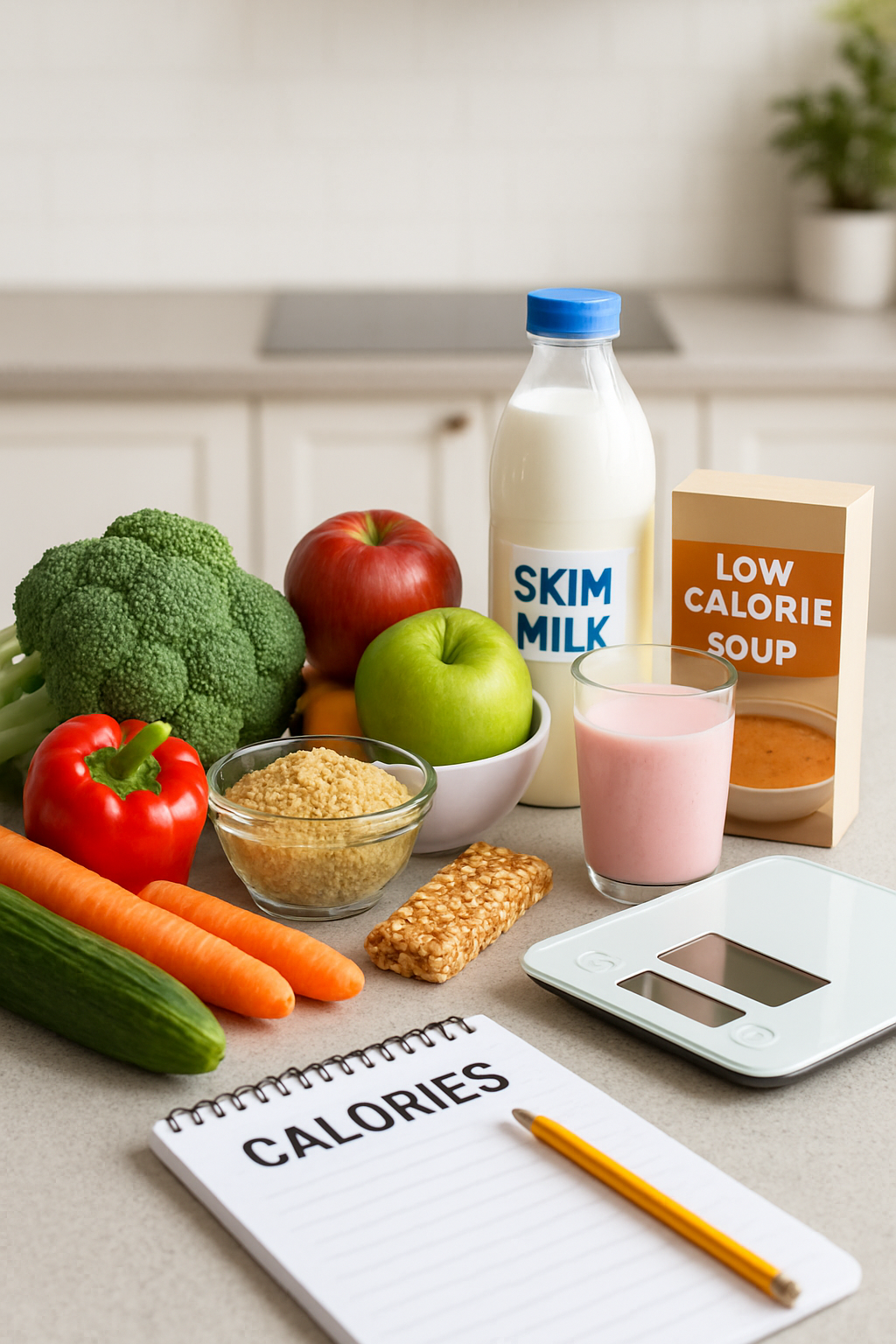
What is Sustainable Weight Loss?
Sustainable weight loss is a process where you aim to lose no more than 1 to 2 pounds (0.5 to 1 kilogram) per week over an extended period. Unlike rapid weight loss, this approach focuses on building healthy, long-term habits. To achieve this, a consistent and moderate calorie deficit is required, a process made simple with tools like SnapEat AI.
The Pitfalls of Rapid Weight Loss Diets
Diets promising rapid results often involve extreme calorie restriction. While they might offer quick initial changes, they are rarely sustainable and carry significant risks. These diets are not typically recommended by health professionals for unsupervised, long-term use.
Individuals who lose weight too quickly are far more likely to regain it. The body perceives drastic weight loss as a stressor, triggering hormonal responses that slow metabolism and increase appetite, making it difficult to maintain the loss once the diet is relaxed.
Very Low-Calorie Diets (VLCDs)
A VLCD typically restricts intake to 800 calories or less per day. While it can lead to a loss of 3 to 5 pounds (1.5 to 2 kg) per week, these diets should only be undertaken for short durations under strict medical supervision, often in preparation for a medical procedure. They rely on meal replacements to ensure basic nutrient intake but are not a viable long-term strategy for the general population.
Low-Calorie Diets (LCDs)
Allowing for 1,000 to 1,600 calories daily, LCDs are a slightly more moderate approach but still require careful management to ensure nutritional needs are met. While safer than VLCDs, achieving a balanced intake without proper tools can be challenging, and the risk of rebound weight gain remains if old habits return.
How SnapEat AI Revolutionizes Weight Management
SnapEat AI offers a modern, intelligent solution to the challenges of weight management. As your all-in-one AI coach, it empowers you to move beyond the cycle of crash dieting and build lasting habits for a healthier life.
Effortless Calorie Tracking
Forget tedious manual entry. With SnapEat AI, you simply snap a photo of your meal, and our advanced AI recognizes the food and calculates the calories and nutritional information. Our smart calorie counter makes tracking your intake seamless and accurate, giving you a clear picture of your daily consumption without the hassle.
Personalized AI Coaching
SnapEat AI is more than just a tracker; it's your personal nutrition guide. The app provides personalized insights and recommendations based on your meals and goals. It helps you understand your eating patterns and make smarter food choices, offering the kind of supportive guidance necessary for long-term success.
Setting Achievable Goals
The key to sustainable weight loss is setting realistic targets. SnapEat AI allows you to set your weight loss goals and then helps you track your progress over time. Seeing your achievements, no matter how small, provides the motivation to stay consistent on your journey.
The Importance of a Balanced Approach
Effective weight loss is about more than just cutting calories; it's about balanced nutrition. Fad diets often eliminate entire food groups, leading to deficiencies. SnapEat AI helps you monitor not just calories but also macronutrients, ensuring your body gets the protein, fats, and carbs it needs to function optimally while you lose weight.
The Role of Consistency Over Intensity
Lasting change comes from consistency, not short bursts of extreme effort. Instead of focusing on intense, unsustainable workout plans that can accompany crash diets, a steadier approach is better. SnapEat AI helps you maintain consistency in your diet and can sync with your other health apps to give you a complete overview of your activity levels and progress, reinforcing healthy daily routines.
Health Benefits of a Managed Approach
Using a tool like SnapEat AI to achieve gradual, controlled weight loss delivers significant health benefits beyond the number on the scale. A managed approach helps improve:
- Your relationship with food
- Energy levels and mood
- Long-term management of blood pressure and cholesterol
Potential Health Concerns of Unmanaged Diets
Embarking on a restrictive diet without guidance can be unsafe. Losing more than 2 pounds a week can lead to the loss of muscle mass and bone density, not just fat. Other potential side effects of rapid weight loss include:
- Gallstones
- Fatigue and irritability
- Nutrient deficiencies
- Constipation or diarrhea
Rapid weight loss diets are generally not considered safe for adolescents, pregnant women, or older adults unless specifically recommended and supervised by a healthcare provider. Always consult with a professional before starting any significant new diet plan.