


The Pitfalls of Rapid Weight Loss
A rapid weight loss plan is one where you lose more than 2 pounds (lb) or 1 kilogram (kg) per week over several weeks. Achieving this requires a very low calorie intake. These strategies are often sought by individuals wanting quick results, but they are rarely recommended by health professionals for long-term success. Anyone on such a diet should be monitored by a provider, as rapid weight loss can be unsafe if done independently.
These diets are intended for short-term use, typically not lasting more than a few weeks. The challenge is that individuals who lose weight very quickly are significantly more prone to regaining it over time compared to those who lose weight gradually through sustainable dietary changes and physical activity. Rapid weight loss places considerable stress on the body, triggering a stronger hormonal response that slows metabolism and promotes weight regain once the diet is relaxed or stopped.
Very Low-Calorie Diets (VLCDs)
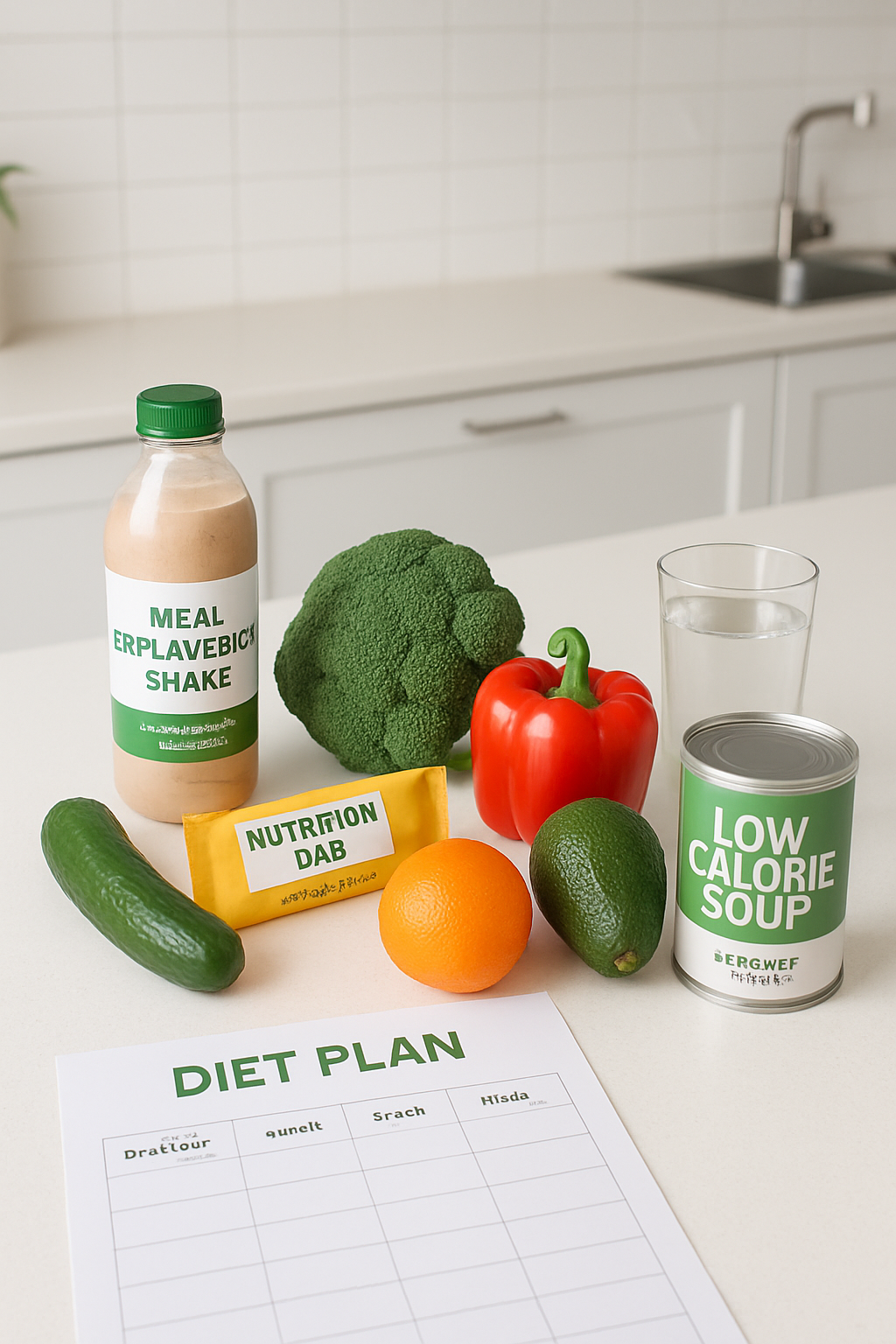
In a VLCD, daily intake can be as low as 800 calories, leading to a loss of 3 to 5 lbs (1.5 to 2 kg) per week. Most VLCDs rely on meal replacements like shakes, bars, and soups instead of conventional food to ensure nutrient requirements are met. A VLCD is typically reserved for adults with obesity who need to lose weight for medical reasons, such as before a surgery. Experts advise against using a VLCD for over 12 weeks and always under medical supervision.
Low-Calorie Diets (LCDs)
These diets generally permit around 1,200 to 1,500 calories daily for women and 1,500 to 1,800 for men. An LCD is a more viable option than a VLCD for most people aiming for quick results, but it should still be supervised. While the weight loss is not as fast as a VLCD, an LCD can achieve comparable total weight loss more sustainably. LCDs often combine meal replacements with regular food, making them easier to adhere to.
Time-Restricted Eating
This dietary approach has gained significant popularity. It involves limiting your eating to a specific window each day. A common method is the 16:8 plan, where you consume all meals within an 8-hour period, such as from 10 a.m. to 6 p.m., and fast for the remaining 16 hours. Some studies suggest this can induce rapid weight loss, but long-term data on weight maintenance is still limited.
Intermittent Fasting
Fasting is a traditional method of caloric restriction that has seen a recent resurgence, partly due to studies showing benefits for individuals with diabetes and obesity. There are various fasting schedules, with the 5:2 system being one of the most popular. This involves two days of fasting or VLCD eating per week and five days of normal eating. Diets that include fasting can lead to rapid weight loss.
The Fad Diet Trap
Many fad diets severely restrict calories to promise rapid weight loss. These diets can be unsafe and are almost always unsustainable for achieving long-term results. Once you abandon the diet, you are highly likely to regain the weight if you revert to old eating patterns. For most individuals, a safer and more effective approach is a diet that results in a gradual loss of 0.5 to 1 lb (225 to 500 grams) per week.
How SnapEat AI Offers a Smarter Path
Instead of resorting to extreme measures, SnapEat AI provides the tools for a balanced and sustainable journey. Our all-in-one AI coach helps you recognize food, track progress, and sync your health data, making weight management intelligent and personalized.
The Role of Smart Tracking
Rapid weight loss is primarily about drastic calorie reduction, not exercise. With SnapEat AI, you shift the focus to smart, informed calorie management. By simply snapping a picture of your meal, our AI acts as a calorie intake calculator and smart counter, removing the guesswork and manual effort. You can discuss with your provider what type of exercise is appropriate, but our app helps you start building a sustainable nutritional foundation immediately.
Health Benefits of a Sustainable Approach
A steady approach to weight loss is especially beneficial for individuals with health issues related to obesity. By using SnapEat AI to lose weight gradually, you can see significant improvements in:
- Diabetes
- High cholesterol
- High blood pressure
Avoiding Potential Health Risks
Losing more than 1 or 2 lbs (0.5 to 1 kg) a week is not advisable for most people and should only be done under professional guidance. It can lead to the loss of muscle, water, and bone density. Quick weight loss may also trigger side effects, including:
- Gallstones
- Gout
- Fatigue
- Constipation
- Diarrhea
- Nausea
Individuals who lose weight rapidly are also more likely to regain it just as quickly. SnapEat AI promotes a healthier pace, which is generally safe for most adults. A rapid weight loss diet is not safe for children and may also be unsafe for teens, pregnant women, or older adults unless specifically recommended by a provider. If you have a health condition, it is always best to consult with your provider before starting any new diet plan.