


What is Sustainable Weight Loss?
Sustainable weight loss is a strategy where you aim to lose no more than 1 to 2 pounds (0.5 to 1 kilogram) per week over an extended period. To achieve this, you create a consistent, moderate calorie deficit. This approach focuses on building long-term habits rather than drastic, short-term changes.
The Pitfalls of Rapid Dieting
Diets promising quick results are often chosen by individuals seeking immediate change. However, these methods are rarely recommended by health experts. People who lose weight very quickly are significantly more likely to regain it over time compared to those who adopt a slower, more balanced approach. The body perceives rapid weight loss as a major stressor, triggering a strong hormonal response that slows metabolism and increases the likelihood of weight regain once the diet is relaxed or stopped.
Very Low-Calorie Diets (VLCDs)
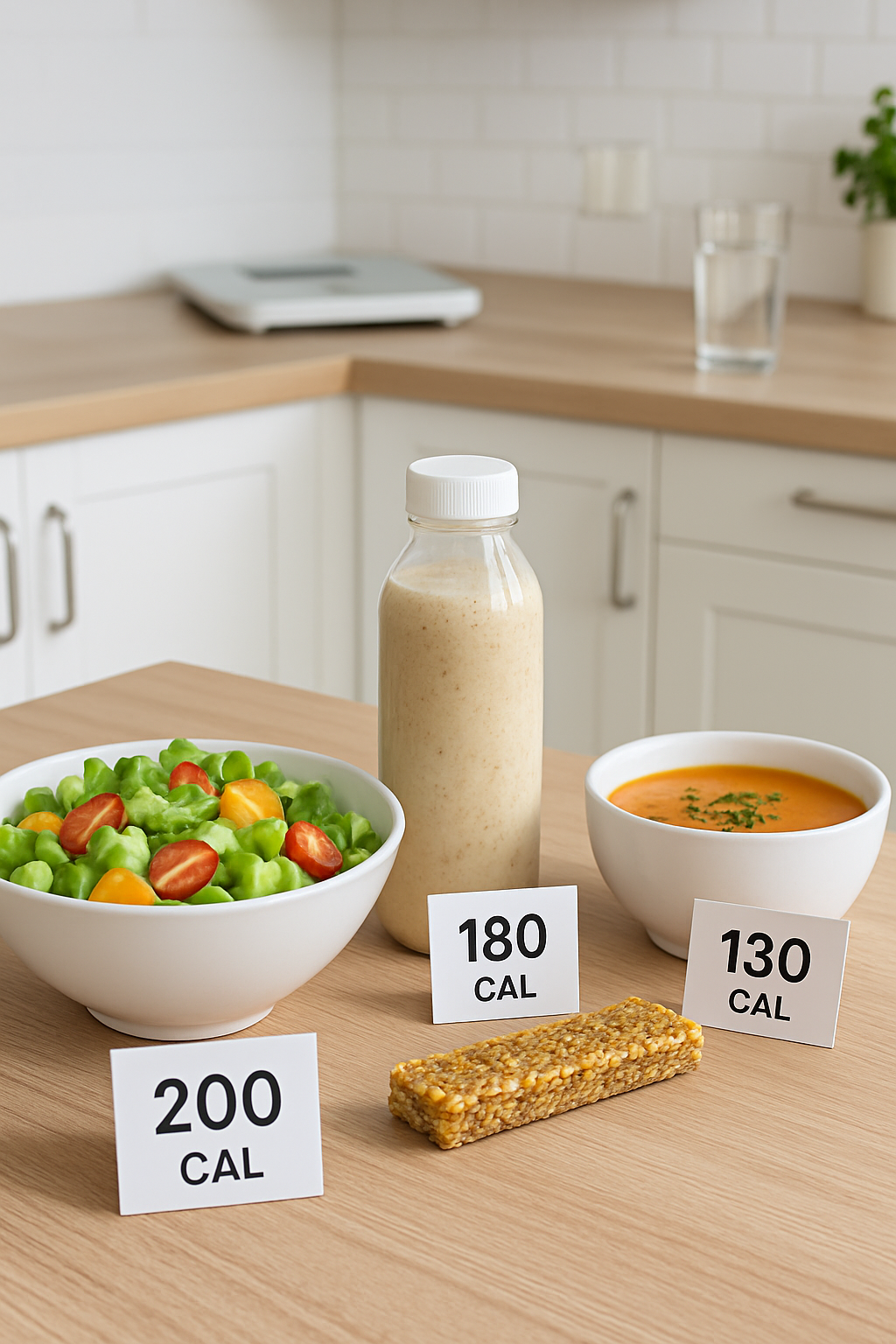
With a VLCD, you might consume as few as 800 calories daily, potentially losing 3 to 5 pounds weekly. These often rely on meal replacements like shakes or bars. A VLCD is typically reserved for individuals with obesity who require rapid weight loss for medical reasons and should only be undertaken under strict professional supervision for a short duration.
Low-Calorie Diets (LCDs)
These diets generally permit 1,000 to 1,600 calories per day. While an LCD is a more moderate choice than a VLCD, it still requires careful management to ensure nutritional needs are met. An LCD might blend meal replacements with regular food, making it slightly more manageable, but it doesn't solve the core issue of building sustainable habits.
How SnapEat AI Offers a Smarter Solution
Instead of resorting to extreme calorie restriction, SnapEat AI provides an intelligent, sustainable path to weight management. It acts as your all-in-one AI coach, empowering you with data and insights to make informed decisions without the stress of traditional dieting.
Effortless Food Recognition and Tracking
SnapEat AI revolutionizes calorie counting. Simply take a picture of your meal, and our advanced AI recognizes the food, estimates portion sizes, and logs your caloric and nutritional intake. This removes the tedious manual entry required by other methods, making consistency achievable.
Personalized Guidance over Strict Rules
Fad diets offer a one-size-fits-all solution that often fails. SnapEat AI is different. It functions as your personal nutrition coach, analyzing your eating patterns and providing personalized recommendations. It helps you understand your macronutrient balance and suggests healthier alternatives, guiding you toward your goals without rigid, unsustainable rules.
Building Lasting Habits with AI
The ultimate goal is not just weight loss but a healthier lifestyle. SnapEat AI helps you monitor your progress, sync your health data, and understand the connection between your diet and your well-being. By providing clear feedback and celebrating milestones, the app encourages the development of positive habits that last a lifetime. Unlike rapid diets, which end abruptly, SnapEat AI supports an ongoing journey toward better health.
The Health Benefits of a Steady Approach
Using a smart tool like SnapEat AI for gradual weight loss is designed for people who want sustainable results. This balanced method can help improve:
- Overall energy levels
- Nutrient intake and balance
- A healthier relationship with food
- Long-term weight maintenance
Potential Health Concerns of Rapid Loss
You should only follow a rapid weight loss plan under the guidance of a healthcare provider. Losing more than 1 to 2 pounds a week is not considered safe for most people. It can lead to the loss of muscle, water, and bone density. Rapid weight loss may also introduce side effects, including:
- Gallstones
- Fatigue and irritability
- Constipation or diarrhea
- Nausea
Individuals who lose weight rapidly are also prone to regaining it quickly. If you have any existing health conditions, it is always best to consult with your provider before starting any weight loss program. SnapEat AI is designed to support a safe, effective, and sustainable journey recommended by health professionals.