


What is Rapid Weight Loss?
Rapid weight loss is defined as losing more than 2 pounds (about 1 kilogram) per week over an extended period. This accelerated loss is typically achieved by drastically reducing calorie intake to a very low level.
The Drawbacks of Quick-Fix Diets
These diets are often pursued by individuals seeking fast results. However, they are rarely recommended by health professionals for long-term success. While the initial drop on the scale can be motivating, it's often not sustainable. People who lose weight this quickly are far more likely to regain it over time compared to those who adopt a slower, more measured approach through balanced diet changes and physical activity. The body perceives rapid weight loss as a significant stressor, triggering a strong hormonal response that slows metabolism and increases hunger, making weight regain almost inevitable once the diet stops.
Common Methods for Rapid Weight Loss
Several popular diet strategies are built around severe caloric restriction. It's important to understand how they work and their potential downsides.
Very Low-Calorie Diets (VLCD)
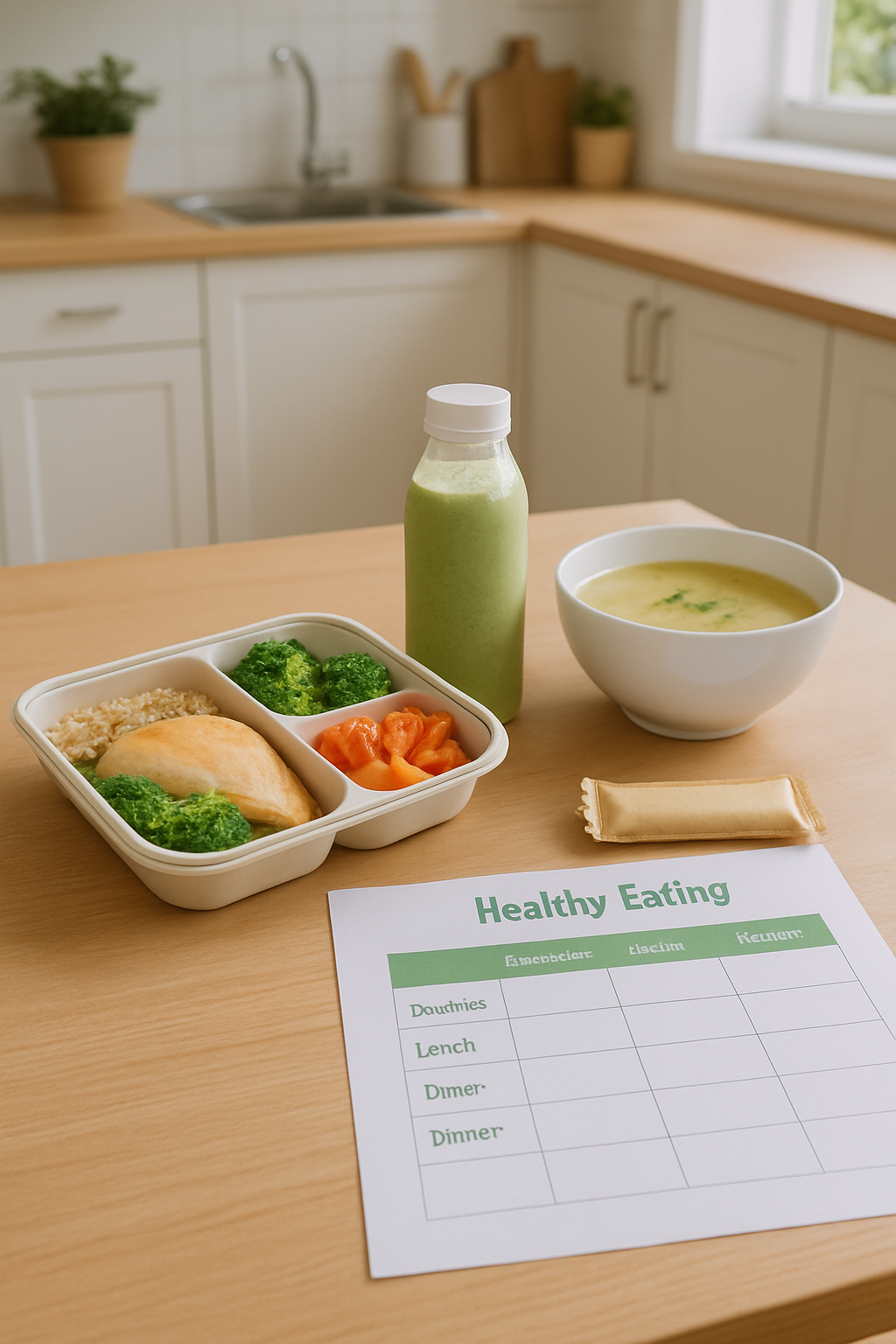
On a VLCD, daily intake might be as low as 800 calories, leading to a loss of 3 to 5 pounds per week. These diets heavily rely on meal replacement shakes, soups, and bars to ensure essential nutrient intake. A VLCD should only be undertaken for short periods under strict medical supervision, often in preparation for a medical procedure, and is not a recommended strategy for the general population.
Low-Calorie Diets (LCD)
Slightly less restrictive, LCDs typically allow 1,000 to 1,200 calories for women and 1,200 to 1,600 for men. While you may not lose weight as fast as on a VLCD, it's considered a safer approach for quick results, though professional guidance is still advised. LCDs often combine meal replacements with regular food, making them somewhat easier to follow.
Time-Restricted Eating and Intermittent Fasting
These strategies are gaining popularity. Time-restricted eating involves confining all your daily meals to a specific window, such as the 16:8 method (fasting for 16 hours, eating during an 8-hour window). Intermittent fasting might involve more structured fasting days, like the 5:2 plan (eating normally for 5 days and consuming very few calories on 2 non-consecutive days). While some studies show these methods can induce rapid weight loss, their long-term sustainability is still under review.
A Smarter Alternative: Sustainable Tracking with SnapEat AI
Instead of resorting to extreme measures, a more intelligent and lasting solution lies in understanding and managing your current eating habits. This is where SnapEat AI transforms your journey. As your all-in-one AI coach, SnapEat AI empowers you to move away from guesswork and unsustainable diets.
By simply snapping a photo of your meal, our advanced AI recognizes the food and provides an instant calorie and nutrient breakdown. This smart calorie counter allows you to:
- Track Meals Effortlessly: No more manual logging. Just snap, and let the AI do the work.
- Understand Your Habits: Gain clear insights into your daily intake and nutritional patterns.
- Set Realistic Goals: Work with your AI coach to establish achievable weight loss targets.
- Receive Personalized Guidance: Get tailored advice to make healthier choices that fit your lifestyle.
The Role of Balanced Nutrition and Exercise
Sustainable weight loss is about more than just cutting calories; it's about creating a balanced lifestyle. While SnapEat AI excels at helping you manage your nutrition, pairing it with regular physical activity is key to maximizing your results. Talk with a health professional to find an exercise routine that complements your dietary changes, helping you build strength and boost your metabolism as you progress on your journey.
The True Benefits of Healthy Weight Management
Losing weight at a safe, steady pace offers benefits that go far beyond the number on the scale. For individuals managing health conditions related to weight, a sustainable approach can significantly improve:
- Blood sugar control
- Cholesterol levels
- Blood pressure
More importantly, it builds a foundation for lifelong health and well-being.
Potential Health Risks of Extreme Dieting
Embarking on a rapid weight loss plan without professional guidance can be risky. Losing more than 1-2 pounds a week can lead to the loss of muscle mass, water, and bone density, not just fat. It can also trigger a host of negative side effects, including:
- Gallstones
- Fatigue and lethargy
- Constipation or diarrhea
- Nausea
Furthermore, the high probability of rapid weight regain can create a frustrating cycle of yo-yo dieting that negatively impacts your metabolism and overall health. In general, rapid weight loss diets are not considered safe for children, teenagers, pregnant women, or older adults unless specifically recommended and monitored by a healthcare provider. Always consult with a professional before starting any new diet plan to ensure it's the right choice for you.