


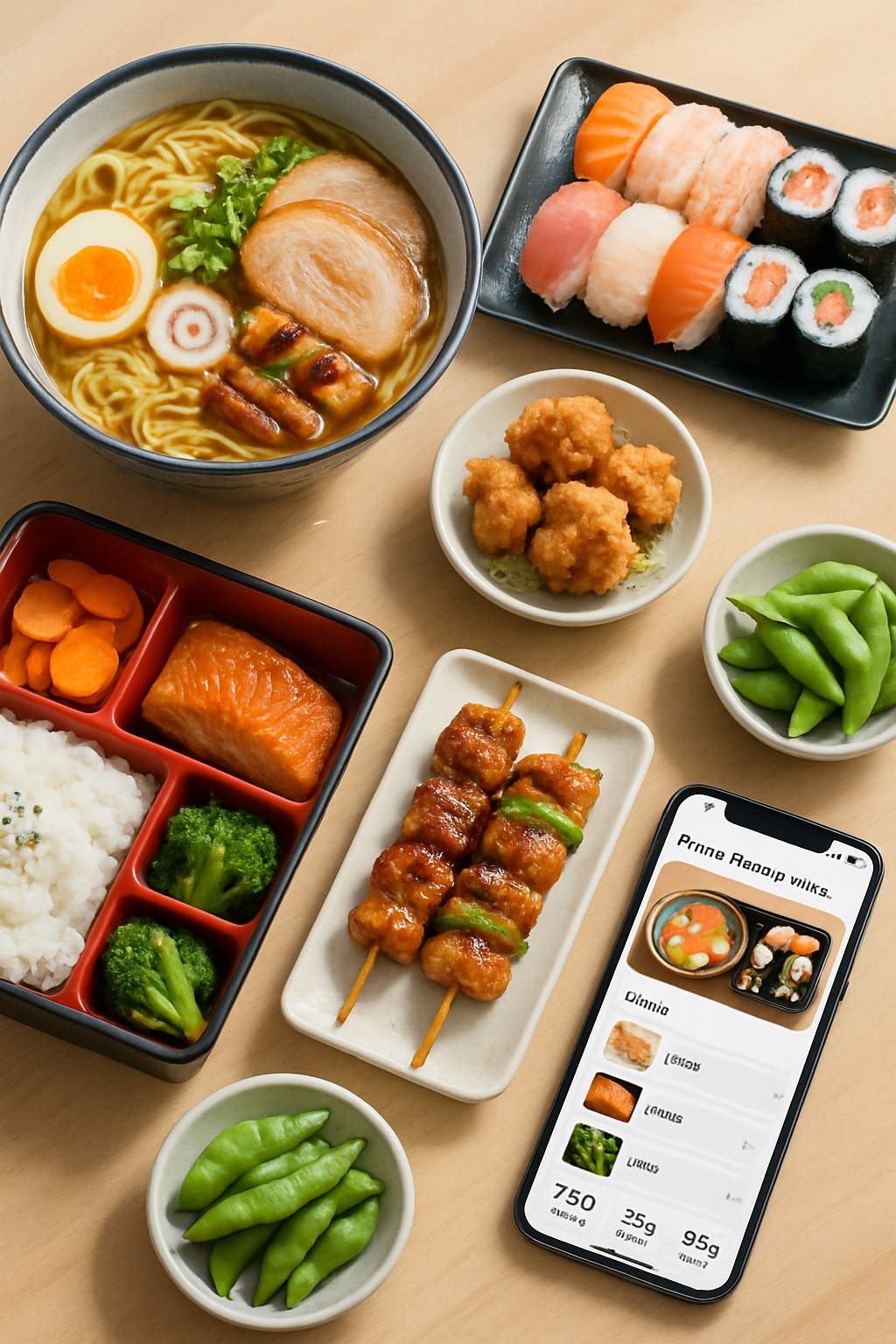
The "Healthy" Myth: Unpacking the Real Nutrition of Japanese Food
Many assume all Japanese food is inherently healthy. While a traditional diet is rich in fresh fish (omega-3s), fermented foods (miso, natto), and vegetables, modern popular dishes can be deceiving. Understanding this balance is the first step to smart eating.
- The Good Stuff: The foundation is excellent, built on nutrient-dense ingredients like fish, seaweed, and various vegetables that support overall wellness.
- The Hidden Challenges: Be mindful of high sodium in soy sauce and ramen broth, refined carbohydrates in white rice, high fat from deep-fried items like tempura and katsu, and hidden sugars in sauces like teriyaki.
Awareness isn't about avoidance; it's about making informed choices. This is where a reliable Japanese food calorie tracker becomes an essential tool.
Why Tracking Japanese Meals is Hard (And How AI Makes It Easy)
If you've ever tried manually logging a bowl of ramen into a standard fitness app, you know the frustration. The language barrier and complex ingredients in dishes like bento boxes make it nearly impossible. This is the problem SnapEat AI was designed to solve.
The solution is revolutionary in its simplicity: Just snap a photo of your meal.
Using advanced AI image recognition and a vast database tailored for Japanese cuisine, SnapEat AI instantly identifies the food and provides an accurate breakdown of its calories, protein, carbs, and fats. A tedious chore becomes an effortless, two-second action, allowing you to track Japanese meals seamlessly.
A Practical Guide: Tracking Popular Japanese Dishes with AI
Let's break down how to use this technology for Japan's most iconic foods.
Tracking Ramen Calories and Nutrition
A steaming bowl of Tonkotsu ramen is comfort food, but its creamy pork broth and fatty chashu can easily pack 800-1,200 calories and a full day's worth of sodium. By snapping a photo, SnapEat AI logs all components, giving you a clear picture.
Healthier Tip: Use the app's insights to choose a lighter shio (salt-based) or shoyu (soy-sauce-based) broth next time, which can significantly cut down on calories and fat.
Tracking Sushi & Sashimi for a Lean Meal
Sushi can be a fantastic high-protein, low-fat meal. Lean sashimi (raw fish) and simple nigiri are excellent choices. However, rolls filled with tempura and drizzled with spicy mayo are far more calorie-dense. SnapEat AI helps you instantly see the difference, empowering you to make informed decisions at the sushi bar.
Decoding the Bento Box
The ultimate convenience meal, a bento box seems balanced, but its contents can be a nutritional mystery. Snap your bento, and SnapEat AI instantly provides a breakdown of the entire meal—from the grilled salmon and rice to that small, tempting piece of fried karaage chicken. It's the perfect way to stay on track on a busy day in Japan.
Navigating Izakaya (Japanese Pub) Small Plates
Izakayas are all about sharing small plates. It's easy to lose track. Use SnapEat AI to log dishes as they arrive. Choose wisely: grilled yakitori (chicken skewers) and edamame are great protein sources, while fried dishes like karaage and tempura should be enjoyed in moderation. The app helps you build a balanced meal from many small parts.
Beyond Calories: Mastering Your Macros and Micronutrients
A successful health journey is about more than just calorie counting. SnapEat AI provides the detailed data you need for complete nutritional management.
- Track Your Macros: Ensure you're getting enough protein to support workouts and manage carb intake for fat loss goals. The app provides a clear macronutrient breakdown.
- Monitor Micronutrients: Keep an eye on important metrics like sodium and sugar intake to support your long-term wellness and heart health.
- Identify Dietary Patterns: Your food diary becomes a powerful tool. Review it to see where you're succeeding and identify small, sustainable changes for long-term health.
Enhance Your Cultural Experience with Mindful Eating
Using a calorie counting app for Japanese food does more than track nutrients; it deepens your cultural connection. When you snap a photo of a new dish, the app helps you identify it and its ingredients. You start learning the names of foods and appreciating the culinary craft. Your food log transforms into a personal culinary journal of your adventures, turning mindful eating into an act of discovery.
Frequently Asked Questions (FAQ)
Is Japanese food good for weight loss?
It can be! Focus on protein-rich sashimi, grilled fish, edamame, and miso soup. Limit white rice, fried tempura, and rich ramen broths. Tracking with an app is key to staying in a calorie deficit.
What is the lowest calorie Japanese food?
Sashimi (especially tuna and scallop), edamame, seaweed salad (goma-ae without too much dressing), and clear soups (suimono) are typically the lowest in calories.
How do you count calories in a bento box?
Manually, it's very difficult. The easiest and most accurate method is to use a photo-based food tracker like SnapEat AI, which can identify and analyze each component of the bento box for you.
Conclusion: Eat, Snap, and Thrive on Your Japanese Adventure
You don't have to choose between indulging in one of the world's greatest cuisines and staying committed to your health. By providing a simple, visual, and intelligent way to track Japanese meals, SnapEat AI empowers you to eat with confidence and joy. It's the ultimate tool for anyone wondering how to track calories in Japan without the stress.
Ready to start your delicious and healthy journey?
Download SnapEat AI today and turn your next meal into a moment of discovery.