


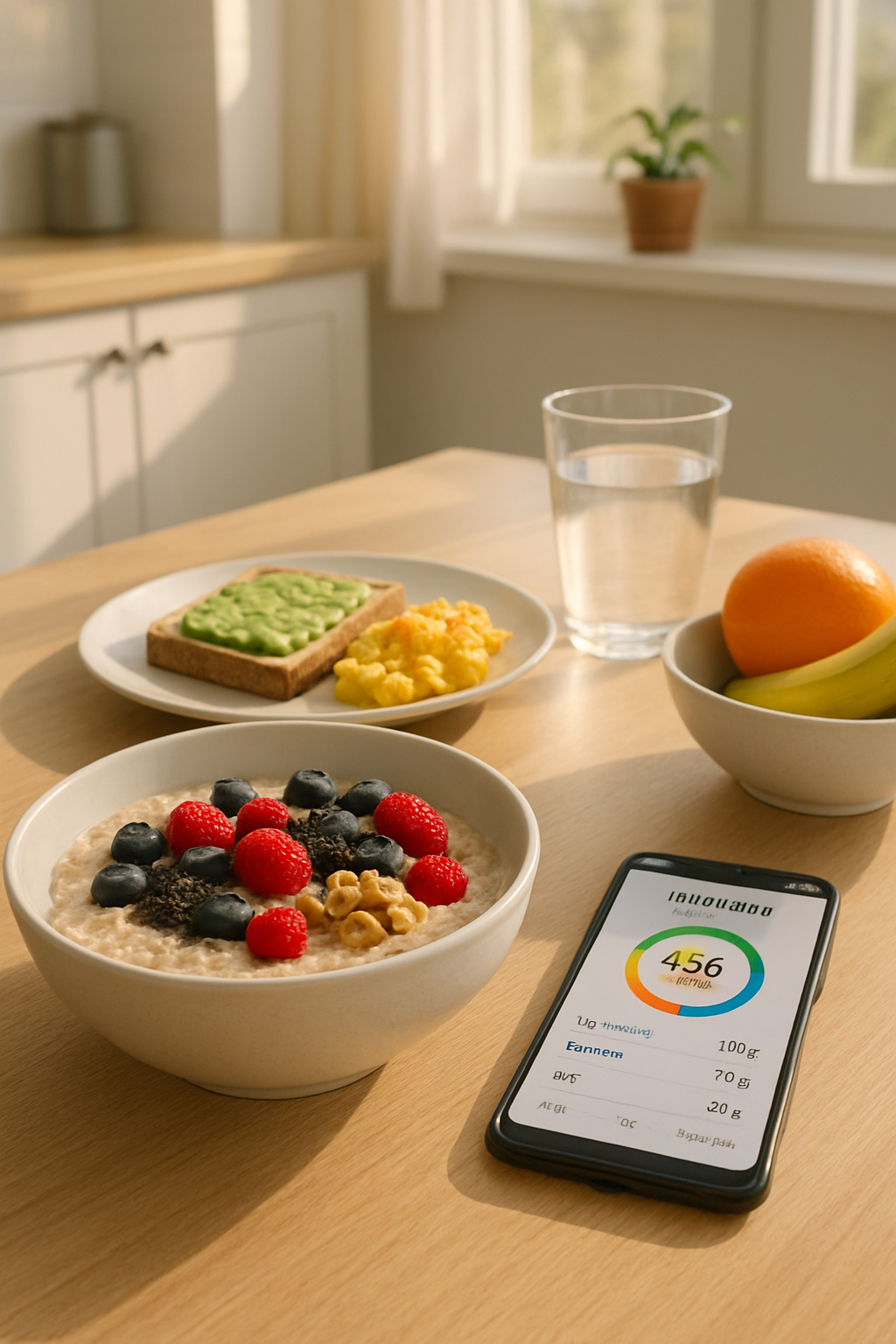
Why Your Sahur Meal is the Cornerstone of a Successful Fast
Think of your Sahur meal as the high-quality fuel you put in your car for a long journey. The quality of that fuel determines your energy and performance throughout the day. From a nutritional science perspective, a well-planned Sahur is critical for providing sustained energy, preventing the blood sugar crashes that lead to fatigue and headaches. It's also your final opportunity to hydrate and stabilize your metabolism, preventing your body from entering an extreme starvation mode that often leads to overeating at Iftar.
The Ideal Sahur: A Balance of Macronutrients
A perfect Sahur isn’t about volume; it’s about nutritional balance. Aim to include these three core components:
- Complex Carbohydrates: For slow-release energy that lasts for hours. Examples include oats, whole-wheat bread, brown rice, and quinoa.
- Lean Protein: To promote satiety (the feeling of fullness) and preserve muscle mass during your fast. Eggs, Greek yogurt, lentils, and chicken are excellent choices.
- Healthy Fats: For long-term energy and nutrient absorption. Avocado, nuts, and seeds are fantastic additions.
Common Sahur Mistakes to Avoid
Many people inadvertently sabotage their fast with poor food choices. Avoid these common pitfalls that lead to thirst and energy slumps: simple sugars (like in sugary cereals and pastries), refined carbs (white bread), deep-fried foods, and excessively salty dishes. These can leave you feeling sluggish and dehydrated just a few hours into your fast.
How SnapEat AI Solves the Sahur Tracking Challenge
Understanding what to eat is one thing, but tracking it at 4 AM is another. This is where technology offers an effortless solution. SnapEat AI is a revolutionary nutrition app designed to help you track your Sahur meals with zero friction. The process is brilliantly simple:
- Snap: Take a photo of your meal with your phone.
- Track: Our powerful AI instantly analyzes the image, identifies the food items, and provides a detailed breakdown of calories, protein, carbs, and fats.
This 'snap and track' advantage is a game-changer during Ramadan. Instead of tedious manual logging, a quick photo provides the consistency needed to understand your eating patterns and make precise adjustments to achieve your Ramadan health goals. You'll move beyond just calorie counting to see the true nutritional quality of your food at a glance.
A Practical Guide to Using SnapEat AI This Ramadan
Ready to join the #tungtungtungsahur movement? Here’s your step-by-step guide to integrating SnapEat AI into your daily routine for optimal results.
Step 1: Set Your Ramadan Health Goals
Before Ramadan begins, open the app and define your primary objective. Do you want to manage your weight, ensure stable energy for work and worship, or maintain muscle mass? A clear goal gives your tracking purpose.
Step 2: The Morning Ritual – Snap Your Sahur Plate
Just before you eat, take a quick photo of your prepared meal. That’s it. The app handles the analysis while you focus on your meal and morning prayers. This simple act is the key to effortless meal tracking for Sahur.
Step 3: Review the AI-Powered Analysis & Adjust
Later in the day, review the nutritional breakdown. This data-driven feedback is invaluable. You might notice your protein was low, explaining why you felt hungry early. The next day, you can add an extra egg or a scoop of yogurt to hit your target. This is how you use data to optimize your fast.
Ready to take control of your nutrition? Download SnapEat AI now and transform your approach to healthy eating this Ramadan.
Achieve Your Health Goals with Data-Driven Insights
Using SnapEat AI isn't just about collecting data; it's about achieving tangible results and building lasting habits beyond the holy month.
- For Weight Management: Effortlessly see your caloric intake to mindfully adjust portion sizes at Sahur and Iftar, helping you maintain a healthy calorie deficit or balance without feeling deprived.
- For Sustained Energy: If you're tired every afternoon, your Sahur data might reveal a need for more complex carbs. Use the app to validate that your chosen healthy Sahur ideas meet your energy needs.
- For Muscle Maintenance: Fasting can risk muscle loss if protein intake is inadequate. SnapEat AI helps you ensure you’re hitting your protein targets to protect your lean muscle mass.
Frequently Asked Questions (FAQ) about Healthy Fasting
What should I eat for Sahur to not feel hungry?
Focus on a combination of lean protein (eggs, yogurt), healthy fats (avocado, nuts), and high-fiber complex carbohydrates (oatmeal, whole-wheat bread). This trio of macronutrients digests slowly, providing sustained energy and keeping you feeling full for longer.
How can I track my calories accurately during Ramadan?
Manual tracking is difficult and prone to error. An AI-powered app like SnapEat is the best app for tracking food in Ramadan because it automates the process. Simply snapping a photo of your Sahur and Iftar meals provides an accurate, effortless analysis of your calorie and nutrient intake.
What are some quick and healthy Sahur ideas for busy people?
Meal prep is key! Try overnight oats with protein powder, a pre-made smoothie with Greek yogurt and spinach, or hard-boiled eggs with a piece of whole-fruit and a handful of almonds. These options are nutritious and require minimal preparation in the morning.
Conclusion: Embrace a Smarter, Healthier Ramadan
This Ramadan, honor your body as well as your soul. A well-planned, nutritious Sahur is the foundation for a productive and spiritually fulfilling fast. With smart technology like SnapEat AI, achieving your health goals is easier than ever before. Stop guessing and start knowing. Take control of your nutrition, feel your best from sunrise to sunset, and make this a transformative month for your body and spirit.
Download SnapEat AI today and join the #tungtungtungsahur movement. Your healthiest Ramadan is just a snap away.