


The Champion's Plate: Core Nutrition Principles of UConn's Dynasty
An athlete's body is a high-performance engine; it demands premium fuel. The foundation of any elite athletic performance nutrition plan, like that of the UConn Huskies, rests on mastering macronutrients and timing.
Fuel for the Fire: Strategic Carbohydrates
Carbohydrates are the primary energy source for the high-intensity bursts required in sports. The key is using the right type at the right time.
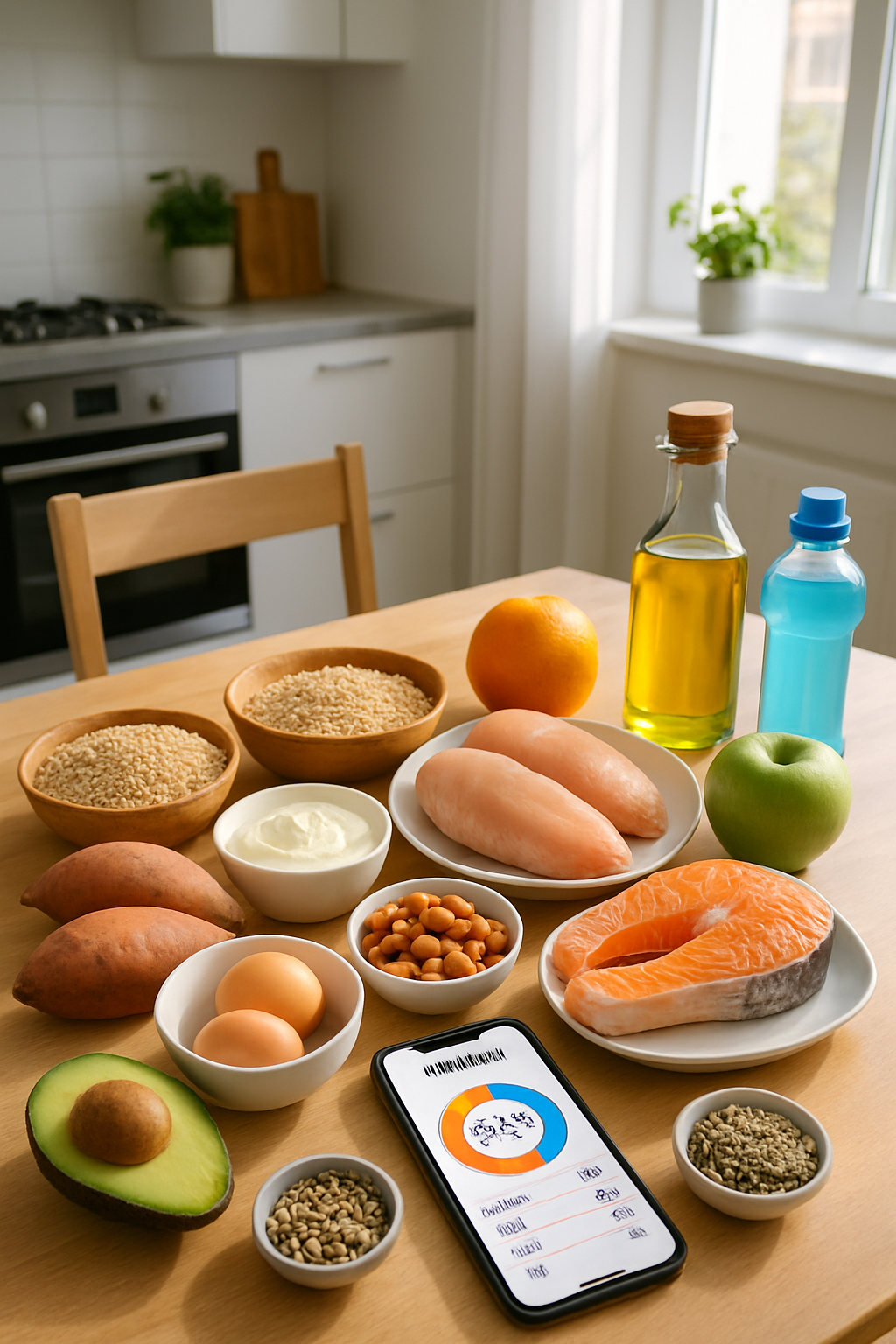
- Complex Carbs: Foods like oatmeal, brown rice, and sweet potatoes provide slow-release, sustained energy. They are the foundation for endurance through long practices and grueling games.
- Simple Carbs: Found in fruits and sports drinks, these offer a quick surge of energy, perfect for a pre-game boost or halftime refueling.
Repair and Rebuild: The Power of Protein
Every sprint and jump creates micro-tears in muscle fibers. Protein is the essential building block for repairing this damage, allowing you to return stronger. According to sports nutritionists, athletes should aim for 1.6-2.2 grams of protein per kilogram of body weight. Sources like lean chicken, fish, eggs, and Greek yogurt are critical for muscle synthesis and robust recovery.
Hydration and Healthy Fats: The Unsung Heroes
Elite performance isn't just about carbs and protein. Healthy fats from avocados, nuts, and olive oil are vital for reducing inflammation and supporting hormone production. Equally important is hydration. Dehydration can cripple performance, and maintaining optimal fluid intake is a non-negotiable for energy and focus.
The Performance Gap: Why 'Good Enough' Nutrition Fails Athletes
Many athletes believe they eat “pretty healthy.” But in the world of competitive sports, “pretty healthy” and “guesstimating” create a performance gap. Did you truly hit your protein target for recovery? Did your pre-game meal have enough carbs to prevent hitting a wall in the fourth quarter?
Manual calorie tracking is a noble effort, but it's often tedious, inaccurate, and demotivating for a busy athlete. These small, untracked nutritional deficits compound over time, leading to slower recovery, decreased energy, and a higher risk of injury. This is where precision becomes paramount.
The Game-Changer: Precision Tracking with SnapEat AI
This is where technology closes the gap. SnapEat AI is a revolutionary nutrition tracking app that swaps tedious manual logging for effortless, AI-powered analysis.
- Snap a photo of your meal.
- Our AI instantly analyzes the image, identifying food items and estimating portion sizes with remarkable accuracy.
- Your calories, carbohydrates, protein, and fat are automatically logged.
For an athlete, this AI nutrition tracker is a complete game-changer:
- Speed and Efficiency: Log a meal in seconds, perfect for a demanding training and travel schedule.
- Unmatched Accuracy: AI analysis minimizes the human error and guesswork that plague manual logs, giving you a true picture of your fuel intake.
- Data-Driven Insights: Finally, connect the dots. See how specific meals impact your energy levels and recovery. This isn't just data; it's performance intelligence.
- Total Accountability: A clear, visual record keeps you honest and motivated to hit your nutritional goals consistently.
Your 4-Step Playbook for a UConn-Level Nutrition Strategy
You don't need a university budget to fuel like a champion. Here's how to track nutrition for athletes and start optimizing your performance today.
- Define Your Goal: Are you building muscle in the off-season or maintaining peak condition for competition? Your goal dictates your nutritional targets.
- Establish Your Baseline: Use SnapEat AI to track everything you eat for one week without judgment. This gives you an honest, data-backed starting point.
- Analyze and Adjust: Review your reports. Are you consistently low on protein? Is your carb timing optimized around training? The data will illuminate your path forward.
- Optimize for Performance: Make small, informed changes. Add a protein shake post-workout. Swap a morning bagel for oatmeal. Use SnapEat AI to monitor the impact on your energy and on-court results.
Frequently Asked Questions (FAQ) about Athletic Nutrition
What is the best pre-game meal for a basketball player?
Aim for a meal 2-3 hours before tip-off that's high in complex carbohydrates, moderate in protein, and low in fat and fiber. A great example is grilled chicken with a large side of sweet potato and a glass of water.
Is an AI nutrition tracker more accurate than manual logging?
Yes. While no method is 100% perfect, AI trackers like SnapEat AI significantly reduce human error in both food identification and portion size estimation, which are the two biggest failure points of manual tracking.
How much protein does a student athlete really need?
For strength and power athletes, the general recommendation is 1.6-2.2 grams of protein per kilogram of body weight. Using a tracker helps ensure you meet this consistently for optimal muscle repair and growth.
Conclusion: Stop Guessing, Start Performing
The success of the UConn basketball dynasty is a masterclass in dedication. They prove that championships are won not just in the final seconds, but in the countless disciplined decisions made daily. Nutrition is a cornerstone of that discipline.
In the past, this level of precision nutrition was out of reach. Today, tools like SnapEat AI have democratized performance optimization. You no longer have to guess if you’re fueling your body correctly. Stop estimating and start knowing. Download SnapEat AI and begin fueling your body with the precision of a champion to unlock the competitor within.