


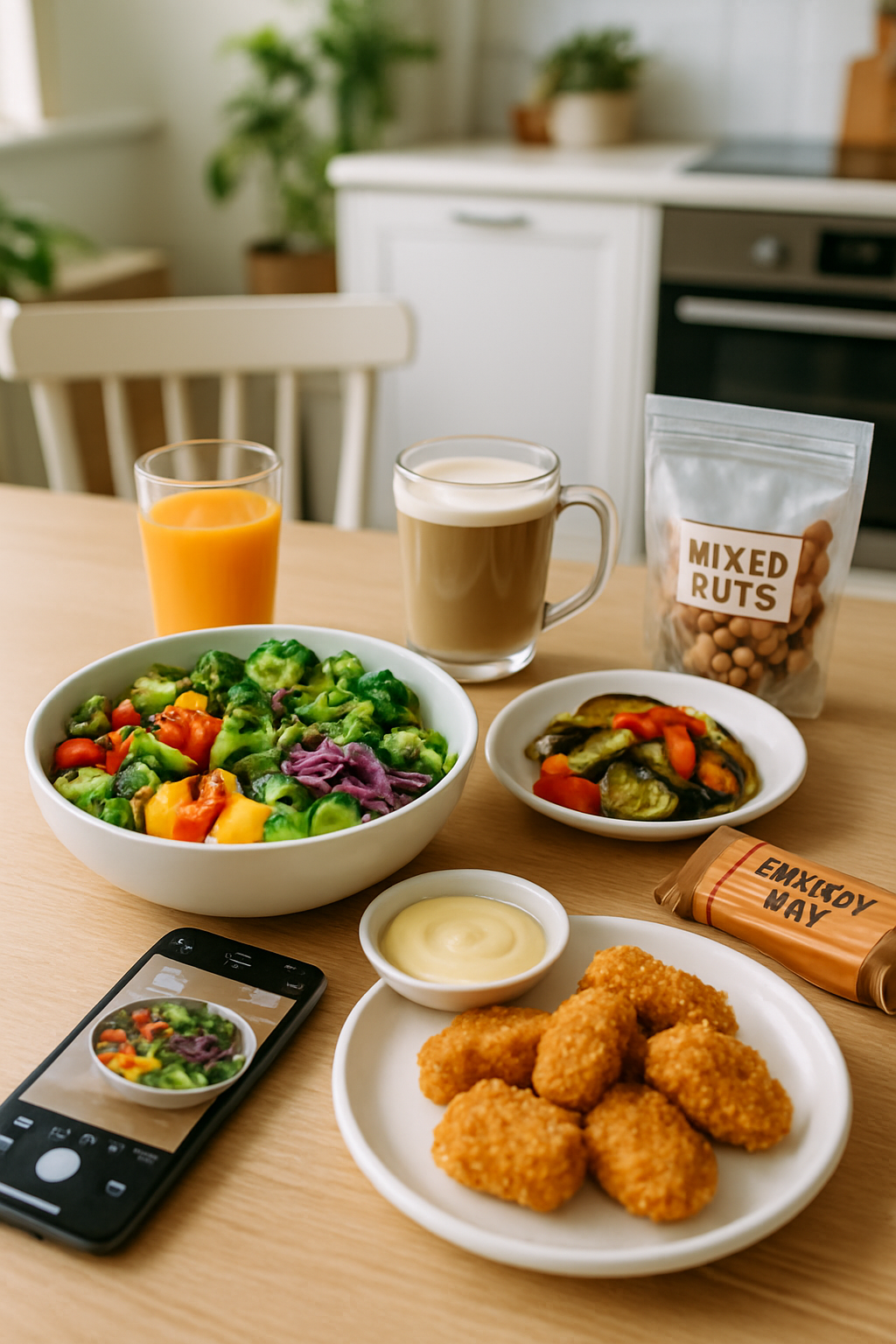
What Are “Dietary Easter Eggs”? Unmasking Hidden Calorie Saboteurs
In nutrition, a “Dietary Easter Egg” isn't a sweet treat; it’s any unexpected component in a meal that secretly adds significant calories, sugar, or fat. They are masters of disguise, turning a seemingly healthy choice into a roadblock for your weight loss journey. Recognizing them is the first step to taking back control.
The Sauce & Dressing Deception
That vibrant salad seems like the perfect healthy lunch, but its creamy Caesar or ranch dressing can pack over 150 calories and 15g of fat in just two tablespoons. Likewise, the sweet teriyaki glaze on your salmon or the BBQ sauce on your chicken can be loaded with hidden sugars, stalling your progress.
The Liquid Calorie Trap
It's easy to forget that drinks have calories. That morning vanilla latte, “all-natural” fruit juice, or post-workout smoothie can contain as much sugar as a soda, contributing hundreds of calories to your daily intake without making you feel full. This is a primary reason people wonder, “Why am I not losing weight on a healthy diet?”
The Cooking Method Culprit
The same food can have vastly different nutritional profiles based on how it's prepared. A breaded, deep-fried chicken cutlet absorbs a huge amount of oil compared to a lean, grilled breast. Even “healthy” roasted vegetables at a restaurant are often tossed in far more oil than you’d use at home, adding hundreds of hidden calories.
Portion Distortion & “Healthy” Snack Shams
Effective portion control is crucial. A handful of nuts is a great snack, but mindlessly eating from a large bag can add 500+ calories. Furthermore, many granola bars and “protein” cookies marketed as healthy are often packed with as much sugar and processed ingredients as a candy bar, making them a classic diet sabotage.
Why Manual Food Logging Fails (And What to Do About It)
Traditional food logging is notoriously difficult. Manually searching for every ingredient, guesstimating portion sizes, and remembering to log every sip is tedious and prone to error. Did you really use one tablespoon of olive oil, or was it three? This constant guesswork leads to inaccurate data and, inevitably, burnout. When you stop tracking, the hidden calories creep back in, and the plateau returns.
SnapEat AI: Your Personal AI Diet Detective
This is where technology changes the game. As the most advanced AI for tracking food, SnapEat AI eliminates the hard work. Instead of typing and guessing, you simply take a photo of your meal. Our AI then instantly:
- Identifies every food item on your plate.
- Estimates portion sizes with remarkable accuracy.
- Calculates the complete nutritional information (calories, protein, carbs, fats).
Benefit 1: Instantly Uncover the Easter Eggs
Because SnapEat AI analyzes the entire meal from a photo, it spots the hidden elements you'd forget to log manually—the oil on your vegetables, the cream in your soup, or the butter on your toast. It provides a complete, accurate nutritional picture, finally revealing the hidden calories that were holding you back.
Benefit 2: Build Consistency with Effortless Tracking
The biggest barrier to success is inconsistency. By making food logging as simple as taking a picture, SnapEat AI removes the friction. You can log a meal in seconds, empowering you to track progress effortlessly and gather the accurate data needed to make real changes.
A 5-Step Guide to Finding Hidden Calories with SnapEat AI
Ready to become a food detective? Here’s your practical guide to using our effortless calorie counting app to pinpoint the saboteurs in your diet.
- Step 1: Snap Everything. Commit to using the track diet with photos feature for every meal, snack, and drink for one week. The more data the AI has, the clearer your insights will be.
- Step 2: Review Your Daily Report. At the end of each day, analyze the nutritional summary. Did your calorie or sugar intake end up much higher than you thought? Identify the spike.
- Step 3: Pinpoint the Culprits. Dive into the meal-by-meal breakdown. Maybe you’ll discover your “healthy” smoothie was 450 calories, or the sauce with dinner added 25g of sugar. This is your “Aha!” moment—you’ve found a Dietary Easter Egg!
- Step 4: Adjust and Optimize. Knowledge is power. Now you can make an informed swap. Switch from a creamy dressing to a light vinaigrette, ask for sauces on the side, or opt for a black coffee instead of a sugary latte.
- Step 5: Track Your Progress and Celebrate Wins. Use the app's charts to see the positive impact of your small adjustments. Watching your trendlines improve is the ultimate motivation to continue your weight loss journey.
From Hidden Calories to Visible Progress
Breaking a weight loss plateau isn’t about deprivation; it's about knowledge. The frustrating mystery of “eating right but not losing weight” is almost always solved by uncovering the hidden calories you never knew you were consuming. By leveraging a revolutionary diet tracker app like SnapEat AI, you can stop guessing and start knowing. You can expose these dietary saboteurs, make simple but powerful adjustments, and finally see the results you’ve been working for.
Take the first step today. Start your own dietary Easter Egg hunt with SnapEat AI and discover the clarity and control you need to achieve your health goals.