


What Defines a Rapid Weight Loss Diet?
A rapid weight loss diet is any eating plan that results in losing more than 2 pounds (approximately 1 kilogram) per week over a period of several weeks. The core principle behind this accelerated weight loss is the consumption of very few calories, creating a significant energy deficit.
How Does It Function?
These diets are frequently adopted by individuals with obesity seeking to lose weight quickly for pressing health reasons. However, such plans are typically recommended for short-term use and require close monitoring by a healthcare provider due to potential risks. Rapid weight loss can be a substantial stressor on the body, triggering strong hormonal responses that can slow metabolism and lead to rapid weight regain once the diet is stopped or relaxed. This is why a slower, more sustainable approach is often superior for long-term success.
Very Low-Calorie Diets (VLCDs)
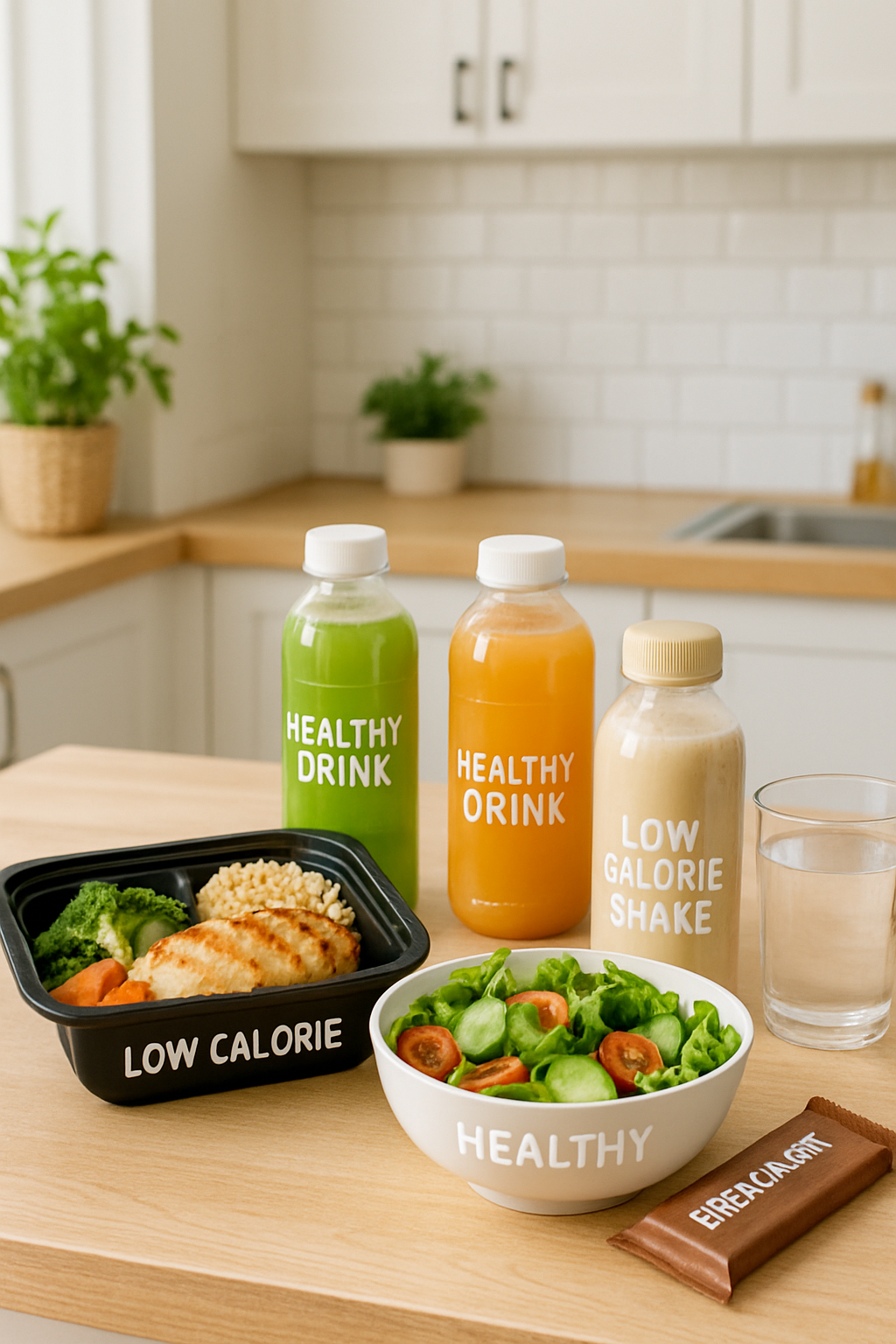
In a VLCD, daily caloric intake might be as low as 800 calories, potentially leading to a loss of 3 to 5 pounds (1.5 to 2 kg) per week. These diets often rely on meal replacement formulas, shakes, or bars to ensure essential nutrient needs are met. A VLCD is generally reserved for adults with obesity under strict medical supervision, often in preparation for surgery, and is typically not recommended for more than 12 weeks.
Low-Calorie Diets (LCDs)
LCDs are a less extreme alternative, typically allowing 1,000 to 1,200 calories daily for women and 1,200 to 1,600 for men. While the weight loss is not as fast as with a VLCD, an LCD can achieve similar long-term results more sustainably. For those on a medically approved LCD, a tool like SnapEat AI becomes indispensable for accurately tracking calories from a mix of meal replacements and regular foods, ensuring you meet your specific targets without guesswork.
Time-Restricted Eating and Intermittent Fasting
These strategies focus on *when* you eat, not just *what* you eat. Popular methods include the 16:8 plan (eating within an 8-hour window) or the 5:2 method (two days of very low-calorie intake per week). While these can lead to rapid weight loss, the underlying mechanism is still calorie reduction. SnapEat AI can help you monitor your total intake to ensure your fasting schedule translates into a real caloric deficit for effective results.
The Role of an AI Coach in Your Journey
Achieving rapid weight loss safely is all about precision calorie management, which can be challenging to do manually. This is where your all-in-one AI coach, SnapEat AI, transforms the process. Instead of tedious manual entry, you can simply snap a photo of your meal. The app’s advanced AI instantly recognizes the food, calculates the calories, and breaks down the macronutrients. This provides clear, data-driven insights into your daily consumption, helping you adhere to a structured plan with accuracy. By tracking your meals and progress, SnapEat AI empowers you and your healthcare provider to make informed decisions for a healthier, more controlled weight loss journey.
Potential Health Benefits
For individuals whose weight poses significant health risks, rapid weight loss under medical guidance can offer substantial benefits. It can lead to marked improvements in conditions such as:
- Diabetes
- High cholesterol
- High blood pressure
Possible Health Concerns and Risks
Embarking on a rapid weight loss diet without professional supervision is not recommended. Losing weight too quickly can lead to the loss of muscle, water, and bone density, rather than just fat. It can also trigger several adverse side effects, including:
- Gallstones
- Gout
- Fatigue
- Constipation
- Diarrhea
- Nausea
Furthermore, those who lose weight rapidly are far more likely to regain it quickly. A rapid weight loss diet is generally considered unsafe for children, teenagers, pregnant women, and most older adults unless specifically prescribed and monitored by a doctor. Always consult with a healthcare professional before starting any new diet plan to ensure it is safe and appropriate for you. SnapEat AI is a tool to support your goals, not a replacement for medical advice.