


Why Walking is Your Untapped Superpower for Health & Weight Loss
Before dismissing walking as 'not a real workout,' consider the science. This simple, low-impact exercise is a powerhouse of benefits for both body and mind, making it a cornerstone for anyone looking to build healthier habits.
The Physical Payoffs: More Than Just Steps
The benefits of daily walking are immense. It's a proven tool for walking for weight loss, helping you create a sustainable calorie deficit and gently boost your metabolism. Unlike high-impact exercises, it's kind to your joints, making it perfect for all fitness levels and ages. Regular walking significantly improves cardiovascular health by lowering blood pressure, reducing harmful cholesterol levels, and enhancing circulation, cutting the risk of heart disease.
The Mental Gains: Walk Away from Stress
Feeling stressed or overwhelmed? A brisk walk is one of the most effective natural remedies. It helps lower cortisol (the stress hormone) and releases endorphins, your body’s natural mood elevators. This contributes directly to improved mental wellness, providing greater clarity and often sparking creativity. It’s a moving meditation.
The Secret to Sustainability: A Habit That Sticks
The best exercise is the one you actually do consistently. Walking is free, requires no special equipment, and can be integrated into your day effortlessly. A walk during your lunch break, a stroll after dinner, or choosing the stairs—it all adds up. This accessibility makes it one of the easiest healthier habits to build and maintain for life.
From a Casual Stroll to a Purposeful Stride: Your Walking Plan
Ready to get started? The key is to begin where you are and progress gradually. Here's how to start walking for fitness without feeling overwhelmed.
Find Your Starting Point
If you're new to fitness, don't aim for 10,000 steps on day one. Start with a manageable goal, like a 15-20 minute walk each day. The goal is to build momentum, not burn out.
Consistency Over Intensity
A daily 20-minute walk is far more effective for habit formation than one heroic 2-hour hike on the weekend. Consistency is what signals to your body and mind that this is a new part of your lifestyle, allowing your body to adapt and grow stronger.
How to Progress Your Walking Routine
Once you're comfortable, you can gently increase the challenge to keep seeing results:
- Duration: Add 5 minutes to your walk each week.
- Frequency: Increase your walks from 4 times a week to 5, 6, or even daily.
- Intensity: Pick up the pace to a brisk walking speed (where you can still talk but are slightly breathless). Alternatively, find a route with inclines or hills to engage more muscles and increase your calorie burn.
You Can't Out-Walk a Bad Diet: Fueling Your Journey
Exercise is only half the equation. Your nutritional choices are what fuel your progress, repair your body, and amplify the results of your walks. To achieve a healthy weight, you need a slight calorie deficit, and that's where smart nutrition and walking work in perfect synergy.
The Best Foods to Eat Before and After Walking
- Pre-Walk: For walks under 45 minutes, water is usually all you need. For longer, more intense walks, a small, easily digestible carbohydrate snack (like a banana or a handful of dates) 30-60 minutes prior can provide a welcome energy boost.
- Post-Walk: The best food to eat after walking is a combination of protein (to repair muscle tissue) and carbohydrates (to replenish your energy stores). Excellent choices include a Greek yogurt with berries, a small chicken salad, a hard-boiled egg, or a protein shake.
Hydration is Non-Negotiable
Water is critical for energy, metabolism, and overall function. Dehydration can be mistaken for hunger and lead to fatigue. Sip it throughout the day, especially before, during, and after your walks to stay energized.
Meet Your Digital Companion: Supercharge Your Habits with SnapEat AI
This is where your journey gets smarter. Studies show that people who track their food intake are twice as likely to achieve their weight loss goals. However, manual logging is tedious. SnapEat AI changes the game by acting as your personal AI nutrition coach.
What is SnapEat AI?
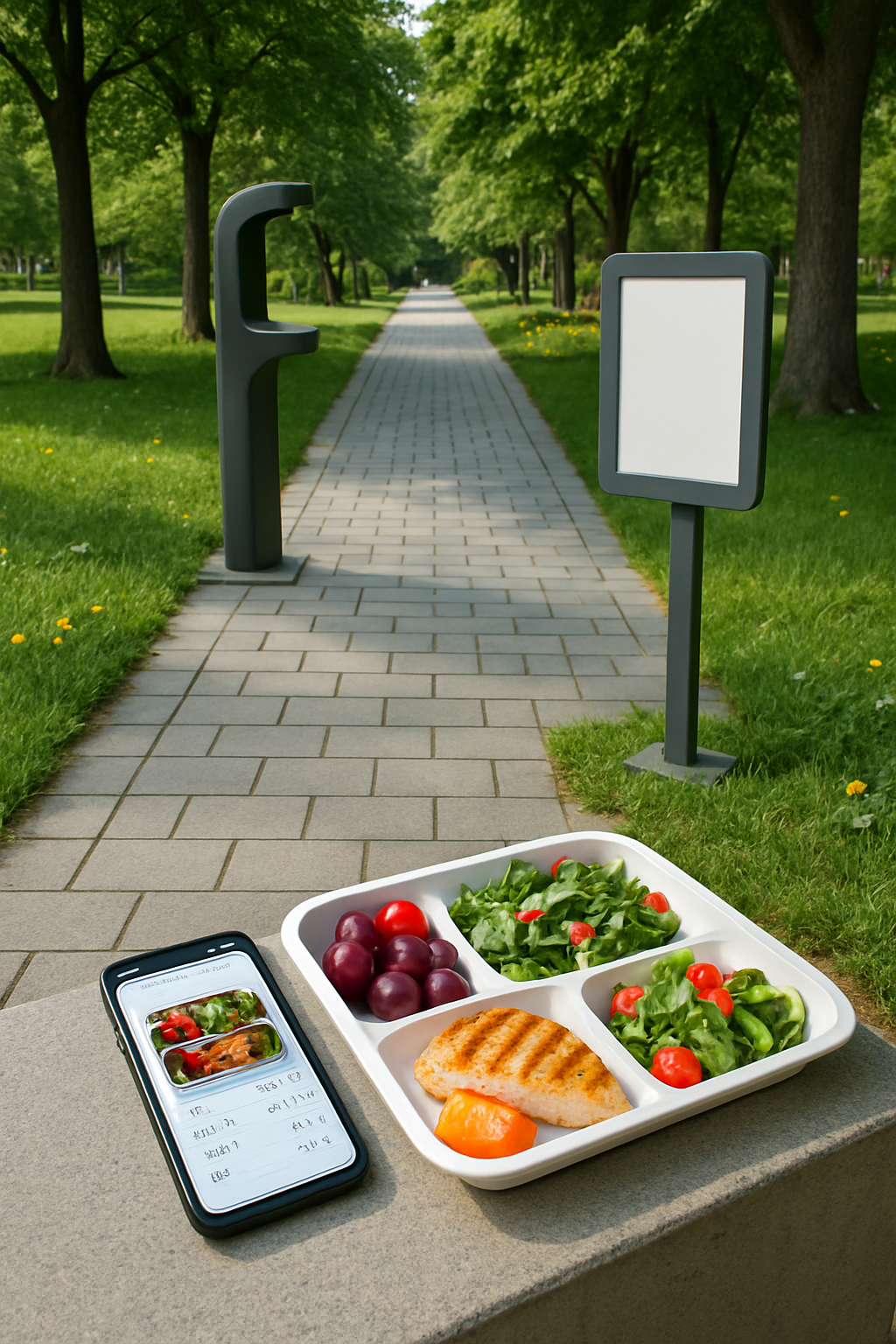
It’s a revolutionary app that makes nutrition tracking effortless. Instead of typing in every ingredient, you simply snap a photo of your meal. Our advanced AI analyzes the image and provides a detailed breakdown of calories, protein, carbs, and fats. It's like having a nutritionist in your pocket.
Connecting the Dots for Powerful Motivation
By combining your daily walks with SnapEat AI, you get a clear, visual picture of your energy balance. You can see the calories burned on your walk and instantly understand how your food choices contribute to your daily goals. This powerful feedback loop makes the connection between diet and exercise tangible and highly motivating. Using a food tracker app for weight loss has never been this simple or insightful.
Your 7-Day Action Plan: Walking and Snapping to a Healthier You
Let's put it all together. Here’s a simple, step-by-step guide for your first week.
- Day 1-3: Build the Foundation. Go for a 20-minute walk each day. Use SnapEat AI to snap photos of every meal and snack. Don't judge or restrict—just observe your current baseline.
- Day 4-5: Make a Small Tweak. Increase your walk to 25 minutes. Review your SnapEat logs. Can you identify one simple swap? Maybe exchange a sugary drink for water or add a side of vegetables to your dinner.
- Day 6-7: Add Purpose. Aim for a 30-minute walk. Try to incorporate 5 minutes of brisk walking. After your walk, be intentional about having a protein-rich snack or meal and proudly snap it with SnapEat.
- End of Week Reflection: Look at your progress. You’ve successfully walked and tracked your food for a whole week. You’ve taken the most important steps on your journey to building healthier habits.
Frequently Asked Questions (FAQ)
How much walking is needed to lose weight?
For weight loss, aim for at least 30-45 minutes of brisk walking most days of the week. This, combined with a balanced diet tracked in an app like SnapEat AI to ensure a slight calorie deficit, is a highly effective strategy.
Can you lose belly fat by walking?
Yes. While you can't spot-reduce fat, walking is excellent for reducing overall body fat, including visceral belly fat. Consistent brisk walking, especially combined with smart nutrition, helps create the calorie deficit needed to lose fat all over.
Is walking enough exercise?
For many people, yes. Walking improves cardiovascular health, aids in weight management, and boosts mood. For a more comprehensive fitness plan, you can complement walking with 2-3 days of strength training per week.
Conclusion: Keep Walking, Keep Snapping, Keep Winning
The path to a healthier life doesn’t require a gym membership or an extreme diet. It begins with a simple commitment to move more and eat smarter. Walking is your foundational tool—powerful, sustainable, and healing. SnapEat AI is your modern companion, making nutrition simple, insightful, and motivating.
Embrace the philosophy: Keep Walking. Take that first step out the door. Keep Snapping. Take that first photo of your meal with the SnapEat AI app. Your journey towards a healthier, more vibrant you starts right now.