


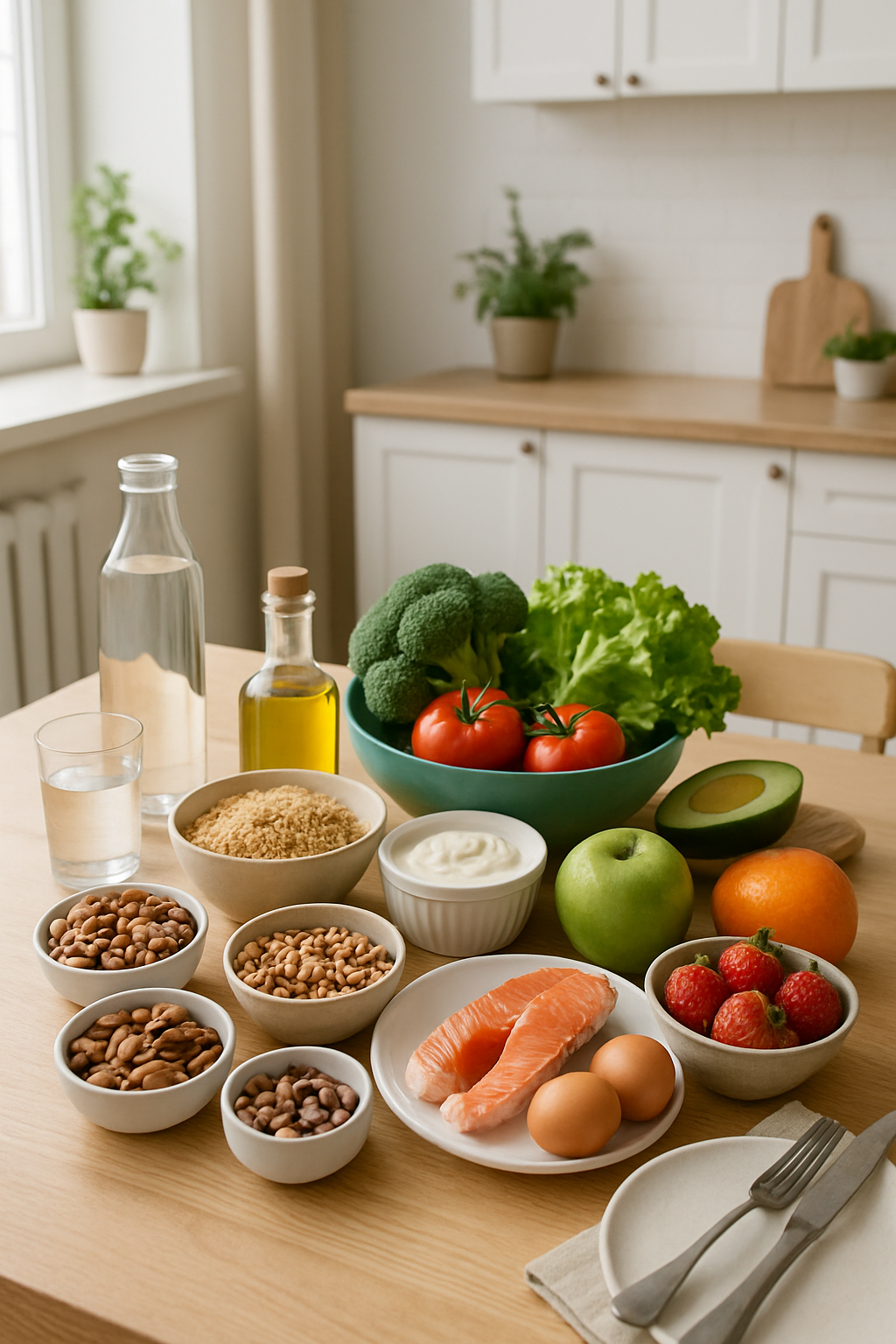
How to Achieve Sustainable Weight Loss
1. Prioritize Hydration
Proper hydration is fundamental to good health. Your body can survive for weeks without food but only a few days without water. It's a simple yet potent strategy, as studies show that boosting your daily water intake can significantly aid in weight management. Begin your day with a large glass of water before any other food or drink, and keep sipping throughout the day. A great tip is to always have a water bottle visible—what's out of sight is often out of mind! You can even log your water intake in SnapEat AI to track your hydration goals.
2. Don't Skip Breakfast
Starting your day with a balanced breakfast has been proven to encourage healthier food choices later and supports a stable metabolism and blood sugar levels. Both are crucial for effective weight loss. Be mindful of your choices; opt for complex carbohydrates and ensure you include a source of protein, like an egg or Greek yogurt. Snap a picture with SnapEat AI to instantly see the nutritional breakdown and start your day informed.
3. Delay Your Morning Coffee
Consuming coffee on an empty stomach right after waking can lead to a surge in cortisol (your stress hormone) and blood sugar. This can disrupt your energy and metabolism. However, enjoying a cup of black coffee after your breakfast can help moderate glucose production, which may result in the formation of fewer fat cells.
4. Include Protein with Every Meal
Protein from sources like eggs, meat, dairy, nuts, and legumes takes longer for your body to convert into glucose compared to simple carbs like white bread or pasta. Eating protein with every meal helps maintain steady blood sugar, increases feelings of fullness, and curbs sugar cravings. This makes you less likely to overeat, supporting your weight loss journey. Use SnapEat AI to ensure you're hitting your protein targets for each meal.
5. Practice Mindful Eating
Chewing is the first stage of digestion, yet we often rush through meals, especially when distracted. When you don't chew thoroughly, you put more pressure on your digestive system, which can cause bloating. It also means you're more likely to eat too much because your brain doesn't have time to receive fullness signals. Aim to eat in a calm environment, free from distractions, and take the time to truly enjoy your food.
6. Embrace Healthy Fats
While fats are more calorie-dense than proteins or carbs, incorporating healthy fats into your diet can help reduce sugar cravings and provide greater satisfaction, promoting healthy weight management. Good sources include nuts, seeds, oily fish, olive oil, and avocados. Let SnapEat AI help you identify and track these beneficial fats in your diet.
7. Use a Knife and Fork
Eating with utensils, rather than your hands, naturally slows you down. You also tend to eat less because you must focus more on the actions of cutting and chewing. A great habit is to put your cutlery down between bites. This helps you pause and recognize when you are starting to feel full, rather than preparing the next bite while still chewing.
8. Avoid Eating at Your Desk or in Front of the TV
Even if you're a great multitasker, your brain can't fully focus on work emails or a TV show and your meal simultaneously. Distracted eating often leads to overeating or feeling hungry again shortly after, as your brain misses the crucial signals of satiety.
9. Don't Miss Meals
It’s a common misconception that eating less by skipping meals leads to weight loss. In reality, it often results in overeating at the next meal. When your blood sugar drops too low, you become 'hangry,' making you so famished that you're prone to overindulging when you finally eat. Track your meals with SnapEat AI to maintain a consistent eating schedule.
10. Walk After You Eat
A brisk 30-minute walk shortly after lunch or dinner can lead to more significant weight loss for some individuals compared to walking an hour after finishing a meal. It's a simple way to boost your metabolism and aid digestion.
11. Implement a 12-Hour Fast
Giving your digestive system a break is beneficial for your health and weight. Aim for a natural 12-hour fasting window between your last meal of the day and your first meal of the next. For instance, if you finish dinner at 7:30 PM, try to have breakfast no earlier than 7:30 AM.
12. Prioritize Whole Foods
Even with a hectic schedule, choosing whole foods over processed or ready-made options is a powerful strategy for weight loss. Packaged foods are often lower in fiber and nutrients but higher in calories, salt, and sugar, which can trigger you to eat more throughout the day.
13. Reduce Artificial Sweeteners
Be wary of 'no added sugar' labels, as these products often contain artificial sweeteners. Research suggests that these sweeteners can keep your sweet cravings alive, disrupt hunger signals, and may even lead you to consume more food overall.
14. Ask Yourself 'Why' You're Eating
When feeling tired, stressed, or sad, it's common to use food for comfort, even when not truly hungry. This often occurs in the evening. If you find yourself reaching for a snack after dinner, pause and question your motive. A non-food alternative like a warm bath, an early night, or a call with a friend might be what you really need.
15. Practice Daily Meditation
Meditation offers several benefits for weight loss. A daily practice can help lower stress and anxiety, improving your coping mechanisms so you don't turn to food for comfort. It can also enhance self-awareness, helping you calmly recognize and address unhelpful habits.
16. Fill Up on Fiber
Fiber is your friend for feeling full. Including more fiber-rich foods like fruits, vegetables, whole grains, beans, and lentils in your diet increases satiety. Feeling full for longer helps you naturally eat less throughout the day. SnapEat AI can help you track your fiber intake to ensure you're getting enough.
17. Use Smaller Dishware
Portion control is a major hurdle in weight management. Using smaller plates and bowls is a simple psychological trick to naturally reduce your portion sizes—just be sure not to go back for multiple servings. Remember, a bigger plate often leads to a bigger meal!
18. Limit or Avoid Alcohol
Alcoholic beverages contain 'empty calories,' meaning they offer no nutritional value and can easily undermine your weight loss efforts. Furthermore, alcohol alters how your body burns fat, as your system prioritizes metabolizing the alcohol first. This can slow down your progress.
19. Digitize Your Food Diary with AI
Starting your weight loss journey with a food diary is incredibly effective. SnapEat AI revolutionizes this process. Our smart AI coach allows you to simply snap a photo of your meal to instantly recognize the food and log its nutritional information. This effortless tracking helps you understand your eating patterns, identify areas for improvement, and see where you can make easy adjustments like reducing portion sizes or adding healthier options.
20. Increase Your Daily Movement
The great thing about exercise for weight loss is that you don't need to train for a marathon. Simply moving more in your daily life boosts your metabolism, enhances motivation, and makes you feel great. Any movement releases endorphins, which improve your mood and burn extra calories. Think walking, taking the stairs, gardening, or even vigorous housework.
21. Build Lean Muscle
Muscle is more metabolically active than fat, meaning it burns more calories even at rest. You can build muscle through bodyweight exercises like push-ups and squats, or by lifting weights. Aim to incorporate two or three resistance training sessions into your weekly routine.
22. Avoid Binge-Watching TV
Being sedentary for extended periods, such as binge-watching a new series, is linked to weight gain, especially if you tend to snack while you watch. Try to get up and move between episodes, or limit yourself to just one or two at a time.
23. Manage Your Stress Effectively
Stress impacts you both mentally and physically. When you're stressed, your body releases cortisol, a hormone that affects blood glucose levels and can lead to weight gain, particularly around the abdomen. Find stress-management techniques that work for you, such as yoga, deep breathing, or spending time in nature.
24. Never Grocery Shop on an Empty Stomach
Shopping for food when you're hungry is a recipe for disaster. You're far more likely to be tempted by high-carb, processed foods and make impulse buys that don't align with your health goals. Always have a healthy snack before you go.
25. Rethink the Scale
Weighing yourself too frequently can be counterproductive. Your weight naturally fluctuates daily due to factors like hydration and your menstrual cycle. Seeing a number you don't like can lead to demotivation or unhealthy behaviors like skipping meals. Instead of daily weigh-ins, consider checking once a week or every other week.
26. Track Progress with Photos and Measurements
Observing changes in your body is a much healthier and more motivating way to track progress. When you start, take body measurements (chest, waist, hips, thighs) and full-length photos. Repeat this every 4-6 weeks. This method captures changes like muscle gain, which the scale can't show, giving you a more accurate picture of your success. Log these milestones in the SnapEat AI app to visualize your transformation.
27. Abandon 'Good' vs. 'Bad' Food Labels
Labeling foods like cake or fries as 'bad' often increases your desire for them. This creates a cycle of craving and restriction that can lead to bingeing. Instead, adopt a balanced approach. Focus on nourishing your body with healthy choices 80% of the time, and allow yourself the occasional treat without guilt. This fosters a healthier, more sustainable relationship with food.
28. Drink Water 30 Minutes Before Meals
A 2010 study revealed that participants on a calorie-restricted diet who drank water 30 minutes before their meals lost 44% more weight over 12 weeks than those who only followed the diet. It's a simple trick to help you feel fuller and eat less.
29. Always Take the Stairs
It's easy to opt for the elevator, but choosing the stairs is a simple way to burn more calories, strengthen your leg muscles, and boost your metabolism. It’s an easy win for your daily activity goals.
30. Find Your Inspiration
Motivation can come from many places. Watch an inspiring documentary, create a vision board with images from magazines or Pinterest, or follow fitness influencers who resonate with you. When we feel inspired, we are more likely to take positive action.
31. Avoid 'Naked Carbs'
This means you should never eat carbohydrates by themselves. Always pair them with a source of healthy fat or protein. This combination slows down the absorption of sugar, keeping you fuller for longer and preventing blood sugar spikes that lead to cravings.
32. Focus on Nutrient Density, Not Just Calories
While calorie counting can be a tool, it doesn't tell the whole story. The nutritional quality of food is just as important. For instance, 100 calories of broccoli provides fiber, vitamins, and minerals that keep you full, whereas 100 calories of cookies will likely leave you hungry and wanting more. SnapEat AI not only counts calories but also gives you a breakdown of macronutrients and micronutrients, helping you make smarter choices.
33. Decline the Bread Basket
When dining out, politely say no to the pre-meal bread basket. It’s easy to mindlessly graze on refined carbs while waiting for your food, adding unnecessary calories before your main course even arrives.
34. Ditch Sugary Drinks
Sodas and other sugary beverages are loaded with sugar and empty calories. Swap them for sparkling water with a slice of lemon or lime, or simply stick to plain water. Even diet drinks, with their artificial sweeteners, can interfere with your body's hunger signals and lead to overeating.
35. Have a Protein-Rich Afternoon Snack
The long gap between lunch and dinner often necessitates a snack. Your body and brain need fuel to stay sharp. A protein-based snack in the mid-afternoon helps stabilize blood sugar, prevents the '3 PM slump,' and keeps you from becoming overly hungry before dinner. Ideas include a handful of almonds, a hard-boiled egg, or a Greek yogurt.
36. Shop in Single Servings
Family-sized packs might seem like a good deal, but they often lead to overconsumption. When possible, buy single-serving items to avoid the temptation of finishing a large bag. This is especially helpful if you live alone or are the only one in your household focused on portion control.
37. Get Quality Sleep
A lack of quality sleep disrupts your hormones, including cortisol and those that regulate hunger (ghrelin and leptin). Waking up tired makes you more likely to crave high-carb, sugary foods for a quick energy boost, which can sabotage your weight loss goals.
38. Consider a Vitamin D Supplement
Known as the 'sunshine vitamin,' many people are deficient in Vitamin D, especially in winter or if they spend a lot of time indoors. Low Vitamin D levels have been linked to an increased risk of obesity. Research indicates that supplementing with Vitamin D may help reduce waist circumference and support a healthier weight.
39. Cut Down on Added Sugar
Most people consume far too much added sugar, which provides empty calories with no nutritional benefit. Greatly reducing your intake of 'free' sugars—like those in honey, syrups, and processed foods—is a key step for weight loss. Focus on enjoying the natural sugars found in whole fruits, which also provide essential fiber and vitamins.
40. Incorporate Omega-3 Fatty Acids
Omega-3 is an essential fatty acid your body can't produce. You must get it from food or supplements. It's found in oily fish like salmon and mackerel, as well as plant sources like chia seeds, flaxseeds, and walnuts. Including omega-3 in your diet has been shown to improve metabolism and help reduce weight gain.
41. Eat More Soup
Soups can be both incredibly filling and packed with nutrients. Because they are liquid-based and often high in fiber from vegetables, they can aid weight loss by being lower in calories than many solid meals. Just be mindful of creamy soups or excessive bread on the side.
42. Start Your Meal with a Salad
Eating a small salad before your main course can help you feel fuller, leading you to eat less of the more calorie-dense part of your meal. The combination of fiber and high water content in the vegetables is very effective. Use a simple olive oil dressing and avoid sugary, store-bought options.
43. Try an Open-Faced Sandwich
Sandwiches are convenient but often contain more bread than filling. These excess carbs can disrupt blood sugar and lead to more eating later. A simple solution is an open-faced sandwich. Just remove the top slice of bread and eat it with a knife and fork to slow down and savor your meal.
44. Swap White Bread for Rye
Rye bread is significantly higher in fiber than white bread. Studies have shown its benefits for weight management, including increased satiety and better blood glucose control. These factors can help you reduce your overall daily calorie intake.
45. Eat Probiotic-Rich Foods
Foods rich in beneficial live bacteria, known as probiotics, support a healthy gut microbiome. While direct links to weight loss are still being studied, we know that an imbalanced gut can negatively affect blood sugar control, mood, and metabolism—all of which are crucial for weight management. Include foods like yogurt, kefir, sauerkraut, and kimchi in your diet.
46. Consume More Resistant Starch
Resistant starch is a type of fiber formed when starchy foods like potatoes, pasta, and rice are cooked and then cooled. This starch acts as a 'prebiotic,' feeding your good gut bacteria. A diet rich in resistant starch has been linked to better blood sugar regulation, greater satiety, and a healthier body composition.
47. Plan Your Meals Ahead
One of the biggest obstacles to weight management is a lack of planning. When you leave meals to chance, you're more likely to skip them, grab unhealthy options, or order takeout. This is where SnapEat AI shines as your all-in-one coach. Use the app to plan your meals, get recipe ideas, and create shopping lists, ensuring you're always prepared to make healthy choices that align with your goals.
48. Avoid Store-Bought Smoothies
While they seem healthy, many commercially prepared smoothies are loaded with sugar. The blending process breaks down the fruit's fiber, releasing 'free sugars' similar to those in honey or syrup. If you love smoothies, make them at home where you can control the ingredients, focusing on vegetables, a protein source, and healthy fats.
49. Skip the Condiments
A squirt of ketchup or a dollop of mayo might seem harmless, but these condiments are often high in hidden sugars, salt, and unhealthy fats. Often, we add them out of habit. Try using fresh herbs, spices, or a squeeze of lemon to flavor your food instead.
50. Don't Overtrain
It's natural to think that more exercise is always better, but overdoing it, especially with high-intensity cardio, can increase your cortisol levels. If you're already stressed, this can be counterproductive. Elevated cortisol can increase appetite and lead to overeating. Ensure your fitness routine is balanced with adequate rest and recovery time to support, not hinder, your goals.