


Understanding Safe vs. Fast Weight Loss
Before diving into the 'how,' it's crucial to redefine 'fast.' The dramatic weight drop in the first week of any new diet is mostly water weight, not body fat. This occurs as your body uses stored carbs (glycogen), which retain water. For true, sustainable fat loss, a rate of 1 to 2 pounds (0.5 to 1 kg) per week is the safe and effective gold standard. This pace ensures you're losing primarily fat while preserving precious, metabolism-boosting muscle. Pushing harder can backfire, leading to muscle loss, nutrient deficiencies, and a slower metabolism—making long-term success much harder.
The Core Principle: Mastering a Smart Caloric Deficit
The unbreakable rule of weight loss is the caloric deficit: you must burn more calories than you consume. The secret is creating a smart deficit, not a drastic one that leaves you hungry and weak. A deficit of 500-750 calories daily is the sweet spot for consistent fat loss without deprivation.
- Calculate Your TDEE: Use an online TDEE (Total Daily Energy Expenditure) calculator. This estimates your daily calorie burn based on your age, sex, weight, height, and activity level.
- Set Your Target: Subtract 500 from your TDEE number. For instance, if your TDEE is 2,200 calories, your daily weight loss target should be around 1,700 calories.
What to Eat to Lose Weight Fast: A Nutritionist's Guide
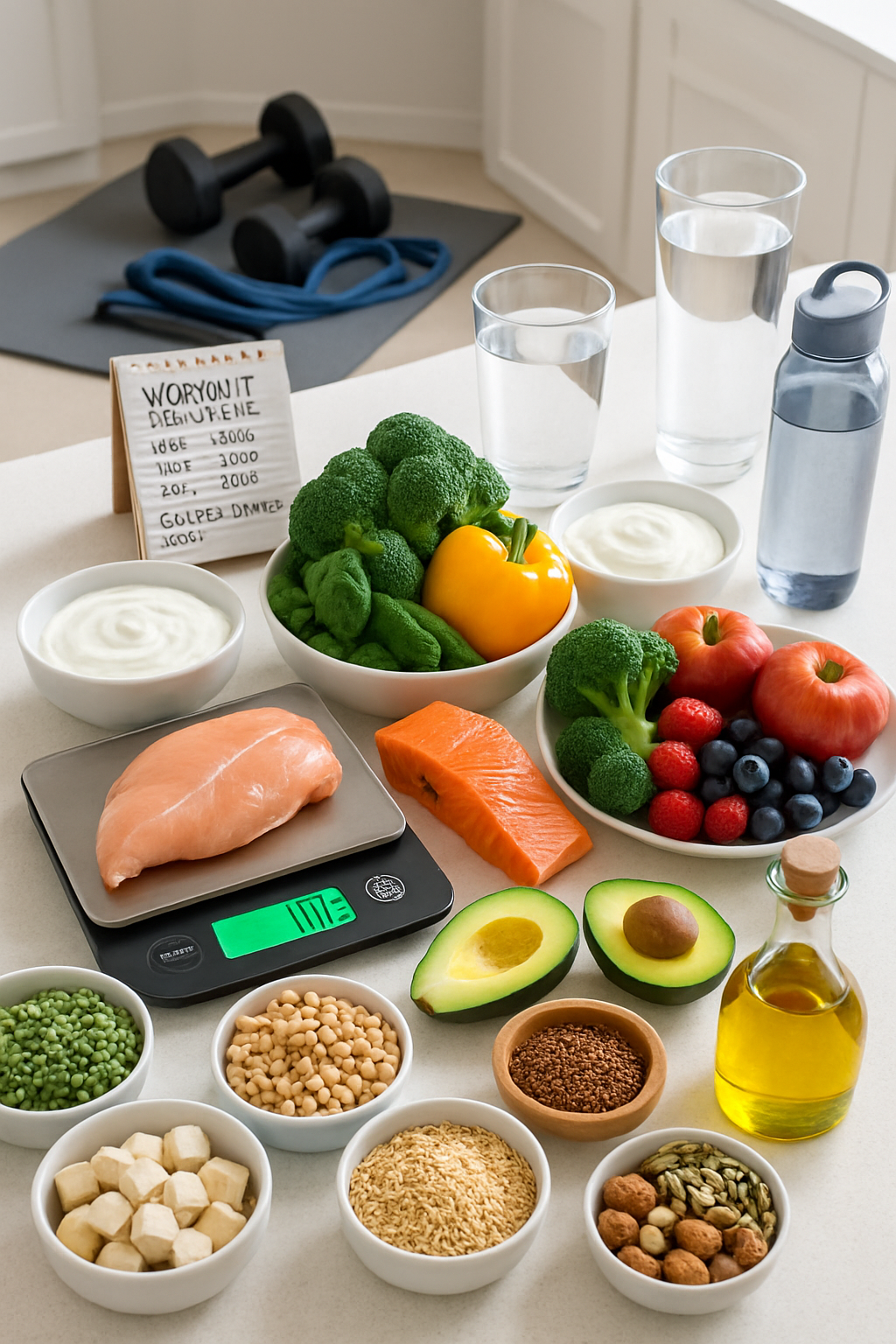
The quality of your calories is paramount. Nutrient-dense foods keep you full and energized, making the deficit feel effortless. Here’s how to build the perfect plate for rapid, healthy weight loss.
1. Prioritize Protein for Satiety and Muscle Preservation
Protein is your most powerful ally. It crushes cravings by keeping you full, boosts your metabolism through the thermic effect of food, and is vital for preserving muscle mass. Aim for 1.2-1.6 grams of protein per kilogram of your body weight.
- Top Sources: Lean chicken/turkey, fish (salmon, tuna), eggs, Greek yogurt, cottage cheese, lentils, tofu.
2. Fill Up on Fiber for Fullness and Gut Health
Fiber-rich foods are low in calories but high in volume. They slow digestion, stabilize blood sugar, and keep you satisfied for hours.
- Top Sources: Non-starchy vegetables (broccoli, spinach, bell peppers), fruits (berries, apples), beans, oats, and quinoa.
3. Incorporate Healthy Fats for Hormonal Balance
Don't fear fats! Healthy fats are crucial for hormone production and vitamin absorption. They also contribute significantly to feeling full.
- Top Sources: Avocado, nuts, seeds, and olive oil. (Just watch portion sizes as they are calorie-dense).
4. Hydrate to Boost Metabolism
Water is a natural appetite suppressant and metabolic booster. Thirst is often mistaken for hunger. Aim for 8-10 glasses (around 2-3 liters) daily. Pro Tip: Drink a large glass of water before each meal to help control portion sizes.
5. Foods to Limit for Accelerated Progress
To see results faster, significantly reduce or eliminate sugary drinks (soda, juice), refined carbs (white bread, pastries), and ultra-processed foods. These 'empty calories' spike blood sugar, leading to more cravings and fat storage.
The Best Exercise for Fast Weight Loss
While nutrition is king, targeted exercise is the queen that accelerates your results and sculpts your body.
1. HIIT (High-Intensity Interval Training)
HIIT is the most efficient form of cardio for fat burning. It involves short, all-out bursts of effort followed by brief recovery. This method burns maximum calories in minimum time and creates an 'afterburn effect,' keeping your metabolism elevated for hours.
- Sample Workout: 2-3 sessions per week. Try 30 seconds of sprinting followed by 60 seconds of walking, repeated for 15-20 minutes.
2. Strength Training: Your Long-Term Secret Weapon
Building muscle is the key to a faster resting metabolism. Strength training signals your body to burn fat for fuel while preserving (or building) lean muscle. This helps you avoid the 'skinny-fat' look and creates a toned, strong physique.
- What to Do: Aim for 2-3 full-body sessions per week, focusing on compound movements like squats, deadlifts, push-ups, and rows.
3. The Power of NEAT (Non-Exercise Activity Thermogenesis)
NEAT is the energy you burn from all daily movements outside of formal exercise. It's a game-changer. Increase your NEAT by taking the stairs, parking further away, pacing while on the phone, or simply standing more. It all adds up!
Critical Lifestyle Factors: Sleep and Stress
You can have a perfect plan, but if your lifestyle is out of whack, your progress will stall. These two factors are non-negotiable.
- Prioritize Sleep: Getting less than 7-8 hours of sleep per night disrupts your hunger hormones. It boosts ghrelin (the 'I'm hungry' hormone) and tanks leptin (the 'I'm full' hormone). Poor sleep also elevates cortisol, a stress hormone linked directly to belly fat storage.
- Manage Stress: Chronic stress keeps cortisol levels high, encouraging fat storage and triggering cravings for high-sugar, high-fat foods. Integrate stress-management techniques daily: a 10-minute walk, meditation, deep breathing exercises, or a relaxing hobby.
Your Action Plan for Fast, Safe, and Lasting Weight Loss
Losing weight quickly and safely isn't a fantasy; it's a science. Follow this intelligent, 5-step action plan for results you can see and maintain.
- Set a Realistic Goal: Aim for 1-2 pounds of fat loss per week.
- Create a Smart 500-Calorie Deficit: Eat 500 calories below your TDEE number.
- Build Every Meal Around Protein and Fiber: Make these nutrient powerhouses the stars of your plate.
- Move with Purpose: Combine 2-3 HIIT sessions with 2-3 strength training sessions weekly, and maximize your daily NEAT.
- Master Your Lifestyle: Get 7-9 hours of quality sleep and actively manage your daily stress.
By adopting these pillars, you're not just losing weight fast—you're building the foundation for a healthier, leaner, and more energetic life. This is the fastest way because it's the way that lasts.