


Understanding the Pace of Weight Loss
Losing weight is a common goal, but the methods to achieve it vary greatly. A critical distinction lies between rapid weight loss and a sustainable, gradual approach. Rapid weight loss is defined as shedding more than 2 pounds (about 1 kg) per week over an extended period. This is typically achieved by drastically reducing calorie intake.
Alternative Terms for Rapid Dieting
This approach is known by several names, including: Very Low-Calorie Diet (VLCD), Low-Calorie Diet (LCD), crash dieting, intermittent fasting, and time-restricted eating. While the appeal of quick results is strong, it's crucial to understand how these diets work and their potential consequences.
How Rapid Weight Loss Diets Function
These diets are often considered by individuals with obesity seeking fast results, but they are best undertaken with professional supervision. Such plans are intended for short-term use, typically not exceeding a few weeks, because of the physical stress they impose.
Individuals who lose weight rapidly are significantly more prone to regaining it compared to those who adopt gradual changes. The body's hormonal response to drastic weight loss is intense, often slowing metabolism and increasing appetite once the diet is relaxed, leading to a rebound effect. A smarter approach involves consistent, mindful tracking, which is where a tool like SnapEat AI becomes invaluable for building long-term habits.
Very Low-Calorie Diet (VLCD)
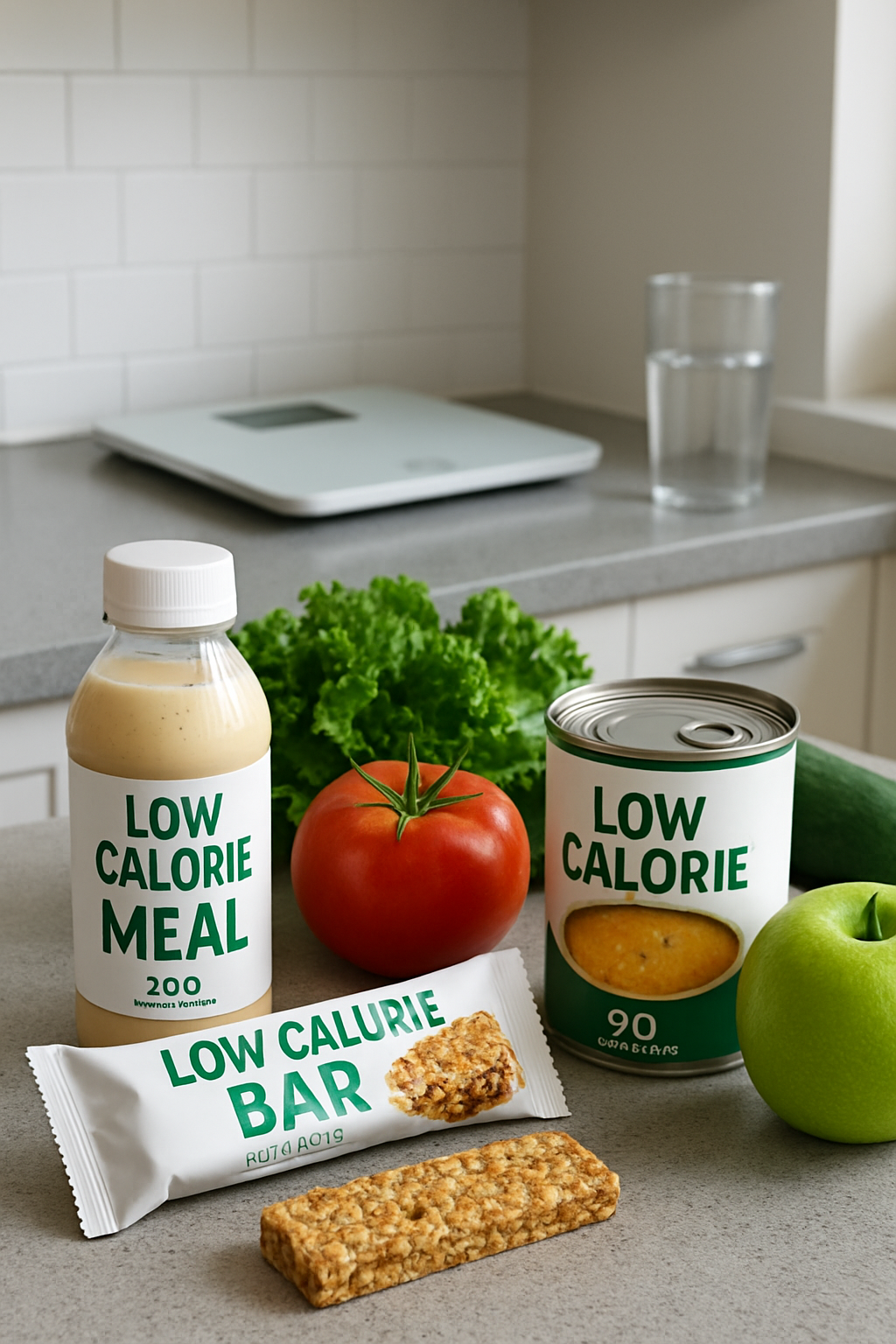
A VLCD restricts intake to as little as 800 calories daily, potentially leading to a loss of 3 to 5 pounds per week. These diets often rely on meal replacements like shakes, soups, or bars to ensure essential nutrient intake. VLCDs are generally reserved for adults with obesity under medical guidance, often as a preparatory step before bariatric surgery, and are not recommended for more than 12 weeks.
Low-Calorie Diet (LCD)
An LCD is a less extreme option, typically allowing 1,000 to 1,200 calories for women and 1,200 to 1,600 for men. While weight loss is slower than on a VLCD, it can be equally effective over time and is often considered a safer choice. LCDs may combine meal replacements with regular foods, making them more manageable. Accurately tracking intake on an LCD is simplified with a smart calorie counter like SnapEat AI, which helps you log meals effortlessly.
Time-Restricted Eating
This popular strategy limits your daily food consumption to a specific window, such as the 16:8 method, where you eat during an 8-hour period and fast for the remaining 16. While some studies suggest it can induce rapid weight loss, the key to success lies in the quality and quantity of calories consumed during the eating window. Using SnapEat AI to recognize your meals can ensure you're staying within your goals.
Intermittent Fasting
Intermittent fasting involves alternating between periods of eating and fasting. A common method is the 5:2 plan: eating normally for five days a week and restricting calories significantly on two non-consecutive days. While effective for some, it requires discipline and careful planning to avoid nutrient deficiencies.
The Dangers of Fad Diets
Many fad diets promise rapid results by severely limiting calories or entire food groups. These are often nutritionally unbalanced and unsustainable. Once the diet ends, returning to old habits almost guarantees weight regain. A balanced, tracked approach is a safer and more effective path to long-term success.
The Role of a Smart AI Coach
For sustainable results, the focus should shift from drastic calorie cuts to building healthy habits. This is where SnapEat AI transforms your journey. Instead of navigating complex diets alone, you get an all-in-one AI coach. Simply snap a picture of your meal, and our advanced AI recognizes the food, calculates the calories, and tracks your nutrition. SnapEat AI helps you set achievable goals, monitor your progress, and provides personalized guidance to help you make smarter choices every day, fostering a healthy relationship with food.
Potential Health Benefits and Risks
For individuals with health issues related to obesity, significant weight loss can improve conditions like diabetes, high cholesterol, and hypertension. However, rapid weight loss without supervision carries risks.
Possible Health Concerns
Losing weight too quickly can lead to the loss of muscle, water, and bone density, not just fat. It's not a safe approach for most people and can trigger side effects like gallstones, fatigue, gout, and digestive issues. The high probability of rapid regain can create a frustrating cycle. Therefore, it is always recommended to aim for a gradual loss of 0.5 to 2 pounds per week. Before starting any diet, especially if you have an existing health condition, consult with a healthcare provider. A tool like SnapEat AI can then be used to support and track the plan your provider recommends, ensuring you stay on a safe and effective path.