


What Defines Rapid Weight Loss?
A rapid weight loss plan is an approach where an individual loses more than two pounds (approximately 1 kilogram) per week over several weeks. This accelerated pace is typically achieved by maintaining a very low-calorie intake. While potentially effective for short-term goals, this type of diet requires careful monitoring and a structured approach to ensure it's done safely and effectively.
Popular Strategies for Accelerated Weight Loss
Many people with significant weight loss goals are drawn to these methods for their quick results. However, it's crucial to use a smart tool to manage them. These strategies should be viewed as short-term solutions, and using an AI coach like SnapEat AI can provide the necessary tracking and oversight.
Very Low-Calorie and Low-Calorie Diets (VLCD & LCD)
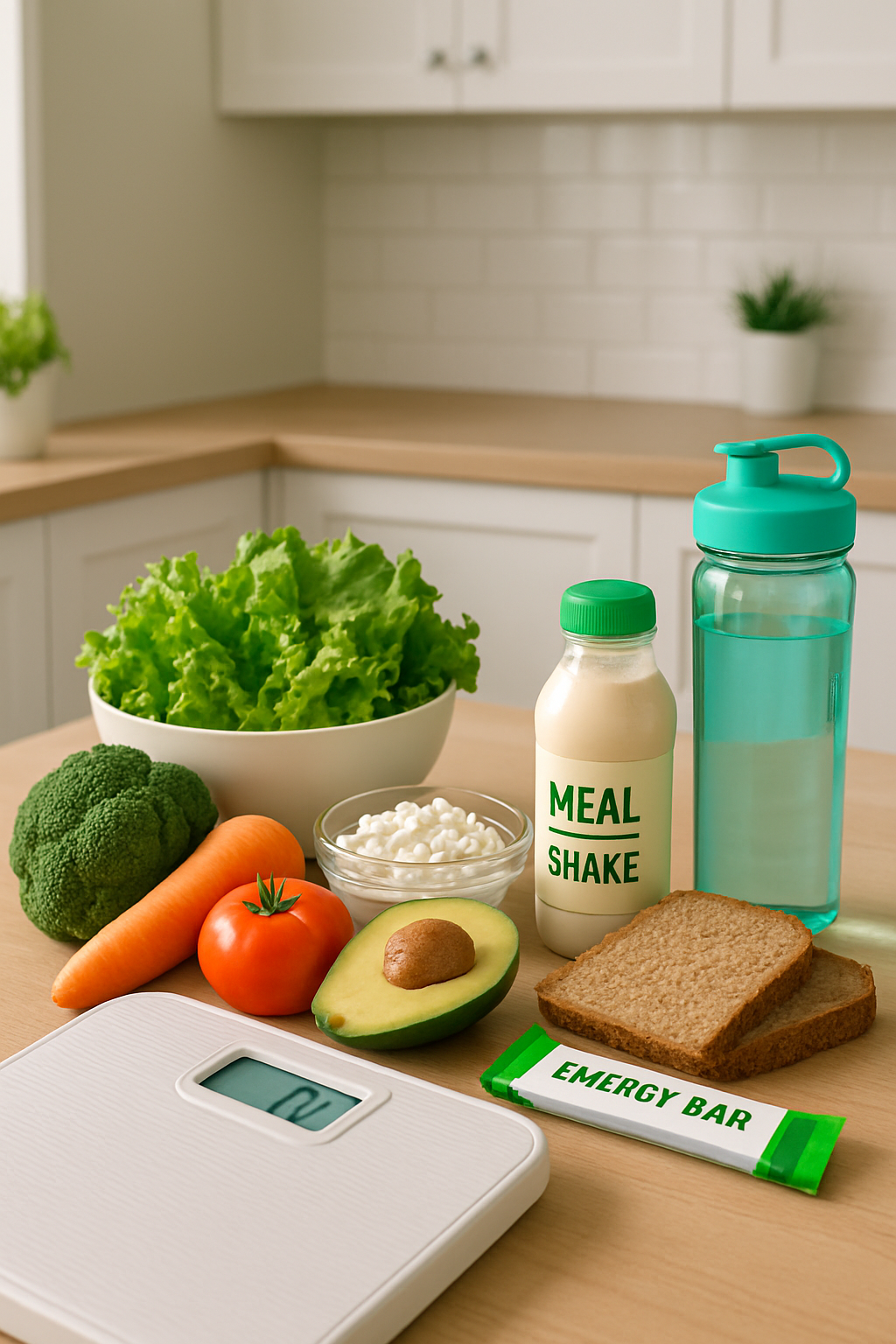
A VLCD might restrict daily intake to as little as 800 calories, leading to a loss of 3 to 5 pounds weekly. These often utilize meal replacements like shakes or bars to ensure essential nutrient intake. An LCD is slightly less restrictive, allowing 1,000-1,200 calories for women and 1,200-1,600 for men. With SnapEat AI, you can precisely track your intake for either diet. Simply snap a photo of your meal, and our AI will recognize the food, calculate calories, and monitor your nutrient levels to help you stay on track safely.
Time-Restricted Eating and Intermittent Fasting
Time-restricted eating, such as the popular 16:8 method, limits your eating to a specific window each day. Intermittent fasting can involve more complex schedules, like the 5:2 plan (two days of very low-calorie intake per week). Both methods can induce rapid weight loss. SnapEat AI makes managing these schedules simple. Use it as your smart calorie counter to ensure the meals within your eating window are nutrient-dense and aligned with your goals, taking the guesswork out of fasting.
Navigating the Risks with Your AI Coach
Individuals who lose weight too quickly are far more prone to regaining it over time compared to those who adopt a slower, more sustainable pace. The body perceives rapid weight loss as a stressor, triggering a strong hormonal response that slows metabolism and increases the likelihood of weight regain once the diet is relaxed. This is where SnapEat AI truly shines. It's more than a tracker; it's your AI coach, helping you build lasting habits. By analyzing your progress, it offers personalized guidance to help you transition from a rapid loss phase to a balanced lifestyle, mitigating the risk of rebound weight gain.
Avoiding the Pitfalls of Fad Diets
Many fad diets promise fast results by severely limiting calories, but they are often unsustainable and can be unsafe. Once the diet ends, returning to old eating habits almost guarantees weight regain. SnapEat AI promotes a more intelligent approach. It helps you focus on balanced nutrition and sustainable change, moving you away from risky fads and toward long-term health. For most, a steady loss of 0.5 to 1 pound per week is a safer and more durable strategy.
The Role of Physical Activity
Rapid weight loss is primarily driven by calorie reduction rather than exercise. It's important to consult your healthcare provider about the appropriate level of physical activity while on a low-calorie diet. They might suggest waiting until you transition to a more sustainable, long-term eating plan before beginning a new exercise regimen. When you are ready, SnapEat AI can sync with your health apps to provide a holistic view of your progress, balancing calories in with calories out.
Potential Health Benefits
For individuals whose health is compromised by obesity, significant and rapid weight loss can offer substantial benefits. It can lead to marked improvements in conditions such as diabetes, high cholesterol, and high blood pressure.
Is This Approach Right for You?
Always consult a healthcare professional before starting a rapid weight loss diet. Losing more than a couple of pounds per week can pose risks, including the loss of muscle mass, water, and bone density. Potential side effects can include gallstones, fatigue, and nausea. A fast-paced diet is generally not considered safe for children, teenagers, pregnant women, or older adults unless specifically recommended and supervised by a doctor. If you have any existing health conditions, discussing your plans with a provider is essential. Use SnapEat AI as your trusted partner to implement their advice, track your progress accurately, and achieve your health goals safely.