


What is a Rapid Weight Loss Diet?
A rapid weight loss diet is an eating plan where you aim to lose more than 2 pounds (approximately 1 kilogram) per week over several weeks. Achieving this level of weight loss typically requires a significant reduction in daily calorie intake. These diets are often referred to as very low-calorie diets (VLCDs) or low-calorie diets (LCDs).
Common Terms for Rapid Weight Loss
You might encounter various names for these plans, including: Very low-calorie diet (VLCD), Low-calorie diet (LCD), Very low energy diet, Intermittent fasting, and Time-restricted eating.
How Do These Diets Work?
Rapid weight loss diets are primarily adopted by individuals with obesity who seek quick results for health-related reasons. It is crucial that these diets are followed under the supervision of a healthcare provider, as they may not be safe for everyone to undertake alone. Using a smart tool like SnapEat AI can be instrumental in this process, helping you accurately track your limited calorie intake and ensuring you receive proper nutrition.
These diets are intended for short-term use, generally lasting no more than a few weeks. It's important to note that individuals who lose weight rapidly are more prone to regaining it over time compared to those who adopt gradual lifestyle changes. The body experiences significant stress during rapid weight loss, triggering strong hormonal responses that can slow metabolism and encourage weight regain once the diet is relaxed. SnapEat AI helps by not only tracking during the diet but also assisting in the transition to a more sustainable, long-term eating plan to maintain your results.
Very Low-Calorie Diet (VLCD)
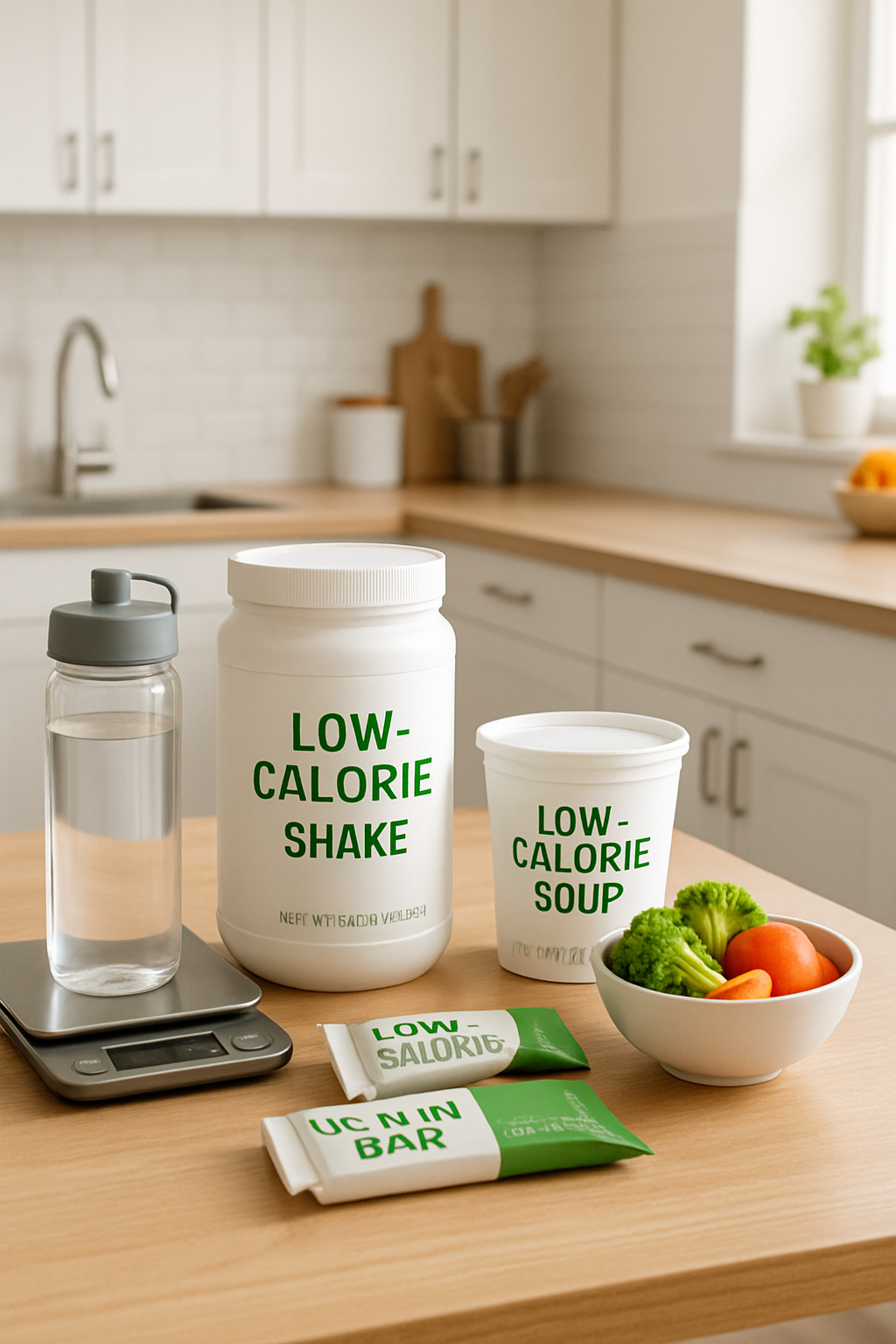
In a VLCD, daily intake can be as low as 800 calories, potentially leading to a weight loss of 3 to 5 pounds (1.5 to 2 kg) per week. VLCDs often rely on meal replacements like shakes, soups, and bars to ensure you get essential nutrients. SnapEat AI's food recognition technology makes it effortless to log these meal replacements and any other permitted foods, ensuring you stay precisely within your calorie limit.
VLCDs are typically recommended for adults with obesity who need to lose weight for medical reasons, such as before a surgery. They should only be followed with professional guidance and are generally not advised for more than 12 weeks.
Low-Calorie Diet (LCD)
An LCD is a less extreme approach, allowing around 1,000 to 1,200 calories daily for women and 1,200 to 1,600 for men. While the weight loss is slightly slower than with a VLCD, an LCD can be just as effective in the long run and is often considered a safer starting point. With SnapEat AI, managing an LCD is simple. You can easily track a combination of meal replacements and regular foods by just snapping a picture, making it easier to stick to your plan.
Time-Restricted Eating
This increasingly popular strategy involves limiting your eating to a specific window each day. A common method is the 16:8 approach, where you consume all your meals within an 8-hour period (e.g., from 11 am to 7 pm) and fast for the remaining 16 hours. SnapEat AI can help you monitor your eating window and ensure that the meals you consume are nutritionally balanced and aligned with your calorie goals for effective and safe weight loss.
Intermittent Fasting
Intermittent fasting involves alternating between periods of eating and fasting. One popular regimen is the 5:2 diet, where you eat normally for five days a week and follow a VLCD (around 500-600 calories) on the other two days. On fasting days, the precision of SnapEat AI's calorie counter becomes invaluable for staying within the strict caloric limits.
The Pitfall of Fad Diets
Many fad diets promise rapid weight loss by severely restricting calories, but they are often nutritionally unbalanced and unsustainable. Once you stop such a diet, you are very likely to regain the weight. For most people, a safer and more sustainable goal is a steady weight loss of 0.5 to 1 pound per week. SnapEat AI promotes this balanced approach by helping you build healthy, long-term habits.
The Role of Exercise
Rapid weight loss primarily depends on calorie reduction. It's essential to consult your healthcare provider about the appropriate type and amount of exercise to incorporate while on a restrictive diet. Once you get the green light, you can sync your fitness data with SnapEat AI to get a holistic view of your progress, balancing calories consumed with calories burned.
Potential Health Benefits
For individuals with health issues related to obesity, rapid weight loss under medical supervision can lead to significant improvements in conditions such as:
- Diabetes
- High cholesterol
- High blood pressure
Possible Health Concerns and Safe Practices
Losing more than 1 to 2 pounds a week is not recommended for most people without a provider's oversight, as it can lead to the loss of muscle, water, and bone density. Potential side effects include:
- Gallstones
- Gout
- Fatigue
- Constipation or Diarrhea
- Nausea
Regaining weight quickly after a diet is also a common risk. Therefore, it is vital to approach rapid weight loss with a solid plan and the right tools. SnapEat AI acts as your personal AI coach, empowering you to track your intake accurately, monitor your progress, and stay accountable. However, it is a tool to support—not replace—the advice of a healthcare professional. Always consult your provider before starting any new diet plan, especially a restrictive one. This is particularly important for teens, pregnant women, and older adults.